Hard folding tonneau covers advertise weight ratings like 400 lbs, and buyers reasonably read that as “I can stand on this.” That number describes something different: weight spread evenly across the entire closed panel, not weight concentrated under two boots. Kneel on one spot to load a cooler and you can flex or crack a cover rated well above your body weight.
This guide covers what the published ratings actually mean, which hard folding covers are worth buying, and the payload interaction that a heavy cover creates before you have loaded a single thing in the bed.
Key Takeaways
- Weight ratings like 400 lbs (BAKFlip MX4, UnderCover Flex) describe evenly distributed static load, not a single point load like a person standing or kneeling in one spot.
- Hard folding covers themselves weigh 40–150 lbs, and that weight comes directly out of your truck’s published payload capacity before you load anything.
- Static (parked) load capacity and dynamic (driving) load capacity are different numbers — forces from braking, cornering and rough roads push effective load well beyond what the cover handles safely at rest.
- Hard folding covers give the best balance of security, weather sealing and partial bed access without removing the whole cover, which is why they remain the most popular hard-cover type on the market.
What the Weight Rating Actually Means
Every published tonneau weight capacity assumes distributed load: cargo spread across the panel surface, not concentrated in a small area. Fiberglass and aluminum hard covers commonly carry ratings in the 300–500 lb range for distributed load, against roughly 15–100 lbs for soft vinyl covers, which is why hard covers get chosen for anything beyond light, soft cargo.
A person standing on a closed cover puts their full body weight through two boot-sized contact points rather than across the whole panel. That is a fundamentally different loading condition than the rating describes, and it is the single most common way a tonneau cover gets damaged — not from cargo weight, but from someone standing on it to reach something in the cab or load a roof rack.
Static capacity — the rating you see published — describes the cover parked and stationary. Dynamic load, the effective force while driving, runs higher because braking, cornering, speed bumps and washboard roads amplify the forces cargo puts on the cover. A load that sits fine parked can stress a cover more than its static rating suggests once the truck is moving.
The Covers Worth Buying
BAKFlip MX4 — Best Overall
BAK publishes a 400 lb evenly distributed weight capacity, aircraft-grade aluminum panel construction with a scratch-resistant matte black finish, a 5-year limited warranty against material and workmanship defects, and clamp-on installation requiring no cutting, trimming or drilling (TonneauCoversHub, retrieved 2026-07-29). Independent testing across water resistance and owner reviews consistently puts the MX4 at the top of this category, and the auto-latch locking system is frequently cited as the most convenient of the hard-folding designs.
Best for: buyers who want the widest dealer/installer support and the longest published warranty in the category.
UnderCover Flex — Best Warranty Trade-off, Similar Capacity
UnderCover publishes the same 400 lb evenly distributed rating as the MX4, with rigid lightweight aluminum panel construction, a gloss-black corrosion-resistant coating, and clamp-on no-drill installation. The warranty structure differs from BAK’s: UnderCover covers the structure and the hinges/seals/hardware for 3 years each from the original retail purchase, nontransferable to a subsequent owner.
Best for: buyers prioritizing panel finish and impact/abrasion resistance who are comfortable with a shorter warranty window than the MX4.
Gator EFX — Best Budget Pick
Gator’s EFX line is consistently cited as the value option in this category, performing competitively on water resistance testing against the pricier BAKFlip and UnderCover models while landing at the lower end of the typical $650–$1,500 hard-folding price range.
Best for: buyers who want genuine hard-cover security and weather sealing without paying for the premium latch and finish features.
The Payload Math Nobody Runs Before Buying
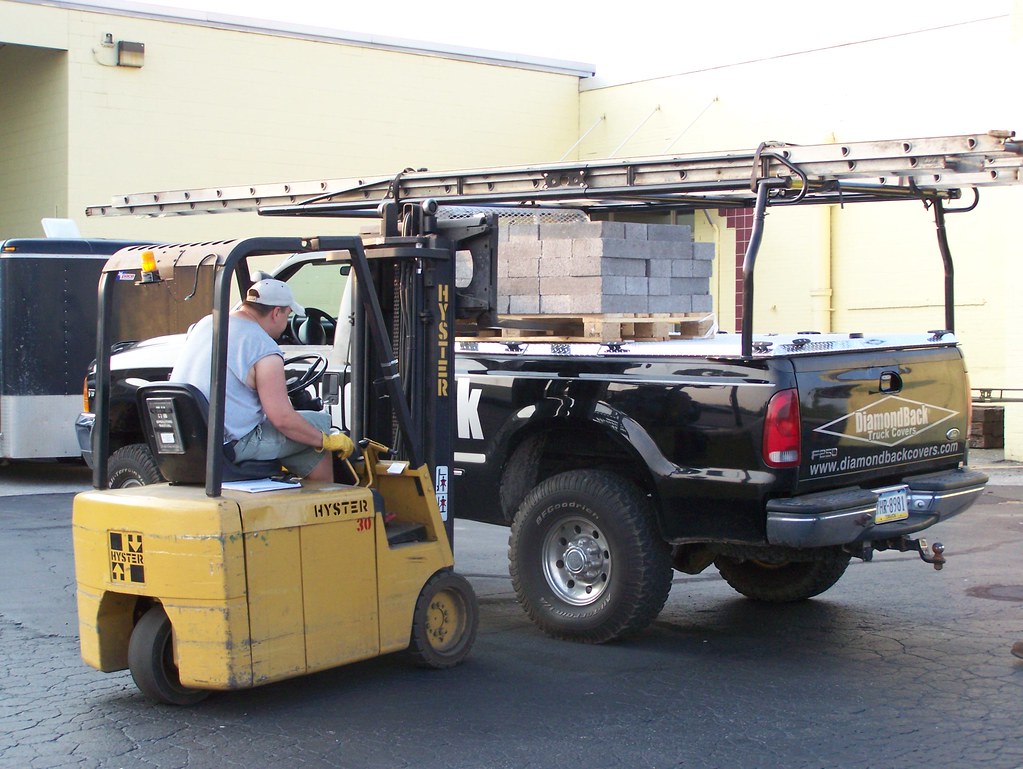
Payload capacity is GVWR minus curb weight, and every accessory added to the truck consumes payload before a single passenger or piece of cargo goes in. Hard folding covers weigh roughly 40–150 lbs depending on bed length and construction, and that weight comes straight off your published payload number.
| Item | Approx. weight | Effect |
|---|---|---|
| Published truck payload | e.g. 1,500 lb | Starting number on the door sticker |
| Hard folding tonneau cover | 40–150 lb | Subtract before loading anything |
| Passengers, fuel, other accessories | varies | Also subtracted |
| Remaining true cargo capacity | — | Often well under the door sticker number |
This matters most on trucks already close to their payload limit — work trucks carrying tools and equipment, or half-tons regularly loaded near capacity. A 150 lb cover on a truck with a 1,500 lb payload rating has already spent 10 percent of that capacity before any cargo, fuel beyond a full tank, or passengers are accounted for.
Shopping for an F-150 Specifically?
If you’re covering an F-150, bed length matters as much as mechanism — the truck ships with three different box lengths depending on cab configuration, and not every cover fits every length. Our F-150 tonneau cover fitment guide breaks down which bed length you have and which mechanism suits it before you shop a specific model.
Why Hard Folding Specifically, Not Retractable or Roll-Up
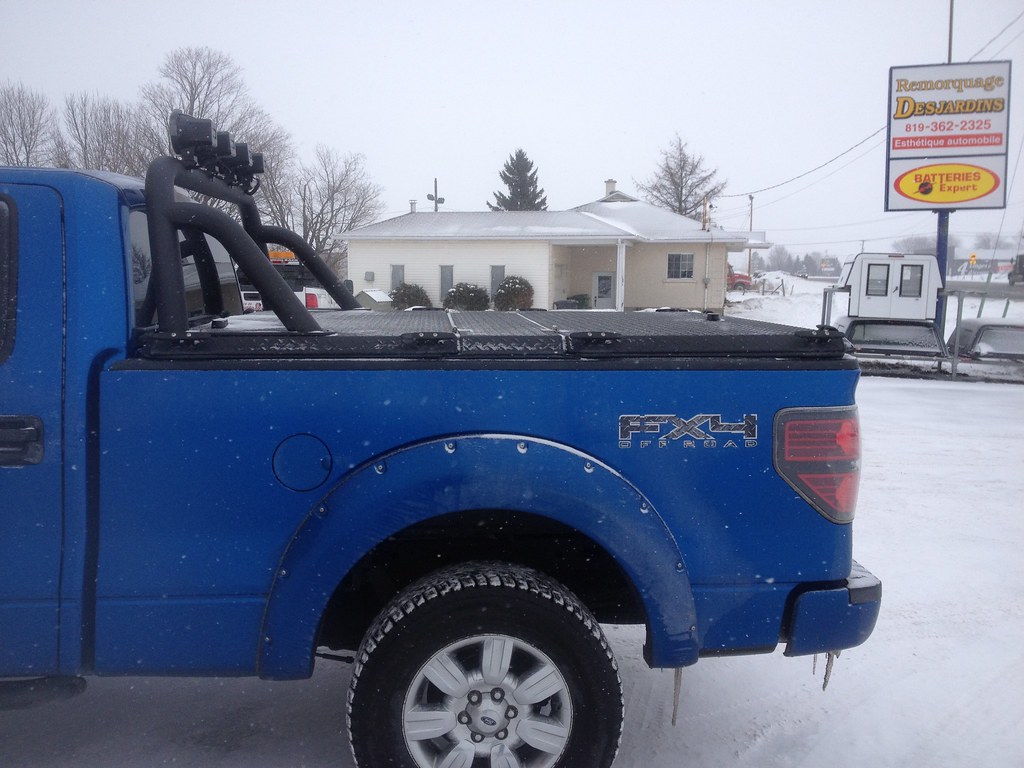
Hard folding covers remain the most popular hard-cover type because they balance function, security and price better than the alternatives, and they let you access part of the bed without removing the entire cover — genuinely useful when you need to grab one item quickly rather than uncover the whole bed. The trade-off is that folded panels stack near the cab, which can reduce rear visibility on some models and costs you a portion of usable bed length while folded, though most designs still leave roughly two-thirds of the bed accessible.
Retractable covers, covered in our best retractable tonneau cover guide, roll into a canister at the front of the bed and typically integrate their lock with the tailgate, giving strong theft resistance and one-handed operation, at a meaningfully higher price point than folding covers. Roll-up covers, hard or soft, install fastest and cheapest but give up the flat, walk-on-adjacent rigidity that makes a folding cover useful as a working surface.
For most owners who want hard-cover security without the retractable price premium, hard folding remains the sensible default — which is exactly why it dominates this market segment.
Frequently Asked Questions
Can I stand on my hard folding tonneau cover?
Not safely, even on a cover rated well above your body weight. Published capacity assumes evenly distributed load; a person’s weight concentrates through two small contact points, which is a different and more damaging loading condition than the rating describes.
How much weight can a BAKFlip MX4 or UnderCover Flex hold?
Both publish 400 lbs of evenly distributed static load. That figure applies to cargo spread across the panel while parked, not concentrated weight or driving conditions.
Does a tonneau cover reduce my truck’s payload capacity?
Yes. Hard folding covers weigh roughly 40 to 150 lbs, and that weight is subtracted from your truck’s published payload rating before you load any cargo, exactly like any other accessory.
Is static load capacity the same as what my cover can handle while driving?
No. Static ratings describe the cover parked and stationary. Dynamic load while driving is higher due to braking, cornering, and rough-road forces, so a load that seems fine parked can stress the cover more once the truck is moving.
Hard folding or retractable — which should I buy?
Hard folding for the best balance of price, security and weather sealing with partial bed access. Retractable if one-handed operation and integrated tailgate locking justify a higher price. Roll-up if installation speed and lowest cost matter more than a rigid working surface.
The Bottom Line
Buy the BAKFlip MX4 if warranty length and dealer support matter most, the UnderCover Flex if you are comfortable trading warranty years for finish, or the Gator EFX if budget is the deciding factor — all three publish comparable 400 lb distributed-load ratings. Whichever you choose, treat that number as a cargo-spreading guideline, not permission to stand or kneel on the closed panel, and weigh the cover itself against your truck’s payload sticker before assuming your full published capacity is still available.
Brakes, Exhaust and NJ Inspection — Keyport, NJ
A loaded truck bed changes stopping distance and handling. Discount Brakes and Mufflers has served Keyport and Monmouth County for over 40 years as an NJ State Inspection Facility, and we repair rather than replace wherever the part allows.
Get a price in minutes with our instant estimate tool, see what is involved in muffler and exhaust repair, or contact our Keyport shop.
Note: this is a buyer’s guide compiled from manufacturer specifications and industry publications. Discount Brakes and Mufflers specializes in brakes, mufflers, catalytic converters and custom exhaust; we do not sell or install tonneau covers.