
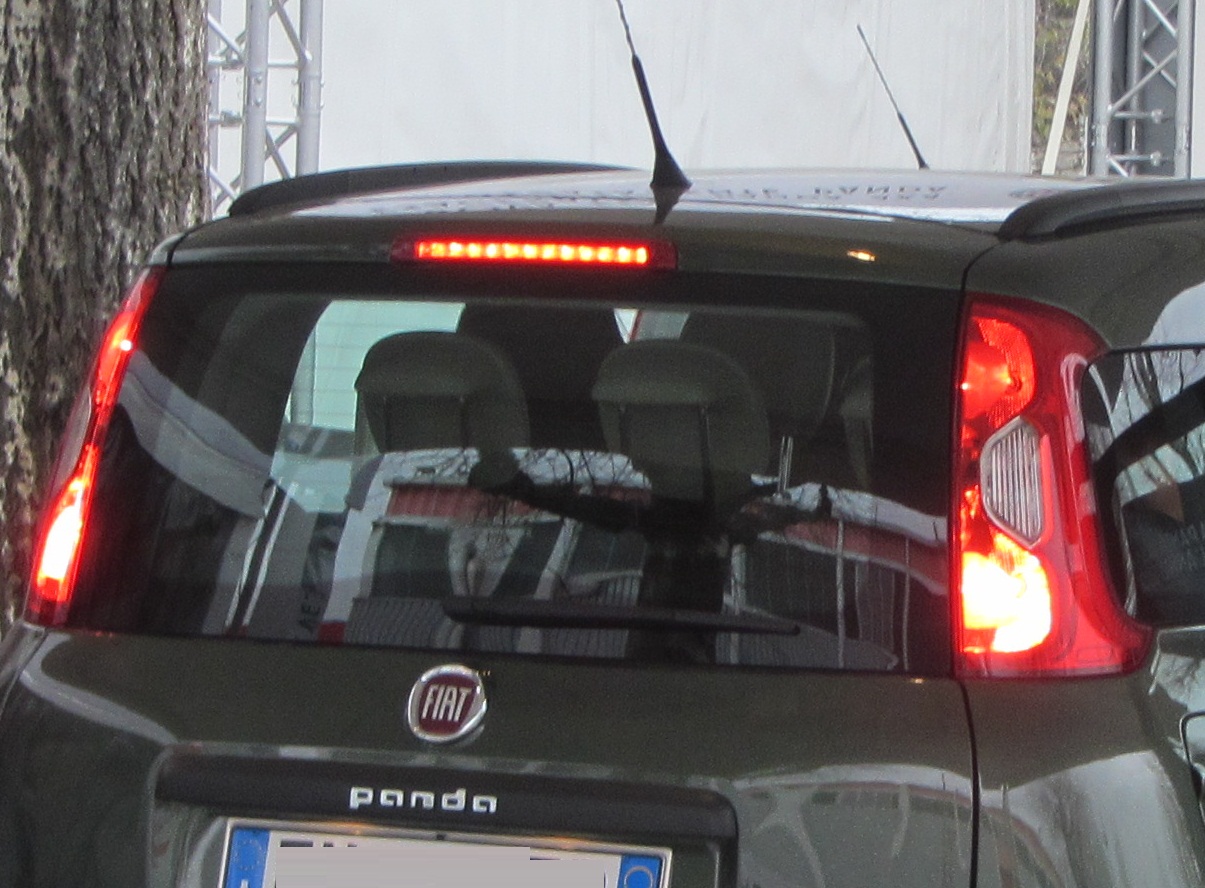
The center high-mounted stop lamp — the “third brake light” — has been mandatory on new U.S. passenger cars since the 1986 model year and on light trucks, vans, and SUVs since 1994, under Federal Motor Vehicle Safety Standard 108. The National Highway Traffic Safety Administration’s original rulemaking projected the lamp would cut rear-end collisions by as much as 50%, and while later real-world studies settled on a more modest single-digit reduction, CHMSL remains one of the few lighting mandates with a directly measurable safety case. That’s the backdrop for a genuinely crowded aftermarket: OEM-style replacement housings for units that have faded, cracked, or died, and LED upgrade bars that trade the stock incandescent bulb for brighter, faster-reacting diodes with a smoked or tinted lens on top.
Key Takeaways
- CHMSL has been federally required on cars since 1986 and on trucks/SUVs/vans since 1994 — replacing one is a fitment question, not an optional accessory decision.
- LED third brake lights illuminate roughly 0.2 seconds faster than incandescent bulbs, which translates to several extra feet of stopping distance for the driver behind you at highway speed.
- Smoked and tinted lenses look cleaner but cut visible output — pair them only with LED boards bright enough to overcome the tint, not with a swapped-in incandescent bulb.
- Vehicle-specific OEM-fit housings (Recon, ANZO, Spyder, Raxiom) bolt into the factory location with no wiring changes; universal surface-mount bars need a drilled or adhesive install and are best reserved for trailers, vans, and custom builds.
- Expect to pay $45–$100 for a quality vehicle-specific unit; expect a check-engine-adjacent trouble light or hyper-flash if you install LEDs without checking whether your truck’s body control module needs a resistor.
CHMSL Rules, OEM Replacement vs. LED Upgrade Bars, and Tinted Lenses
FMVSS 108 doesn’t just require a third brake light to exist — it sets minimum lens area, mounting height relative to the two lower brake lights, and a requirement that the lamp illuminate only on brake application (never as a running light or turn signal). That matters for aftermarket parts because a smoked lens that’s tinted too dark can fail a visual equipment inspection in states that still run one, even if the bulb underneath is perfectly functional. Most reputable brands account for this by pairing a dark lens with a high-output LED board so the lit output still reads as bright red at a glance, even though the housing looks black or smoked when off.
There are two distinct product categories here, and buyers often conflate them. An OEM-fit replacement is designed to occupy the exact factory mounting point and use the factory electrical connector — you unbolt the cracked stock unit and bolt in the new one with no wiring, no drilling, and no reprogramming. A surface-mount LED bar is a standalone light strip, typically 12–17 inches long, that mounts to a cab roof, van door, or trailer gate with adhesive tape or self-tapping screws and taps into the vehicle’s brake circuit. OEM-fit units dominate for daily-driven trucks and SUVs because they preserve the factory look and require zero body modification; surface-mount bars show up more on cargo vans, utility trailers, and vehicles that never had a CHMSL from the factory.
Smoked and tinted lenses are the single most common upgrade request, mostly for aesthetics — matching a blacked-out taillight package rather than fixing anything broken. The tradeoff is real: a factory-clear lens over an incandescent bulb transmits close to 90% of the light produced, while a heavily smoked lens can knock that down by a third or more. This is exactly why LED replacements and smoked lenses are almost always sold together — the LED board’s higher raw output is what keeps the visible brightness in an acceptable range once it passes through a dark lens.
The Best 3rd Brake Lights Worth Buying
These picks split between vehicle-specific OEM-fit housings for the most commonly modified trucks and Jeeps, and a couple of universal-fit options for anyone building a custom install. Prices are approximate street pricing as of 2026 and vary by retailer and vehicle fitment.
1. Recon 264115BK Smoked Lens LED Third Brake Light
Recon built its reputation on tail light and third-brake housings for Ford Super Duty and F-150 trucks, and the 264115BK is the brand’s flagship smoked-lens unit. It uses a dense array of high-output LEDs behind an OLED-style smoked lens, direct-plugs into the factory harness, and includes the factory gasket for a weathertight seal at the cab-to-bed mounting point.
Best for: Ford F-150 and Super Duty owners running a blacked-out lighting package who want a factory-precise fit.
Approximate price: $75–$90
2. ANZO USA 531058 LED Third Brake Light
ANZO’s third brake light for the 2007–2018 Jeep Wrangler JK is one of the most-installed upgrades in the JK aftermarket, largely because the factory unit sits exposed on the tailgate-mounted spare tire carrier and takes a beating from UV exposure and off-road grime. The 531058 uses a smoked lens over a full LED board and bolts to the stock three-hole mounting pattern.
Best for: Jeep Wrangler JK owners replacing a sun-faded or cracked factory unit without touching the wiring.
Approximate price: $55–$65
3. Spyder Auto Version 2 LED Third Brake Light
Spyder’s Version 2 line covers Chevrolet Silverado and GMC Sierra applications with a red or smoked lens option and a lower-profile housing than the factory piece on older body styles. It’s a straightforward plug-and-play swap that keeps the factory mounting screws and electrical connector.
Best for: Silverado/Sierra owners who want a factory-color LED unit without the smoked-lens brightness penalty.
Approximate price: $50–$60
4. Raxiom Axial Series Sequential LED Third Brake Light
Raxiom’s Axial Series for the Jeep Wrangler JL steps up from a static LED board to a sequential-illumination pattern, and it’s one of the pricier options in this roundup because of the added driver electronics needed to sequence the LEDs. It retains the factory tailgate mount and connector.
Best for: JL Wrangler owners who want a visually distinctive brake light, not just a brighter one.
Approximate price: $90–$105
5. Oracle Lighting Concept Series LED Third Brake Light
Oracle covers a broad range of Chevy, GMC, and Ford truck fitments with its Concept Series, sold in smoked, red, and clear lens options. The LED board is rated for a wider operating temperature range than typical, which the brand markets toward buyers in high-heat southern climates where lens yellowing and LED degradation happen faster.
Best for: Buyers in hot climates who want documented thermal durability over the cheapest available option.
Approximate price: $60–$70
6. Winjet OEM Series Replacement Third Brake Light
Winjet’s OEM Series is the budget-conscious pick — a straightforward, factory-style replacement without the marketing around sequential patterns or extended thermal ratings. It covers a wide range of older Honda, Toyota, and domestic truck fitments and is a reasonable choice for anyone whose factory unit simply died and doesn’t need a styling upgrade.
Best for: Budget replacements where matching factory appearance matters more than maximum brightness.
Approximate price: $40–$50
7. IPCW Diamond Cut LED Center Brake Light
IPCW’s Diamond Cut line uses a faceted lens design that scatters light across a wider viewing angle than a flat lens, which the brand positions as an advantage for trucks with a raised suspension where the brake light sits higher and at more of a downward angle relative to following traffic.
Best for: Lifted trucks where a wider light-dispersion angle helps visibility from directly behind.
Approximate price: $45–$55
| Model | Approx. Price | Lens Options | Mount Type | Primary Fitment |
|---|---|---|---|---|
| Recon 264115BK | $75–$90 | Smoked | OEM plug-and-play | Ford F-150 / Super Duty |
| ANZO 531058 | $55–$65 | Smoked | OEM plug-and-play | Jeep Wrangler JK |
| Spyder V2 | $50–$60 | Red, Smoked | OEM plug-and-play | Chevy Silverado / GMC Sierra |
| Raxiom Axial | $90–$105 | Smoked, Clear | OEM plug-and-play | Jeep Wrangler JL |
| Oracle Concept Series | $60–$70 | Red, Smoked, Clear | OEM plug-and-play | Chevy / GMC / Ford trucks |
| Winjet OEM Series | $40–$50 | Red | OEM plug-and-play | Honda / Toyota / domestic trucks |
| IPCW Diamond Cut | $45–$55 | Smoked | OEM plug-and-play | Full-size trucks, lifted applications |
For anyone weighing a broader lighting refresh rather than a single-part swap, our guide to the best LED truck bed lights covers the strip-versus-puck wiring question in more depth, and if the third brake light failure turned out to be part of a bigger electrical gremlin, the best electric brake controller roundup explains how trailer brake wiring interacts with the tow vehicle’s brake circuit. If the factory third brake light housing shares a tailgate with a lock you’re also replacing, see our best tailgate lock guide for fitment notes on the same panel.
Installation Notes: Hyper-Flash, Resistors, and CANbus Errors
Swapping an incandescent third brake light for an LED unit changes the electrical load on that circuit, and on some vehicles the body control module monitors that load to detect a burned-out bulb. Drop the resistance too far below what the module expects and you can get a fast-flashing “hyper-flash” symptom or a dashboard bulb-out warning, even though the new LED is working correctly. This is more common on brake and turn-signal circuits than on the third brake light specifically, since CHMSL circuits are rarely tied to the same bulb-check logic — but it’s worth a five-minute check after install rather than assuming. If a warning does appear, a load resistor wired in parallel with the new LED unit resolves it on the vast majority of applications, and several of the brands above sell a matched resistor kit as an add-on.
Fitment is the other place buyers get tripped up. A third brake light listed for “2015–2020 Ford F-150” often does not carry over to a mid-cycle refresh, because the tailgate-mounted housing and its connector can change shape even when the rest of the truck looks identical from the outside. Confirm the exact model year range and cab style against your VIN before ordering — most of the brands above publish a fitment chart by generation, and getting this wrong is the single most common return reason cited by installers.
Frequently Asked Questions
Is a third brake light legally required?
Yes, for vehicles manufactured after the mandate took effect. Passenger cars have needed one since the 1986 model year, and light trucks, vans, and SUVs since 1994, under FMVSS 108. Driving with a completely dark third brake light can draw an equipment citation in most states, separate from any citation for the two lower brake lights.
Do LED third brake lights actually improve safety, or is it just brighter for the sake of it?
Both are true to different degrees. LEDs reach full brightness roughly 0.2 seconds faster than an incandescent bulb’s filament, which at 60 mph adds close to 18 feet of extra reaction distance for the driver behind you — a meaningful margin in a sudden-stop scenario. The brightness increase on top of that is real but secondary to the reaction-time advantage.
Will a smoked lens fail inspection?
It depends on your state and how dark the tint is. States that still run visual safety inspections generally require the lamp to appear clearly red and sufficiently bright when illuminated, regardless of lens color when off. A quality LED board behind a moderately smoked lens usually passes; a very dark “murdered out” lens over a low-output board is the combination most likely to draw a citation or inspection failure.
Can I install a universal LED light bar instead of a vehicle-specific replacement?
You can, but it’s a different installation category. A universal bar requires drilling or adhesive mounting and running a wire back to the brake circuit, versus a vehicle-specific unit that plugs into the factory connector with no modification. Universal bars make the most sense on vehicles that never had a factory CHMSL — cargo vans, utility trailers, and some older trucks — rather than as a substitute for a factory-location replacement.
Why did my dashboard show a bulb-out warning after installing an LED third brake light?
Some body control modules monitor circuit resistance to detect burned-out bulbs, and an LED unit’s lower resistance can trigger a false warning even though the light works fine. A load resistor wired in parallel with the new unit typically clears the warning; several manufacturers sell a matched resistor kit alongside the light itself.
The Bottom Line
A third brake light is a small part with an outsized safety role, and the decision tree for buying one is simpler than the marketing around it suggests. If the factory unit cracked, faded, or died, a vehicle-specific OEM-fit LED replacement like the Recon 264115BK, ANZO 531058, or Spyder V2 restores factory appearance with a meaningful brightness and reaction-time upgrade, and installs in minutes with the stock connector. If you’re chasing a specific look — sequential lighting, a wider dispersion angle, or a heavily smoked lens — the Raxiom Axial, IPCW Diamond Cut, and Oracle Concept Series each solve a narrower styling problem, but check that the LED output is high enough to stay clearly visible through whatever lens tint you choose. And whichever unit you pick, confirm exact model-year fitment before ordering and keep an eye out for a bulb-out warning after install — it’s a five-minute fix with a load resistor, not a sign anything is actually wrong.