Before you shop for shock absorbers, confirm your car actually has shocks — many modern vehicles use MacPherson struts instead, a different part entirely, and ordering the wrong one is a common and avoidable mistake. This guide compares the best car shock absorbers for 2026 by construction type, price, and fitment breadth, and covers how to actually diagnose worn shocks before you spend money on replacements you may not need yet.
Key Takeaways
- The average U.S. vehicle in operation reached 12.8 years old in 2025, meaning more cars than ever are aging into the mileage range where shocks typically wear out (S&P Global Mobility).
- Shocks and struts generally show noticeable wear between 50,000 and 100,000 miles, with inspection recommended starting around 40,000-50,000 miles (ZF Aftermarket).
- Worn shocks reduce how long your tires stay in contact with the road — a bouncing tire has less grip and less braking force during the moments it’s airborne.
- The KYB Excel-G is the best all-around OEM-match replacement; the Bilstein B6 is the best performance upgrade for buyers who want a genuine handling improvement.
Do You Have Shocks or Struts? Check Before You Buy
Many modern passenger cars and CUVs use MacPherson struts — a combined spring-and-shock assembly — rather than standalone shock absorbers, particularly on the front axle. Ordering a shock absorber for a vehicle that actually needs a strut assembly is one of the most common wrong-part mistakes in this category. Check your vehicle’s specific suspension type before buying anything on this list; many vehicles use struts up front and shocks in the rear, so don’t assume the same part type applies to all four corners.
How to Diagnose Worn Shocks Before You Buy
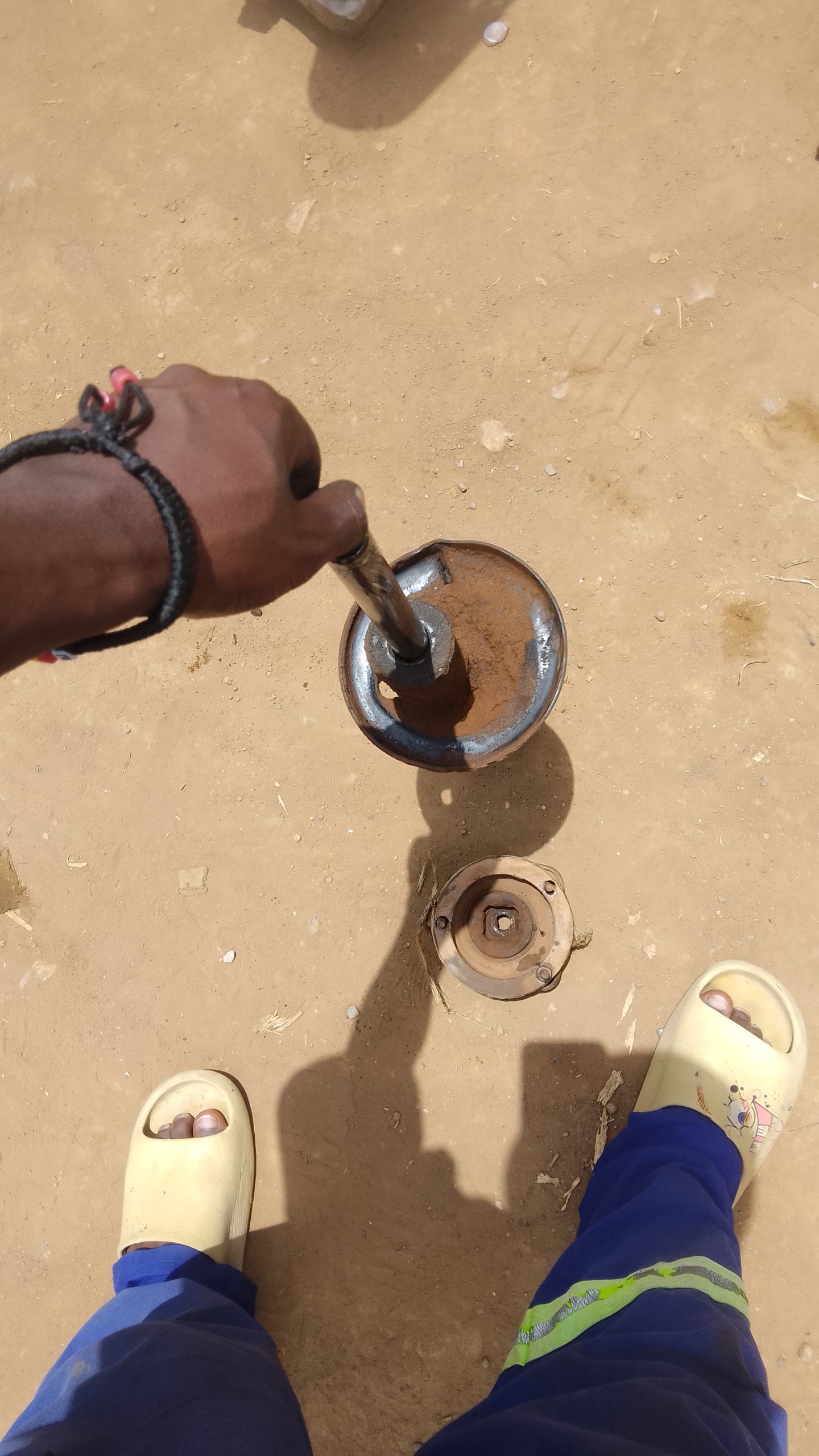
Push down firmly on each corner of the car and release — a healthy shock lets the car settle back to level within one bounce, while a worn one keeps bouncing two or three times. Uneven or “cupped” tire wear (a scalloped pattern around the tire) is another reliable sign, since a bouncing wheel doesn’t maintain consistent tire-to-road pressure. Visible fluid leaking down the shock body is a clear, unambiguous failure sign on any shock — replace it regardless of mileage if you see that.
The 6 Best Car Shock Absorbers in 2026
We compared these on construction type, fitment breadth, and price — twin-tube vs. monotube construction is the main technical decision point.
1. KYB Excel-G — Best All-Around OEM Match
Type: Twin-tube, gas-charged | Price: ~$81/shock
KYB supplies OE shocks to many Japanese-brand vehicles, and enthusiast forum consensus consistently rates its internals as sturdier than entry-level competitors at a similar price point. It’s the safe default pick for restoring factory ride quality.
2. Monroe OESpectrum — Best Budget OEM Match
Type: Twin-tube, gas-charged | Price: ~$54–57/shock
The broadest mainstream catalog coverage on this list at a lower price than KYB, making it the most accessible OEM-match option for common sedans and CUVs. Some forum discussion flags inconsistent long-term durability reports on this specific line — a reasonable pick for budget-first buyers, though not the top choice if you want the longest possible service life.
3. Bilstein B6 — Best Performance Upgrade
Type: Monotube, performance-valved | Price: ~$130–200+/shock depending on application
Application-specific valving rather than a universal design is why Bilstein consistently rates highest in enthusiast forum comparisons for ride quality and cornering control at stock ride height. It’s a genuine handling upgrade, not just a replacement, at a real price premium.
4. KYB Gas-a-Just — Best Budget Performance Option
Type: Monotube | Price: ~$30/corner (budget-tier performance pricing)
KYB’s own product positioning claims up to 25% more damping than its OE twin-tube line, giving you a step toward monotube performance characteristics without Bilstein’s price tag.
5. Rancho RS5000 — Best for Light Trucks and CUVs
Type: Twin-tube, gas-charged | Coverage: Broad truck/SUV/CUV catalog
Positioned for comfort plus light off-road and towing capability rather than pure on-road performance, with a limited lifetime warranty per the brand’s own claim. A reasonable pick if your vehicle sees mixed pavement and rough-road duty.
6. Gabriel — Best Budget Heavy-Duty Option
Type: Twin-tube, gas-charged | Coverage: Broad, heavy-duty-leaning catalog
Gabriel credits itself as the original inventor of the shock absorber (1907) and leans its current catalog toward heavier-duty and towing applications at a budget price point below Monroe and KYB.
Approximate price per shock by tier. Source: manufacturer and retailer listings.
Twin-Tube vs. Monotube: What’s the Real Difference?
A twin-tube shock uses an inner working tube nested inside an outer reserve tube, a simpler, more affordable design that generally prioritizes ride comfort — this is what most OEM-match replacements use. A monotube shock uses a single larger-diameter tube, which dissipates heat more effectively and generally responds more precisely under hard cornering or repeated use, at a higher manufacturing cost. Twin-tube is the right default for restoring factory ride quality on a daily driver; monotube is worth the premium if you want a genuine handling improvement, not just a replacement.
Why You Should Replace Shocks in Pairs, Not Singly
Industry and manufacturer guidance consistently recommends replacing shocks in pairs per axle rather than one at a time. A single new shock paired with a worn one creates mismatched damping side to side, which can affect handling predictability more than simply driving on two evenly-worn shocks. The cost difference between replacing one shock and two is usually modest relative to the labor involved, making pair replacement the more sensible approach in most cases.
For related suspension and braking work, see our best brake pads guide.
Frequently Asked Questions
How do I know if I need shocks or struts?
Check your vehicle’s specific suspension design — many modern cars use MacPherson struts (a combined spring-and-shock unit) on the front axle and standalone shocks in the rear. Look up your exact make and model’s suspension type before ordering, since the two parts aren’t interchangeable.
How often should shock absorbers be replaced?
Most shocks show noticeable wear between 50,000 and 100,000 miles, with inspection recommended starting around 40,000-50,000 miles. Towing, heavy loads, or frequent rough-road driving can shorten that interval; a bounce test and tire-wear check are more reliable than mileage alone.
Should I replace shocks one at a time or in pairs?
In pairs per axle. Mismatched damping between a new shock and a worn one on the same axle creates uneven handling, and the added cost of replacing both is typically modest compared to the labor already involved.
Bottom Line
The KYB Excel-G is the strongest all-around OEM-match shock for most daily drivers, while the Bilstein B6 is the pick if you want a genuine handling upgrade rather than just a replacement. Whichever you choose, confirm your vehicle actually uses shocks and not struts, diagnose wear with a bounce test and tire inspection rather than mileage alone, and replace shocks in pairs for balanced handling.