Valve cover gasket replacement costs $200-$600 total for most cars, with the average landing around $250-$350 — and the gasket itself is almost never the expensive part. The gasket material typically costs just $10-$40, or up to $80 for a full kit, while labor runs $100-$400 or more depending on how much has to come apart to reach the valve cover (J.D. Power, retrieved 2026-08-17). This guide breaks down exactly where that labor cost comes from, the symptoms that mean you actually need this repair, and why V6/V8 engines routinely cost more than four-cylinders for the same job.
Key Takeaways
- Total valve cover gasket replacement runs $200-$600 for most cars, averaging $250-$350 — parts alone are only $10-$80.
- Labor is the real cost driver, at $100-$400+, because reaching the valve cover on some engines requires removing the intake manifold or other components first.
- V6 and V8 engines routinely cost more than inline-4s for this job, since the rear valve cover on a V-configuration engine often sits behind the intake manifold.
- Luxury vehicles are frequently quoted over $1,000 by dealers for this same repair, due to tighter engine bays and higher shop labor rates.
- Common symptoms include a burning oil smell, visible oil residue around the valve cover edges, a slowly dropping oil level, and rough idle from oil fouling spark plug wells.
How Much Does Valve Cover Gasket Replacement Cost?
Total cost for most cars falls between $200 and $600, with $250-$350 being typical for a straightforward inline-4 engine at an independent shop. Some estimates put the average slightly higher, at $366-$502, reflecting the wide range of engine layouts and labor rates across different shops and vehicles (FridayParts, retrieved 2026-08-17).
The split between parts and labor is lopsided by design: the gasket itself is a cheap rubber or cork-composite part, but the labor to access it varies enormously by engine layout. A national chain repair center typically charges $60-$100 per hour, and this job can run anywhere from under an hour on an easy-access four-cylinder to several hours on a V6 or V8 where other components block the way.
Why Labor Cost Varies So Much by Engine Type
An inline-4 engine usually has its single valve cover sitting right on top, fully exposed — pull a handful of bolts, clean the mating surface, and the new gasket goes in with minimal disassembly elsewhere. That’s why simple four-cylinder jobs sit at the low end of the cost range.
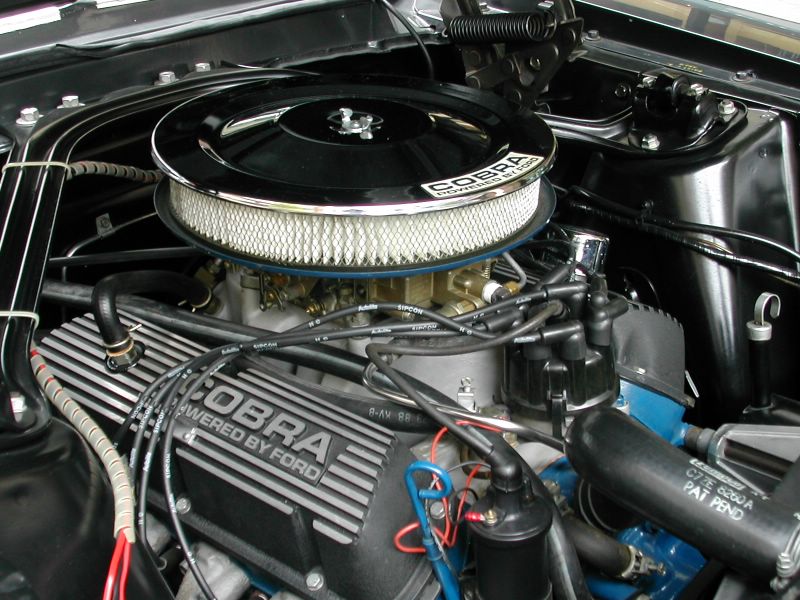
V6 and V8 engines are a different story, because they have two valve covers (one per cylinder bank), and the rear valve cover is frequently tucked behind the intake manifold. Reaching it means removing the intake manifold first — disconnecting sensors, fuel lines, and vacuum hoses along the way — which is exactly why V-configuration engines routinely cost significantly more labor for what is mechanically the same repair (CarParts.com, retrieved 2026-08-17). For luxury vehicles with tightly packaged engine bays and higher shop labor rates, dealers routinely quote over $1,000 for this exact job.
Symptoms of a Failing Valve Cover Gasket
A leaking valve cover gasket announces itself fairly clearly once it starts failing, which is why this repair is rarely a surprise diagnosis:
- Burning oil smell: Often the very first symptom, as leaking oil drips onto hot exhaust components below.
- Visible oil residue: A wet sheen, drips, or sticky debris buildup around the edges of the valve cover, right where the gasket seals.
- Declining oil level: A slow leak shows up as a gradually dropping dipstick reading between oil changes, even with no other visible signs yet.
- Rough idle or misfires: On engines where the valve cover sits near spark plug wells, leaking oil can foul plug wires or ignition coils and cause ignition problems (YourMechanic, retrieved 2026-08-17).
A clogged PCV (Positive Crankcase Ventilation) valve is also worth checking anytime a valve cover gasket fails — built-up crankcase pressure from a stuck PCV valve can push oil past a gasket that would otherwise still be sealing fine, meaning you can replace the gasket and have the same leak return within months if the PCV system isn’t inspected at the same time.
What Causes a Valve Cover Gasket to Fail?
Most valve cover gasket failures trace back to one of a few root causes, and knowing which one applies changes what you should ask a shop to check during replacement:
- Age and heat cycling: Rubber and cork-composite gaskets harden, crack, and shrink over years of repeated heating and cooling, eventually losing their ability to seal.
- Installation errors: A gasket that wasn’t seated correctly, or bolts that were over-torqued and compressed the gasket material too far, can fail well before its normal service life.
- Clogged PCV valve: As noted above, excess crankcase pressure from a blocked PCV system pushes oil past even a healthy gasket.
If your shop replaces the gasket without checking for the underlying cause, there’s a real chance you’re paying for this repair twice. Ask specifically whether the PCV system was inspected as part of the job.
Is This a DIY-Friendly Repair?
On an easy-access inline-4, yes — this is one of the more approachable gasket jobs for a moderately experienced DIYer, since it mostly involves removing bolts, cleaning a mating surface thoroughly, and torquing the new gasket down evenly in the correct sequence to avoid leaks. On a V6 or V8 where the intake manifold has to come off first, the job gets considerably more involved and mistake-prone, and that’s where paying a shop starts making more sense even for confident DIYers.
Whichever engine you’re working on, a stable, comfortable position for leaning over the engine bay matters more than most people expect on a job this fiddly — a topside engine bay creeper keeps you from working hunched over a fender for an hour at a stretch. And if you’re using an impact driver or air ratchet to speed up bolt removal, check our garage air compressor sizing guide to make sure your compressor can actually keep up with the tool rather than fading mid-job.
Frequently Asked Questions
How long does a valve cover gasket last?
Most valve cover gaskets last well over 60,000-100,000 miles under normal conditions, though heat exposure, engine age, and PCV system health all affect actual lifespan more than mileage alone does.
Can I drive with a leaking valve cover gasket?
For a short time with a minor leak, yes, as long as you’re monitoring oil level closely — but a leak that’s fouling spark plugs and causing misfires, or dripping onto hot exhaust components, should be addressed promptly rather than driven on indefinitely.
Why did my valve cover gasket leak come back after replacement?
The most common reasons are a clogged PCV valve that wasn’t addressed during the repair, an improperly torqued or unevenly seated new gasket, or a valve cover that was warped and not resurfaced before the new gasket went on.
Is valve cover gasket replacement covered under warranty?
It depends on the vehicle’s age and warranty terms — many factory powertrain warranties cover this repair if the vehicle is still within its coverage period, but check your specific warranty documentation, since gasket failures are sometimes classified as wear items rather than defects.
The Bottom Line
Valve cover gasket replacement costs $200-$600 for most vehicles, with the wide range coming almost entirely from labor differences by engine layout rather than the gasket itself. A simple inline-4 job sits near the bottom of that range; a V6 or V8 that requires intake manifold removal sits well above it, and luxury vehicles can push past $1,000 at a dealer. If you’re getting quotes, ask whether the PCV valve is being inspected as part of the job — skipping that check is the most common reason this exact repair has to be done twice.