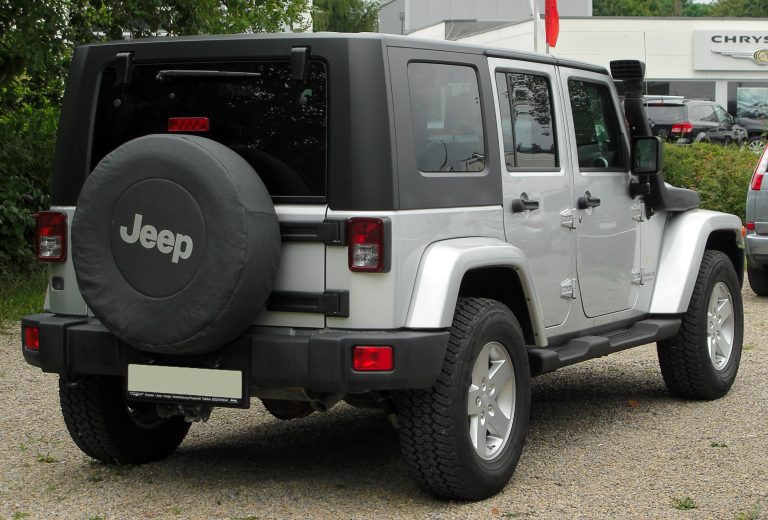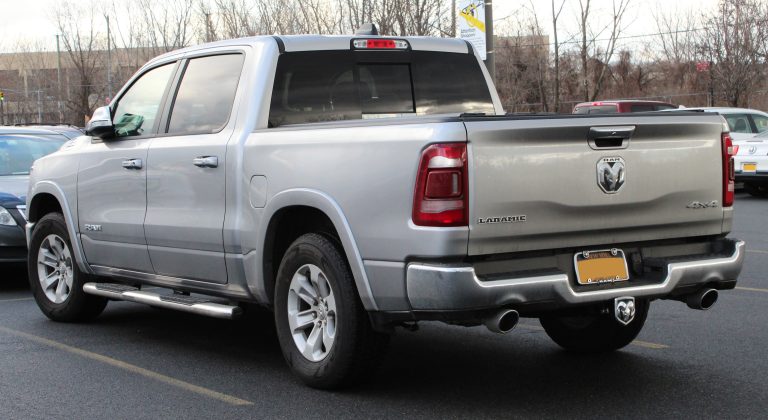
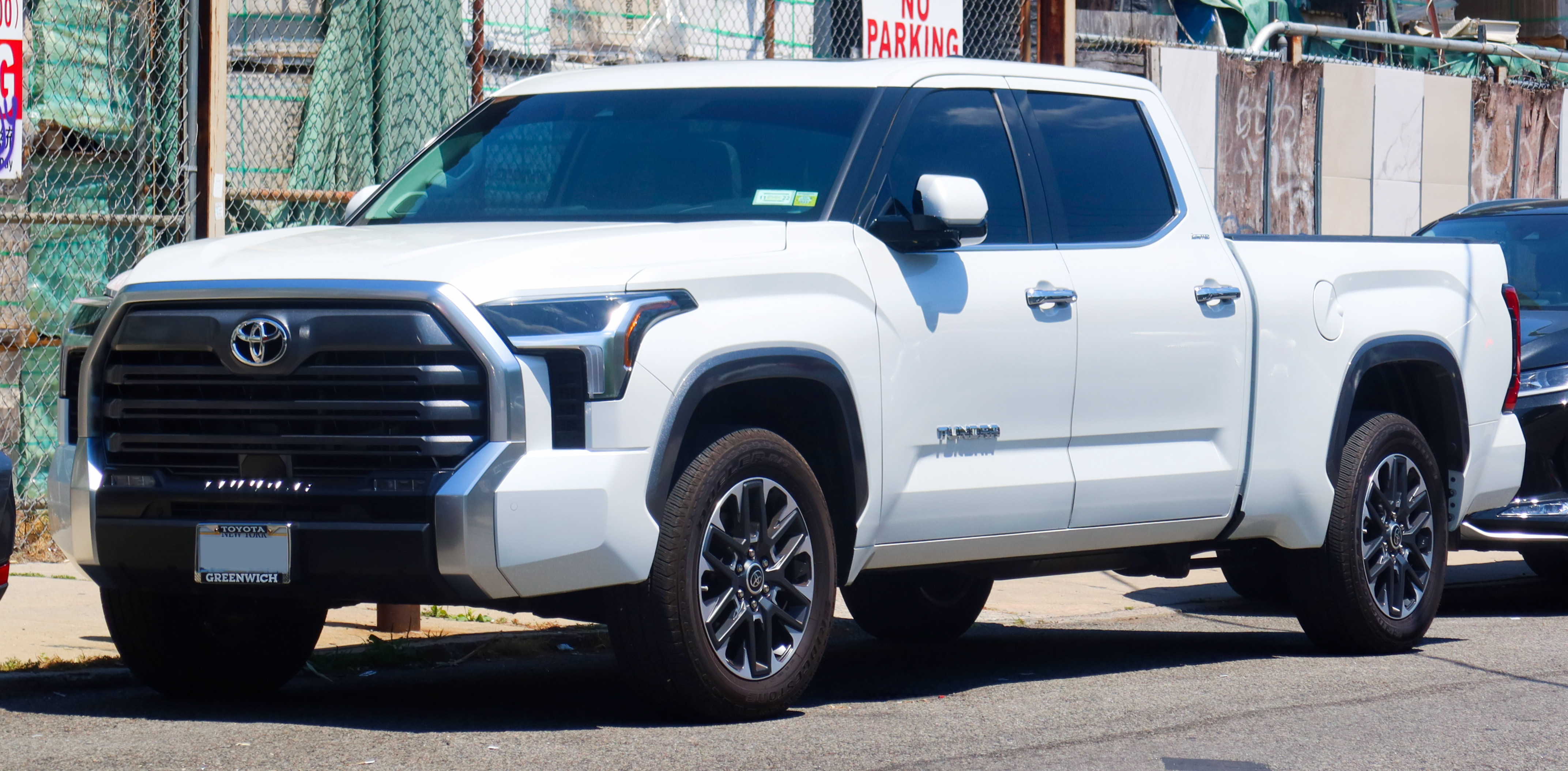
A 3rd-gen Tundra CrewMax with the standard bed carries a box that’s about 78 inches long. A 3rd-gen Tacoma Double Cab’s short bed runs closer to 60 inches, with the long bed stretching to roughly 73.5 inches — still shy of the Tundra’s shortest available box. That’s not a rounding error; it’s the difference between a mid-size truck and a full-size one, and it shows up everywhere a bed rack touches the truck: bed rail length, stake pocket spacing, payload left over after the rack itself, and even how the tailgate is built. Toyota doesn’t just make a bigger Tacoma when it builds a Tundra — it builds a different class of vehicle, on a different frame, with a different history of bed and tailgate design.
This guide is scoped specifically to that Tundra-sized problem: which racks are actually built for the Tundra’s bed rail and stake pocket layout, how the 2nd-gen (2007–2021) and 3rd-gen (2022–present) Tundra beds differ in ways that matter for rack fitment, and how the Tundra’s generally higher payload changes the math on what a rack can realistically add. If you want the general explainer on why a rack’s static rating isn’t the number that matters while driving, our Best Truck Bed Rack guide covers that in depth and applies to any truck, Tundra included. And if you’re cross-shopping a Tacoma instead — or trying to decide between the two — our Tacoma bed rack fitment guide covers that mid-size truck’s generation-specific stake pocket and rail differences in the same depth this guide gives the Tundra.
Key Takeaways
- The 2026 Tundra offers three bed lengths — roughly 65.6″ (CrewMax only), 77.6″ (CrewMax or Double Cab), and 96.5″ (Double Cab only) — all longer than any Tacoma bed option, which is the core reason Tundra-specific rack SKUs exist separately from Tacoma ones.
- The 3rd-gen (2022+) Tundra switched to a Sheet-Molded Compound composite bed with aluminum reinforcing cross members, replacing the 2nd gen’s stamped steel bed, and while both generations use stake pockets, manufacturers still sell separate rack SKUs for pre-2022 and 2022+ trucks.
- Tundra payload tops out around 1,850 lbs on lighter SR/SR5 gas configurations and drops to roughly 1,485 lbs on a loaded Capstone i-FORCE MAX CrewMax 4×4 — both figures comfortably above what a mid-size Tacoma can typically spare for a rack, tent, and gear.
- All 2026 Tundras get a standard power-release tailgate, with power-close and knee-lift assist available; that’s a meaningfully different tailgate than the simple manual design on 2nd-gen and early 3rd-gen trucks, and it affects tailgate-mounted accessories more than the rack itself.
- Cali Raised, RCI, and Rago Fabrication all sell Tundra-specific bed racks, and every one of them splits its lineup at the 2022 generation break — there is no single SKU that spans both Tundra generations the way some Tacoma racks span 2005–2023.
The Racks Worth Buying
Cali Raised Overland Bed Rack (2022+ Tundra)
Cali Raised’s Tundra-specific rack is built from roughly 80% aluminum, weighs about 55 lbs, and is finished in a semi-gloss black powder coat. It uses the brand’s T-slot crossbar system for mounting accessories and is engineered specifically around the 3rd-gen Tundra’s bed rail, with a mid-height version sized for the 6.5-foot bed (Cali Raised LED, retrieved 2026-08-04). Toyota’s factory or aftermarket bed rail is a prerequisite for installation, which is worth confirming before ordering if your truck has had any bed accessories swapped.
Best for: 2022-and-newer Tundra owners who want a lightweight aluminum rack with a widely-used T-slot accessory system.
RCI 18″ HD Bed Rack (2007–2021 Tundra)
RCI’s steel bed rack for the 2nd-gen Tundra is sold in three lengths — matched to the 5-foot, 5.5-foot, and 6-foot beds — and mounts to the inside of the factory bed rail, with an optional drill-free clamp mounting method. It carries a static load rating over 750 lbs, and its built-in mounting points accept a wide range of aftermarket accessories without additional drilling (Off Road Tents, retrieved 2026-08-04). Steel construction means more weight on the truck than an aluminum alternative, but also a higher static ceiling for the price.
Best for: 2nd-gen Tundra owners who want maximum static capacity for a rooftop tent and don’t mind the added steel weight.
Rago Fabrication Bed Rail Accessory Mount
Rago Fabrication takes a lighter-touch approach than a full overland rack: its bed rail accessory mount bolts directly to the factory Tundra bed rail with no drilling, and is built to carry a shovel, recovery boards, fuel cans, or similar gear rather than a full rooftop tent platform. Rago sells separate versions for the 2007–2021 Tundra and the 2022–2023 Tundra, reflecting the same generation split every other manufacturer in this category follows (Truck Brigade, retrieved 2026-08-04; Rago Fabrication, retrieved 2026-08-04).
Best for: owners who want factory-rail-mounted accessory points without committing to a full mid-height rack platform.
Tundra Bed Length by Cab Configuration
Unlike the Tacoma, where bed length differences between trims are measured in single-digit inches, the Tundra’s bed options span a much wider range because the truck is built around two genuinely different cab configurations. The CrewMax is the shorter, wider-cabin layout and is the only cab that can be paired with the shortest available bed; the Double Cab trades some rear legroom for the option of the longest bed Toyota offers on this platform (Downtown Toyota, retrieved 2026-08-04).
| Bed Length | Approx. Length | CrewMax | Double Cab |
|---|---|---|---|
| Short bed | 65.6″ (5.5′) | Yes | No |
| Standard bed | 77.6″ (6.5′) | Yes | Yes |
| Long bed | 96.5″ (8.1′) | No | Yes |
Sources: bed length specifications compiled from Downtown Toyota and AutoReviewNest (retrieved 2026-08-04); confirm exact figures for your specific model year against Toyota’s published spec sheet, since minor dimensional revisions do happen between years.
Because most rack manufacturers sell bed-length-specific SKUs rather than one adjustable size, knowing your exact bed length before shopping matters more on a Tundra than it does on a Tacoma, where the bed length spread between trims is narrower to begin with. RCI’s lineup, for example, sells three separate lengths matched to the 5-foot, 5.5-foot, and 6-foot Tundra beds — ordering the wrong one means a rack that either doesn’t reach the tailgate or overhangs it.
2nd-Gen vs. 3rd-Gen: What Changed for Rack Fitment
The 2nd-generation Tundra (2007–2021) used a conventional stamped steel bed with stake pockets running down each bedside, the same general approach most trucks of that era used. Rack manufacturers built directly to that stake pocket spacing and bed rail profile, and RCI, Rago, and other brands still sell dedicated 2007–2021 products built around it.
The 3rd-generation Tundra (2022–present) changed the bed material itself: Toyota switched to a Sheet-Molded Compound composite deck reinforced with aluminum cross members, replacing the older stamped steel design and adding resistance to dents, dings, and corrosion that a steel bed doesn’t have (Repairer Driven News, retrieved 2026-08-04). Both generations retain stake pockets, but the 3rd gen’s are positioned under plastic covers on top of the bed rail rather than in the exact same location and profile as the 2nd gen’s, which is the practical reason Cali Raised, RCI, and Rago all treat 2022+ as a separate product line rather than extending their 2007–2021 SKU forward.
The tailgate is the other generation split worth knowing about. Toyota’s 2022 redesign cut roughly 20% of tailgate weight and added a fob-actuated release as standard, while the power-close option with knee-lift assist arrived later and, as of the 2025 model year, became standard on Limited trims and above; for 2026, every Tundra gets a standard power-release tailgate with power-close available across the lineup (Toyota Pressroom, retrieved 2026-08-04; San Marcos Toyota, retrieved 2026-08-04). Toyota has stopped short of the multi-position, fold-flat “multifunction” tailgate designs some competitors offer, which simplifies rack compatibility since there’s no folding tailgate geometry for a rack’s rear crossbar to clear (Motor1, retrieved 2026-08-04). Still, a power tailgate’s motor and wiring sit closer to the bed rail than a manual tailgate’s hardware did, so it’s worth checking a rack’s tailgate-end clearance diagram if you’re running the power-close option and a rear-mounted accessory together.
Tundra vs. Tacoma: Full-Size Capacity Against Mid-Size
This is the comparison that actually matters if you’re cross-shopping the two trucks rather than just shopping within one. The Tundra’s payload tops out around 1,850 lbs on a lighter SR or SR5 gas configuration, and even a heavily-optioned Capstone i-FORCE MAX CrewMax 4×4 still carries roughly 1,485 lbs (AutoReviewNest, retrieved 2026-08-04). A mid-size Tacoma, by contrast, typically has less overall payload to work with, which is exactly why a heavy rack-plus-rooftop-tent build eats a proportionally bigger share of a Tacoma’s payload than the same build does on a Tundra.
That gap plays out directly in what a Tundra owner can add on top of the rack itself without running short on payload. A 55-lb aluminum Cali Raised rack, a 150-lb rooftop tent, two adults’ worth of camping gear, and a full tank of water can comfortably fit inside a Tundra’s payload budget in most configurations; the same stack pushes much closer to the ceiling on a mid-size truck. That doesn’t mean Tundra payload is unlimited — heavier trims and the hybrid i-FORCE MAX powertrain measurably cut into the number, and the only accurate figure for any individual truck is the one printed on its door-jamb Tire and Loading Information label, not a generic trim-level spec sheet.
The bed length difference compounds the capacity difference. A longer bed spreads a given static load over more mounting points and generally allows a wider selection of full-length rack platforms, which is part of why Tundra-specific racks from RCI and Cali Raised tend to be offered in longer overall lengths than their Tacoma counterparts. If you’re deciding between the two trucks specifically for an overland or rooftop-tent build, the Tundra’s full-size class buys you both more raw payload and more physical bed to spread a rack and its gear across — at the cost of the Tacoma’s smaller footprint and typically better fuel economy. Our Tacoma bed rack guide covers that mid-size truck’s own generation-specific fitment in full if that’s the side of the comparison you’re weighing.
Mounting Hardware and Installation
Most Tundra-specific racks mount one of two ways: bolting into the factory bed rail’s stake pocket points, or clamping to the bed rail itself with a drill-free mounting kit. Both methods are reversible and don’t require modifying the composite or steel bed panel underneath. Rago Fabrication’s accessory mounts and Cali Raised’s T-slot rack legs both fall into this no-drill category, which preserves resale value and avoids opening a path for water intrusion the way a bolt-through install can on any truck, Tundra included (see our general bed rack guide for the fuller explanation of bolt-through versus stake pocket tradeoffs).
Before installing, confirm your Tundra actually has a factory bed rail present and undamaged — Cali Raised’s own fitment notes specify that a factory or aftermarket bed rail is a prerequisite for their rack, not an optional accessory. If a prior owner removed the bed rail caps or the bed rail itself was swapped for a different accessory, that needs to be resolved before a bed rack can go on. It’s also worth checking that whichever rack you choose lists clearance for the power tailgate’s motor housing if your Tundra has that option, since the added hardware sits slightly differently than a manual tailgate’s simpler mechanism.
Frequently Asked Questions
What bed lengths does the Tundra come in?
Three: a roughly 65.6″ short bed available only on CrewMax, a 77.6″ standard bed available on both CrewMax and Double Cab, and a 96.5″ long bed available only on Double Cab. Always confirm the exact figure for your model year against Toyota’s spec sheet before ordering a bed-length-specific rack.
Will a 2nd-gen Tundra bed rack fit a 3rd-gen truck?
No. The 3rd-gen (2022+) Tundra switched to a composite SMC bed with a different stake pocket cover design, and every major manufacturer covered here — Cali Raised, RCI, and Rago Fabrication — sells separate SKUs split at the 2022 generation line rather than one rack spanning both.
Does the Tundra have a multifunction or fold-flat tailgate?
No. Toyota has kept the Tundra’s tailgate to a single-hinge design with a power-release standard on all 2026 trims and power-close with knee-lift assist available, rather than adding the multi-position folding tailgate some competitors offer. That simplifies rack clearance since there’s no folding tailgate geometry to account for.
How much payload does a bed rack leave on a Tundra?
Depends heavily on trim: lighter SR/SR5 gas configurations can rate up to about 1,850 lbs of payload, while a loaded Capstone i-FORCE MAX CrewMax 4×4 drops to roughly 1,485 lbs. Subtract the rack’s own weight, any tent or gear mounted to it, and everything else riding in the truck from your specific truck’s door-jamb payload figure, not a generic trim average.
Is a Tundra bed rack the same as a Tacoma bed rack?
No. The Tundra’s longer bed lengths, different bed rail profile, and higher payload mean Tundra racks are sold as entirely separate products from Tacoma racks, even within the same manufacturer’s lineup. See our Tacoma bed rack guide for that truck’s own generation-specific fitment.
Do I need to drill into my Tundra’s bed to install a rack?
Not for most Tundra-specific racks. Cali Raised’s T-slot rack and Rago Fabrication’s accessory mounts both bolt to the existing factory bed rail and stake pocket points without drilling. Bolt-through mounting exists for maximum-load builds but is a separate, permanent installation method.
What’s the difference between static and dynamic load rating on a Tundra rack?
The same distinction applies here as on any truck: static is the parked-load number, and dynamic (further derated off-road) is what matters while driving. See our general bed rack buying guide for the full explanation, since that concept doesn’t change based on which truck the rack is bolted to.
The Bottom Line
The Tundra isn’t a bigger Tacoma with a different badge — it’s a full-size truck with its own bed lengths, its own generation break at 2022, and payload figures that generally leave more room for a rack, a tent, and gear than a mid-size truck can spare. Start by confirming your exact cab and bed configuration, since Tundra rack SKUs are sold by bed length far more strictly than Tacoma ones are. Then confirm which side of the 2022 generation line your truck falls on, since that determines the bed rail and stake pocket layout a rack has to match, not just the model year on the title. From there, pull your specific truck’s payload figure off the door-jamb sticker and subtract the rack’s own weight before adding anything else. Get the generation, the bed length, and the payload math right, and the rest of the decision — steel versus aluminum, static versus dynamic rating — follows the same logic that applies to any bed rack on any truck.