If you searched “brake shoe” expecting the same shopping experience as brake pads, stop here first: a brake shoe is not a brake pad, and the two aren’t interchangeable, cross-shoppable, or even mounted the same way. Brake pads clamp against a flat rotor in a disc brake system. Brake shoes press outward from the inside against the drum of a drum brake system — a completely different mechanical layout, typically found on the rear axle of trucks, base-trim sedans, and other cost-conscious vehicles that keep drums specifically because they’re cheaper to manufacture and make integrating a mechanical parking brake simpler.
This guide covers which brake shoes are worth buying, the friction material differences that matter for a drum system, how the self-adjusting mechanism inside a drum brake actually works, and how to make sure the shoes you order are actually sized to your drum. If your vehicle has disc brakes at all four corners, or you’re shopping for the front axle on nearly any modern car, you want pads, not shoes — our ceramic brake pads buyer’s guide covers that decision instead.
Key Takeaways
- Brake shoes belong to drum brake systems, not disc brakes — they press outward against the inside of a drum rather than clamping a rotor, and shoes and pads are never cross-compatible.
- Rear drum brakes are still common on base-trim sedans, compact cars, and many trucks and vans, largely because drums are cheaper to produce and simplify the mechanical parking-brake linkage.
- Shoe friction material comes in three broad types — semi-metallic, non-asbestos organic (NAO), and newer ceramic-lined formulations — each with different heat tolerance, noise, and dust characteristics.
- Shoes rely on a self-adjusting star-wheel mechanism to maintain proper drum clearance as the lining wears; a sticking or seized adjuster is one of the most common causes of a low or spongy parking brake.
- Fitment is unforgiving: shoes are sized to a specific drum diameter and shoe width, so the correct part is determined by your exact drum spec, not just your vehicle’s year and model — see our brake drum buyer’s guide for how that spec, including the drum’s discard diameter, actually works.
The Brake Shoes Worth Buying
Raybestos Element3 Organic Drum Brake Shoes
Raybestos positions its Element3 line as a full-lining organic-formula shoe engineered for quiet operation and consistent pedal feel across daily-driving conditions. As a mid-tier brand with a long OE-supply history, Raybestos is a common recommendation for drivers who want a noticeable step up from the cheapest bargain-bin shoe without paying for track-oriented capability they don’t need on a rear drum axle.
Best for: daily-driven sedans, crossovers, and light trucks where quiet, predictable rear braking matters more than towing capacity.
Wagner QuickStop Drum Brake Shoes
Wagner’s QuickStop line is built around a bonded-lining construction and is commonly specified as a direct OE-style replacement across a wide range of trucks, vans, and passenger cars that still run rear drums. Wagner’s broader brake catalog is lab-tested to SAE noise and effectiveness standards on its pad lines, and the QuickStop shoe line carries that same OE-replacement philosophy into the drum side of the business (Wagner Brake, retrieved 2026-07-31).
Best for: owners who want an OE-equivalent replacement shoe with a documented testing pedigree rather than an unknown budget import.
ACDelco Gold Drum Brake Shoe Sets
ACDelco’s Gold line is the brand’s mainstream replacement tier, positioned between its economy and Professional/OE lines. Gold-series shoes are a common factory-style replacement for GM trucks and SUVs in particular, where ACDelco’s OE heritage carries real weight with owners who want a part that matches original fitment and pedal behavior closely.
Best for: GM truck and SUV owners who want a factory-style match, and any owner prioritizing OE-level fitment precision over aftermarket experimentation.
Centric Premium Drum Brake Shoes
Centric’s Premium shoe line is the company’s standard-duty replacement offering, sitting below its severe-duty and posi-quiet-branded pad lines in positioning but built on the same parent company’s engineering and quality-control processes that back its well-regarded rotor and pad catalog.
Best for: budget-conscious replacements on older or high-mileage vehicles where a straightforward, no-frills shoe is all the job calls for.
Drum Brakes vs. Disc Brakes: Why the Distinction Matters Before You Buy
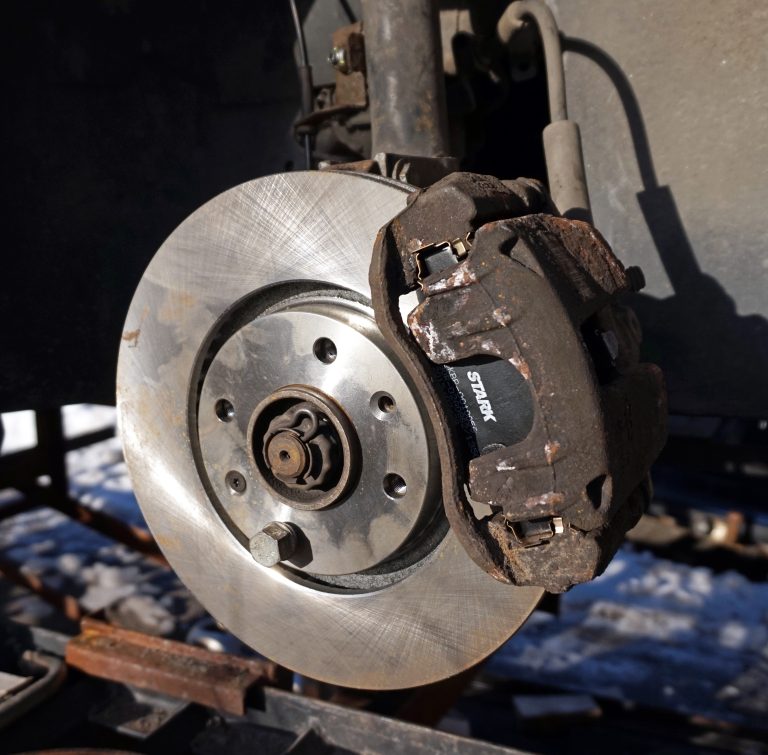
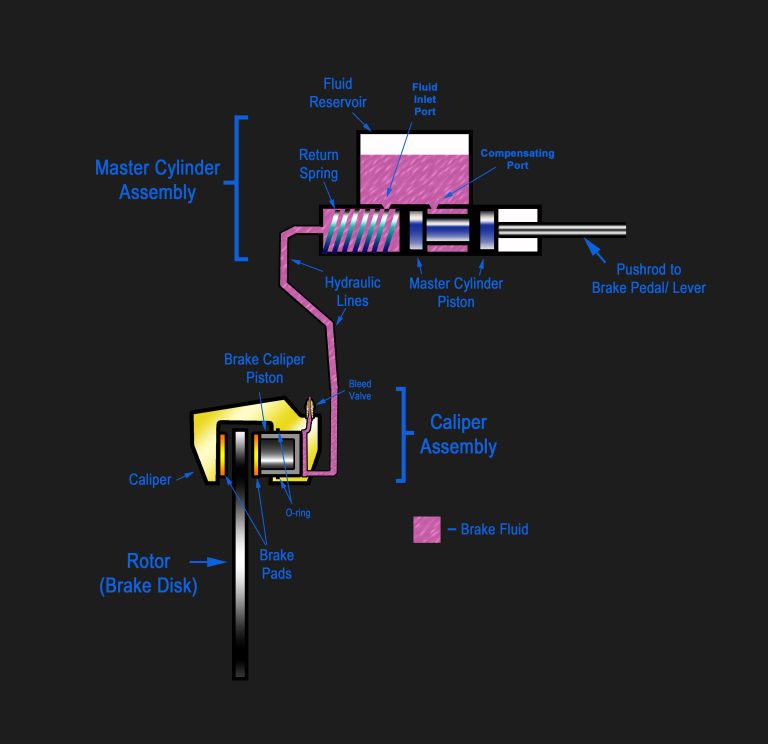
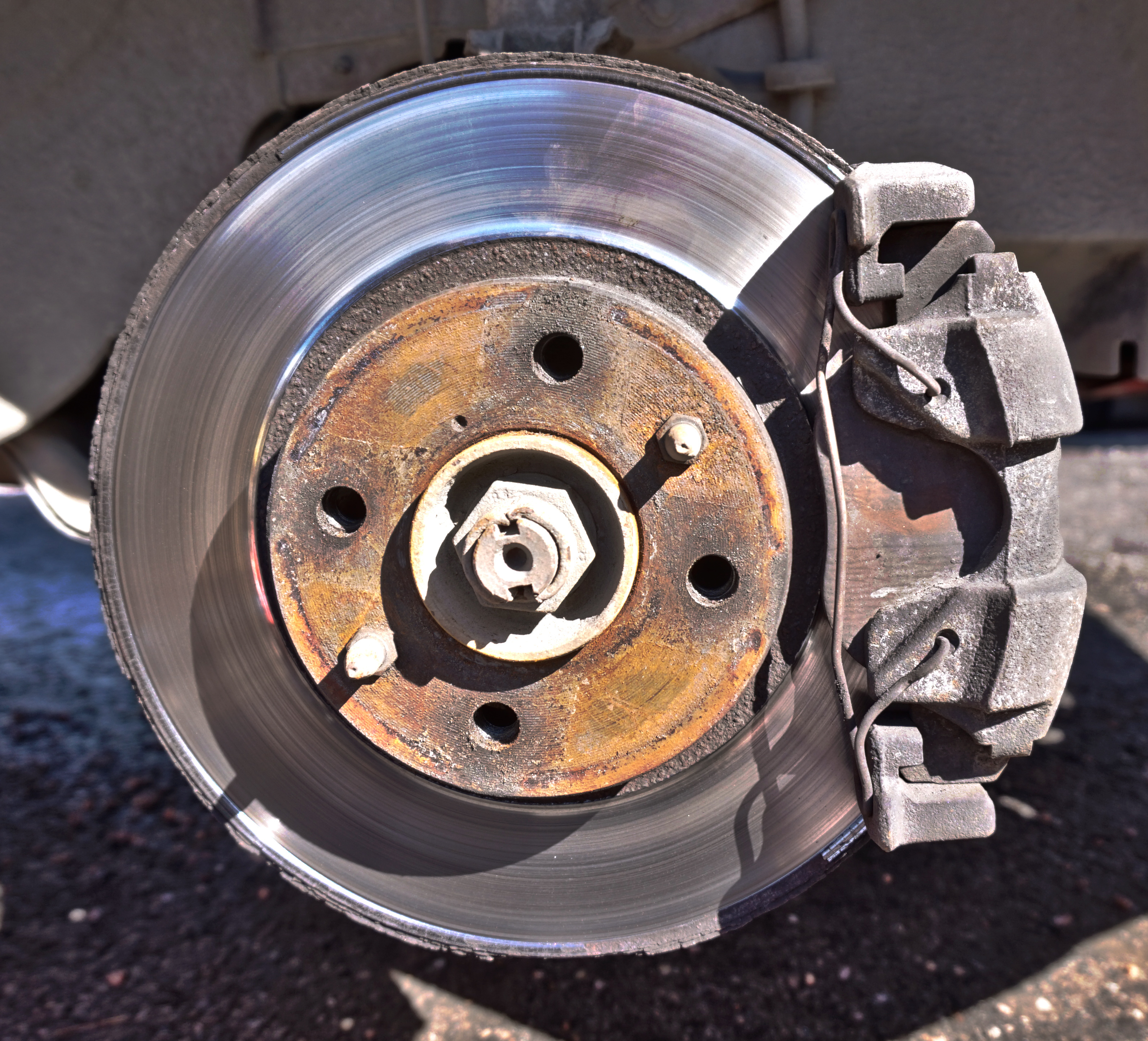
A disc brake system uses a caliper to squeeze two flat pads against opposite faces of a spinning rotor — the pads sit outside the rotor and clamp inward. A drum brake system flips that geometry: two curved shoes sit inside a hollow, cylindrical drum that spins around them, and a wheel cylinder forces the shoes outward against the drum’s inner surface when the brakes are applied. The parts aren’t shaped the same, don’t mount the same way, and a shoe can no more replace a pad than a drum can replace a rotor.
Most vehicles sold today use disc brakes on the front axle, where the majority of braking force and heat generation happens. The rear axle is where the split occurs: many trucks, vans, and lower trims of otherwise disc-braked sedans and crossovers still ship with rear drums, largely because drums are less expensive to manufacture and because integrating a mechanical parking brake into a drum is simpler and cheaper than building a separate drum-in-hat parking-brake assembly behind a rear disc. If you’re not sure which system your vehicle has, check your owner’s manual or look at the rear wheel: a small drum-like housing bolted where the rotor would be is the giveaway that you have rear drums rather than rear discs.
Even on vehicles that have moved to rear discs, some models tuck a small drum-style parking-brake shoe inside the “hat” of the rear rotor rather than using the caliper for parking duty — a hybrid setup that still uses miniature brake shoes even though the main service brakes are discs running standard pads. If you’re working on the main service brakes rather than a parking-brake drum-in-hat assembly, and your vehicle has discs at that corner, our ceramic brake pads guide is the more relevant read.
Friction Material Types: Semi-Metallic, NAO, and Ceramic-Lined Shoes
Brake shoe friction material breaks down into roughly the same three families used in disc pads, adapted to a drum’s lower operating-temperature environment.
Semi-metallic shoes bond metal fibers — typically steel, copper, or iron — with graphite lubricant and filler material, generally landing somewhere in the 30–70% metal-content range depending on the formulation. That metal content transfers heat effectively and holds up under repeated, aggressive stops, but it also tends to run noisier and can be more abrasive on the drum surface over time.
NAO (non-asbestos organic) shoes use natural and synthetic fibers — glass, rubber, resins, and materials like Kevlar — bonded into the friction compound. NAO linings are the quietest and gentlest on the drum surface of the three types, which is why they’re common on daily-driver rear axles where towing and heavy load aren’t part of the picture, but they generally have a lower heat ceiling than semi-metallic formulations.
Ceramic-lined shoes are a newer addition to the drum-brake aftermarket, built from dense ceramic compounds combined with copper fibers and specialized binders. They aim to bring the low-dust, low-noise, gentle-on-drum characteristics that made ceramic dominant in the disc-pad market over to drum applications, though because rear drums see less severe duty than front rotors in the first place, the practical difference between a quality NAO shoe and a ceramic-lined shoe is smaller than the equivalent gap on the front axle.
| Material | Heat tolerance | Noise level | Dust/drum wear | Typical use case |
|---|---|---|---|---|
| Semi-metallic | Highest | Higher | More abrasive on drum | Trucks/vans with heavier rear loads |
| NAO (organic) | Lowest | Quietest | Gentlest on drum | Daily-driver rear axles, no towing |
| Ceramic-lined | Moderate | Low | Low | Daily-driver rear axles wanting lower dust |
The Self-Adjusting Mechanism, and Why It Matters When You Replace Shoes
Unlike a disc brake caliper, which self-adjusts simply by how far the piston travels, a drum brake needs a dedicated mechanism to keep the shoes close to the drum as the lining wears down over thousands of miles. That job falls to a star-wheel adjuster: a threaded wheel with small teeth, held in position by a spring-loaded adjusting lever, sitting between the two shoes.
During normal braking, if the lining has worn enough that the shoe has to travel farther than normal to reach the drum, the adjusting lever moves far enough to catch the next tooth on the star wheel. When the brake pedal releases, the lever rotates the star wheel slightly, which lengthens the adjuster assembly and pushes the shoes a fraction closer to the drum. Repeated over thousands of brake applications, this keeps clearance in the right range without the driver or a mechanic ever touching an adjustment screw.
This mechanism is exactly why drum brake shoe replacement is not a pure swap-and-go job the way pad replacement often is. A star wheel that’s corroded, seized with road grime, or simply installed backward will leave the new shoes sitting too far from the drum, producing a soft or low parking brake and a pedal that has to travel further than it should before the rear brakes engage. Any shoe replacement should include cleaning, lubricating, and confirming free movement of the adjuster hardware — and replacing the adjuster spring kit is cheap insurance if the old hardware looks worn, rusted, or fatigued.
Sizing and Fitment: Matching Shoes to Your Drum
Brake shoes are manufactured to fit a specific drum diameter and a specific shoe width, and getting either dimension wrong means the shoes won’t seat correctly against the drum’s braking surface even if the shoe otherwise looks like it should bolt in. Common drum diameters run in the 9-, 10-, and 11-inch range for passenger cars and light trucks, though other sizes exist for specific platforms, and shoe widths are typically specified in fractions of an inch alongside the diameter.
Shoe construction also affects how they wear and how they should be inspected. Riveted shoes attach the friction lining to the metal shoe plate with rivets and need replacement once the lining wears down to within about 1/16 inch of the rivet heads — run them past that point and the exposed rivets will score the drum. Bonded shoes glue the lining to the plate instead, which allows the lining to wear closer to the plate before replacement is needed and tends to distribute braking force more evenly, though bonded shoes can only be measured for remaining life along the edges where the lining meets the plate.
Because fitment is drum-specific rather than universal, the safest way to order shoes is by your vehicle’s exact year, make, model, trim, and axle position rather than assuming all rear shoes for a given nameplate are interchangeable across trim levels or model years — some platforms run different drum sizes across trims that otherwise look identical from the outside.
Frequently Asked Questions
Are brake shoes and brake pads the same thing?
No. Brake pads are used in disc brake systems and clamp against a flat rotor. Brake shoes are used in drum brake systems and press outward against the inside of a drum. The two are not interchangeable.
Do any new vehicles still use rear drum brakes?
Yes. Many base-trim sedans, compact cars, and a number of trucks and vans continue to use rear drum brakes because drums are less expensive to produce and simplify the mechanical parking-brake linkage compared with a rear disc setup.
What’s the difference between semi-metallic, NAO, and ceramic-lined brake shoes?
Semi-metallic shoes handle heat well and last longer but run noisier. NAO (non-asbestos organic) shoes are the quietest and gentlest on the drum but have a lower heat ceiling. Ceramic-lined shoes fall in between on heat tolerance while matching NAO on low noise and dust.
How does the self-adjusting mechanism in a drum brake work?
A star-wheel adjuster sits between the two shoes. As the lining wears, an adjusting lever catches successive teeth on the star wheel each time the brake is released, gradually lengthening the adjuster and closing the gap between the shoes and the drum.
Why does my parking brake feel low or spongy after a brake shoe replacement?
This usually points to the self-adjuster not doing its job — often because the star wheel or adjusting lever was seized, corroded, or installed incorrectly during the shoe swap, leaving the shoes too far from the drum.
How do I know what size brake shoes my vehicle needs?
Order by your exact year, make, model, trim, and axle position rather than assuming all shoes for a given model are interchangeable. Drum diameter and shoe width both have to match, and some platforms use different drum sizes across trims.
Should I replace riveted or bonded brake shoes?
Riveted shoes need replacement once the lining wears down to about 1/16 inch above the rivet heads, or the exposed rivets will score the drum. Bonded shoes lack rivets and can wear closer to the backing plate, but should still be replaced once lining thickness gets thin.
The Bottom Line
If you’re shopping for “brake shoes,” you have a drum brake somewhere on your vehicle — almost always the rear axle on a truck, van, or budget-trim sedan — and that’s a genuinely different repair from swapping disc brake pads. Raybestos Element3 and Wagner QuickStop are solid, well-regarded choices for daily-driven vehicles, ACDelco Gold is the natural pick for GM trucks and SUVs wanting factory-style fitment, and Centric Premium covers straightforward budget replacements well. Whichever shoe you choose, get the drum diameter and shoe width right, and don’t skip cleaning and lubricating the self-adjuster hardware while you’re in there — it’s the difference between a brake job that stays quiet and correct for years and one that leaves you with a low parking brake a week later. And if it turns out your vehicle actually has disc brakes on the axle you’re working on, our ceramic brake pads guide is the one you want instead.