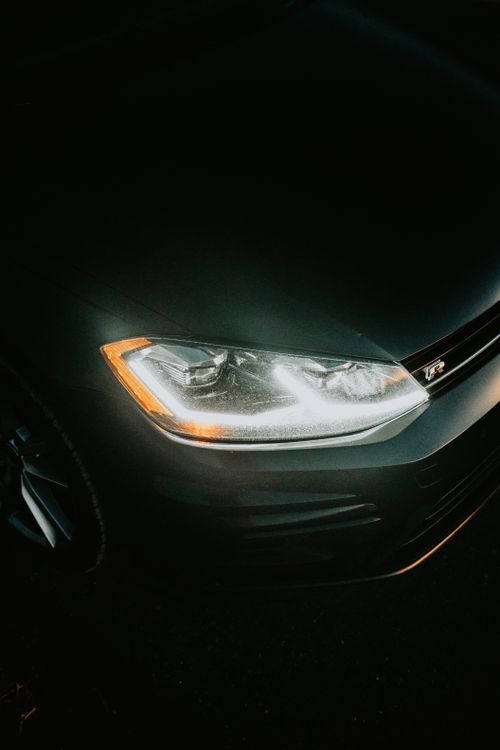
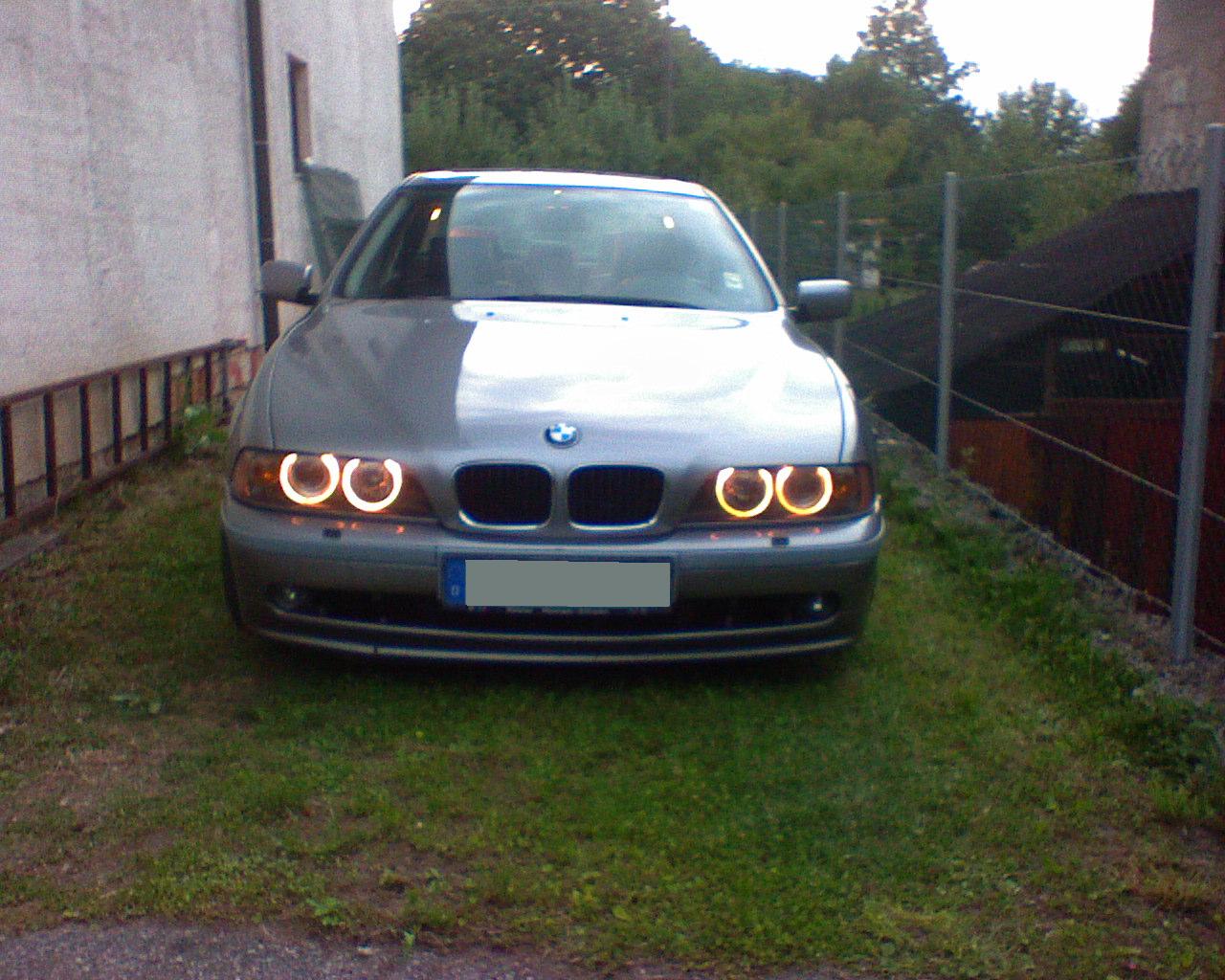
Halo projector headlights — also called angel eyes or corona rings — span a wide price range depending on RGB capability and build quality, from entry-level kits around $56–$80 up to premium RGB color-change setups reaching $475 for specific applications like a 2015–2021 Dodge Charger (TechGadgetPick, retrieved 2026-08-08). BMW introduced the design on the E39 in 2000, and it’s since become a popular aftermarket customization across nearly every vehicle class.
This guide covers what makes a halo headlight a “projector” model specifically, how single-color and RGB color-change options compare, what price tier actually buys additional features, and how this general category differs from vehicle-specific halo kits already covered on this site.
Key Takeaways
- Halo headlights (angel eyes, corona rings) originated on the BMW E39 in 2000 and have since become a widely available aftermarket customization.
- Pricing spans roughly $56–80 for entry-level RGB kits, $120–195 for mid-range options, and $300+ for premium projector setups with advanced features.
- The BraveWAY 5.75-inch model includes a razor-sharp cutoff and four lighting modes: high/low beam, white DRL, and amber turn halo.
- RGB color-change kits for specific applications like the 2015–2021 Dodge Charger can reach $475, reflecting the added electronics and app or remote control.
- A “projector” halo headlight combines the ring lighting element with a focused-beam projector lens, distinct from a reflector-style housing with a halo ring added on.
What Makes a Halo Headlight a “Projector” Model?
A projector halo headlight combines the halo ring — the illuminated circle inside the housing — with a projector-style lens that focuses the low-beam output into a controlled, cut-off beam pattern, rather than a simple reflector housing with a ring added for looks. That projector lens is what actually determines beam quality and glare control; the halo ring itself is a styling and DRL element layered on top, not what shapes the beam hitting the road. BraveWAY’s 5.75-inch model illustrates this distinction well, combining a razor-sharp cutoff projector with four lighting modes — high/low beam, white DRL, and an amber turn-signal halo — in an aluminum, IP67-rated housing (TechGadgetPick, retrieved 2026-08-08).
Single-Color vs. RGB Color-Change Halos
Entry-level halo kits run a single fixed color, usually white or amber, at the lower end of the price range around $56–80. RGB color-change kits add electronics that let you switch or cycle through colors, typically via a remote or app, and that added complexity is most of what pushes premium application-specific kits like the Dodge Charger option up to $475 (TechGadgetPick, retrieved 2026-08-08). If color-changing isn’t a feature you’ll actually use, a single-color kit delivers the same core halo look at a meaningfully lower price.
General Halo Kits vs. Vehicle-Specific Options
This guide covers general-market halo projector headlight kits and technology; if you’re specifically shopping for a Jeep, our halo headlights for Jeep guide covers RGB ring wiring and DRL compliance specific to that platform’s fitment and wiring harness quirks. For broader LED headlight housing options beyond halo-specific designs, our LED headlight conversion kit guide covers the certified-versus-uncertified distinction that applies to any aftermarket headlight housing, halo or otherwise.
Frequently Asked Questions
What’s the difference between halo headlights and angel eyes?
They’re the same thing — halo headlights, angel eyes, and corona rings all refer to the illuminated ring design inside the headlight housing, a term BMW popularized starting with the E39 in 2000.
Are RGB halo headlights worth the extra cost over single-color?
Only if you’ll actually use the color-changing feature. Single-color kits deliver the same core halo look at a meaningfully lower price than RGB application-specific kits.
Does the halo ring affect the headlight’s actual beam pattern?
No. The projector lens shapes the beam and cutoff; the halo ring is a styling and DRL element layered on top and doesn’t determine how well the low beam illuminates the road.
The Bottom Line
Decide whether RGB color-changing is a feature you’ll actually use before comparing price tiers — it’s the single biggest driver of cost difference in this category, not build quality alone. A single-color kit like BraveWAY’s delivers a genuine projector beam with the halo look at a moderate price; premium application-specific RGB kits make sense if color control matters to you specifically. If you’re shopping for a Jeep, check the Jeep-specific halo headlights guide first for wiring and DRL compliance details that don’t apply universally.