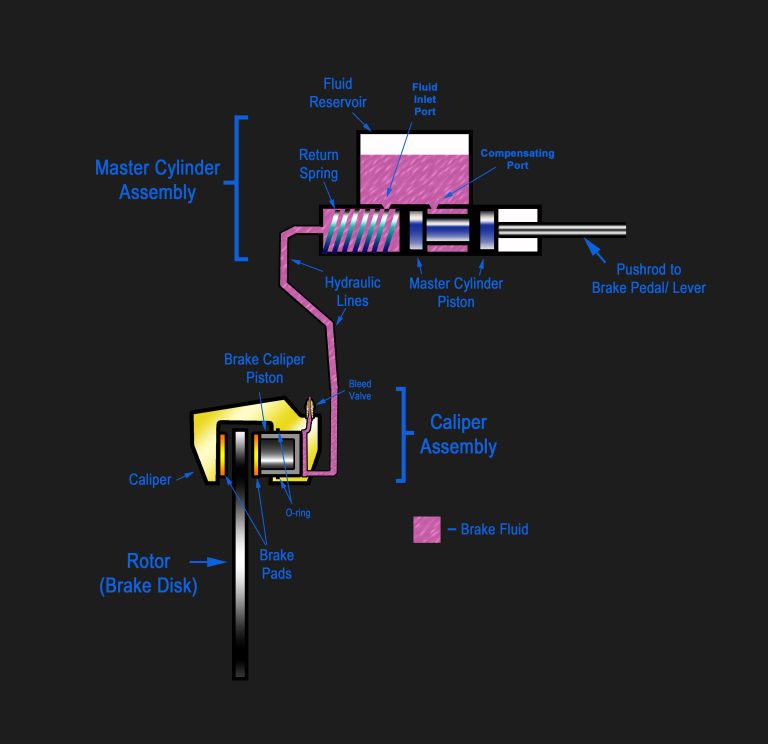
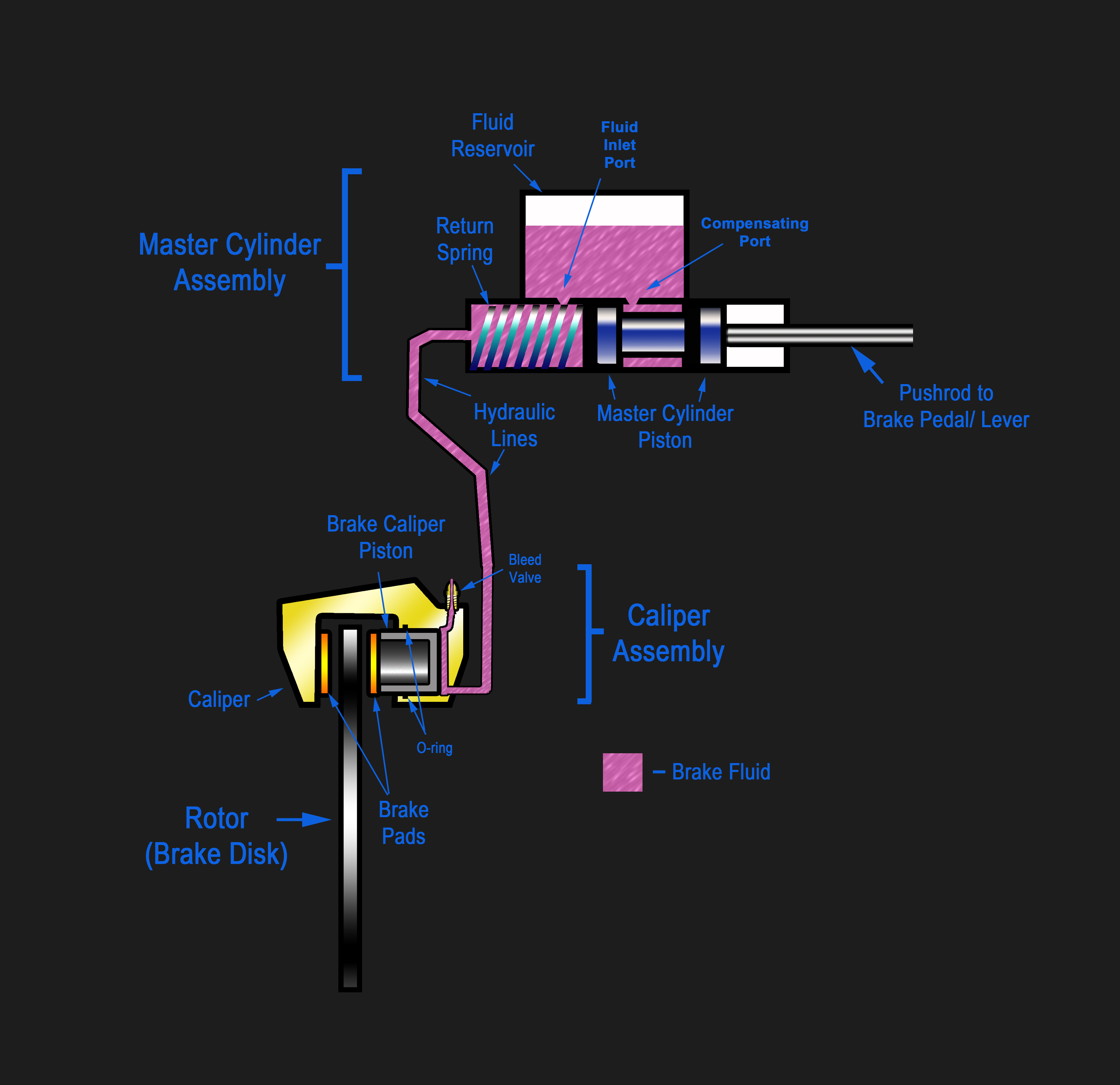
A manual pressure bleeder kit and an electric vacuum pump solve the same problem — getting trapped air out of a hydraulic brake system — through opposite mechanisms, and the difference matters more than brand when choosing between them. A pressure bleeder seals and pressurizes the master cylinder reservoir to push fluid through the lines and out at each bleeder screw, while a vacuum tool instead pulls fluid and air out from the caliper end, and that direction of flow is what separates the two categories’ real strengths and weaknesses (Phoenix Systems, retrieved 2026-08-08).
This guide covers the pressure and manual bleeder kits worth buying in 2026, why pressure bleeding handles an initial air-heavy bleed better than vacuum, what one-person bleeding actually requires from the kit itself, and how this category differs from the electric vacuum pump approach covered elsewhere on this site.
Key Takeaways
- A pressure bleeder pushes fluid from the master cylinder outward through the lines; a vacuum tool pulls fluid and air from the caliper end — opposite mechanisms, not just different brands.
- Pressure bleeding handles an initial, air-heavy bleed more reliably than vacuum, since a vacuum tool can pull outside air past an imperfect bleeder-screw seal and give a false read on remaining air.
- Motive Products’ “The Magnum Bleeder” starts at $149 and is built specifically for one-person brake and clutch bleeding without a second person pumping the pedal.
- The Mityvac MV8000 uses a hand pump for consistent manual vacuum pressure, requiring no electricity or shop air compressor.
- Vacuum tools remain the better pick for routine fluid flushes and topping off, where the risk of air-heavy trapped bubbles is lower than on a fresh system or after a caliper replacement.
The Brake Bleeder Kits Worth Buying
Motive Products “The Magnum Bleeder”
Starting at $149, the Magnum Bleeder is built specifically to let one person safely and effectively bleed hydraulic brake and clutch systems without a helper pumping the pedal (Motive Products, retrieved 2026-08-08).
Best for: solo DIYers and shops who don’t want to coordinate a second person for every bleed.
AGM Products Brake Bleeder Kit
AGM’s kit uses a constant-pressure system powered by compressed air to force old fluid and trapped air out quickly, aimed at shops that already have air lines set up (Mechanic Insider, retrieved 2026-08-08).
Best for: shops with an existing compressed-air setup who want the fastest possible bleed.
Langawaser Brake Bleeder Kit
This kit pairs a 3-liter pressure pump with a 1-liter waste fluid bottle and four adapters, plus a wrench for refilling brake fluid mid-job without breaking the pressure seal (Mechanic Insider, retrieved 2026-08-08).
Best for: DIYers who want a self-contained manual pressure kit without needing a compressor.
Mityvac MV8000
The MV8000 uses a hand pump for consistent manual vacuum pressure, requiring no electricity or shop air, which makes it the most portable option in this comparison (Mechanic Insider, retrieved 2026-08-08).
Best for: mobile mechanics or anyone who wants a kit that works anywhere without a power source.
Why Pressure Beats Vacuum for an Initial Bleed
A vacuum bleeder’s biggest limitation is what the industry calls the leak dilemma: if the seal at the bleeder screw isn’t perfect, the vacuum pulls outside air in past the threads rather than pulling trapped air out of the line, which can make a system look air-free on the gauge when it isn’t (Phoenix Systems, retrieved 2026-08-08). A pressure bleeder doesn’t have this failure mode in the same way, since it’s pushing fluid outward under positive pressure rather than relying on a perfect vacuum seal at each screw — that’s why pressure bleeding is the more reliable choice for a fresh system, a caliper or line replacement, or any job where the lines are genuinely full of air rather than just due for a fluid refresh.
Step-by-Step: Bleeding Brakes With a Pressure Bleeder
Start by topping off the master cylinder reservoir with fresh fluid of the correct type for your vehicle, then attach the pressure bleeder’s adapter cap to the reservoir opening, matching the adapter size to your reservoir’s specific diameter and thread pattern. Pressurize the bleeder to the manufacturer’s recommended PSI — typically in the 10–20 PSI range for most kits, though always check your specific bleeder’s instructions, since over-pressurizing can force fluid past seals it isn’t meant to challenge. Starting at the corner furthest from the master cylinder, open the bleeder screw slightly and let pressurized fluid push through until the stream runs clear of bubbles, then close the screw before moving to the next corner. Work through all four corners in the sequence specified by your vehicle’s service manual, since bleed order affects how efficiently trapped air clears the system.
Monitor the reservoir level throughout the process and top it off as needed — running the reservoir dry mid-bleed introduces fresh air into the system and forces you to restart that corner’s bleed from scratch. Once all four corners run clear, release the bleeder’s pressure, remove the cap, and check pedal feel: a firm, high pedal with no sponginess confirms a successful bleed, while a soft or sinking pedal means air remains somewhere in the system and the process needs to be repeated.
Common Mistakes That Waste a Bleed
The most common mistake with any bleeder kit, pressure or vacuum, is letting the reservoir run low during the bleed, which draws air back into the system through the same path you’re trying to clear it from. A close second is using the wrong adapter size on the reservoir cap, which either won’t seal properly under pressure or risks damaging the reservoir neck if forced. Reusing old, contaminated brake fluid in the bleeder’s reservoir is another frequent error — brake fluid is hygroscopic and absorbs moisture over time, and pushing old fluid through a fresh bleed defeats much of the purpose of doing the job at all. Finally, skipping the correct bleed sequence (typically the corner furthest from the master cylinder first) can leave air trapped in sections you’ve already “finished,” requiring a second pass through the whole system.
Maintaining Your Bleeder Kit
Rinse the bleeder’s reservoir and hose thoroughly after each use, since dried brake fluid residue can clog fittings and degrade seals over time. Check the pressure seal at the reservoir cap periodically for cracking or hardening, particularly if the kit sees infrequent use and sits stored for long stretches between jobs — a degraded seal is often the first sign a kit needs a replacement gasket before it fails mid-bleed. Store the kit with the reservoir empty and the pressure released to avoid unnecessary strain on seals and valves between uses.
How This Differs From an Electric Vacuum Pump
Our electric vacuum pump guide covers the powered vacuum side of this category — motorized units built around CFM airflow for pulling fluid and air out at the caliper. This guide instead covers manual pressure kits, which work by pushing fluid from the reservoir end and don’t rely on an electric motor at all. Neither approach replaces the other outright: a shop doing frequent full bleeds after brake work benefits from a pressure kit’s reliability on air-heavy jobs, while a vacuum pump remains a reasonable choice for routine flushes where the system isn’t starting from mostly air.
Choosing Fluid Type and Avoiding Contamination
Brake fluid comes in several DOT grades — DOT 3, DOT 4, and DOT 5.1 being the most common in modern vehicles — and they are not universally interchangeable, since each has a different boiling point, viscosity, and in DOT 5’s silicone-based case, a completely different chemistry that shouldn’t be mixed with the glycol-based DOT 3/4/5.1 fluids at all. Check your vehicle’s owner’s manual or the reservoir cap itself for the specified fluid type before filling your bleeder’s reservoir, and never assume “brake fluid” is a single interchangeable product across vehicles. Because glycol-based brake fluid is hygroscopic, it begins absorbing atmospheric moisture the moment its container is opened, which lowers its boiling point over time and increases the risk of vapor lock under hard braking. Buy fluid in a container size you’ll actually use within a reasonable window after opening, and never top off a bleeder’s reservoir with fluid from a container that’s been open for months, since that moisture-compromised fluid defeats much of the purpose of a fresh bleed.
Contamination is a related but separate risk: never let brake fluid contact painted surfaces, since it acts as an effective paint stripper, and always keep the bleeder’s reservoir and hose capped or sealed between uses to prevent dust and debris from settling in fluid you’ll use on a future job. If you notice discoloration, cloudiness, or particulate matter in fluid drawn from your vehicle during a bleed, that’s a sign of internal contamination in the brake system itself, not just an artifact of the bleeding process, and it may warrant a full fluid flush rather than a standard bleed.
Frequently Asked Questions
Should I use a pressure bleeder or a vacuum pump?
Pressure bleeding is more reliable for an initial, air-heavy bleed after brake work, since it doesn’t depend on a perfect vacuum seal at the bleeder screw. Vacuum works fine for routine flushes and topping off.
Can one person bleed brakes alone?
Yes, with a pressure bleeder like the Motive Magnum Bleeder or a vacuum tool like the Mityvac MV8000, both built specifically for solo operation without a second person pumping the pedal.
Do I need a compressor for a pressure bleeder?
Not necessarily. Kits like the Langawaser use a self-contained manual pump, while options like AGM’s rely on shop compressed air. Choose based on what you already have available.
How often should brake fluid be flushed, not just topped off?
Most manufacturers recommend a full fluid flush every two to three years regardless of mileage, since moisture absorption degrades brake fluid over time even without heavy use. Check your specific vehicle’s maintenance schedule, as intervals vary by manufacturer.
Can a bad bleed damage my brake system?
An incomplete bleed leaves air in the lines, producing a soft or spongy pedal and reduced braking performance rather than direct component damage, but running the reservoir dry during a bleed can introduce air into places that require a more involved secondary bleed to fully clear.
Matching a Kit to Your Vehicle Fleet
If you’re maintaining more than one vehicle, check that your bleeder’s adapter set actually covers each reservoir’s cap size and thread pattern before committing to a specific kit, since adapter compatibility varies more between manufacturers than most buyers expect going in. A kit with a broad, included adapter range saves you from buying separate adapter kits piecemeal down the line, which can add up in cost and complicate storage of an otherwise compact kit. For a single-vehicle household, this matters less, and a kit bundled with just the adapter your vehicle needs is a reasonable, lower-cost choice.
The Bottom Line
Choose a pressure bleeder kit like the Motive Magnum Bleeder or Langawaser for reliable, air-heavy initial bleeds after brake service, and lean on a vacuum tool for routine flushes where the risk of a false “no air” reading matters less. If you’re deciding between this category and a powered vacuum pump specifically, our electric vacuum pump guide covers that motorized alternative in detail.