
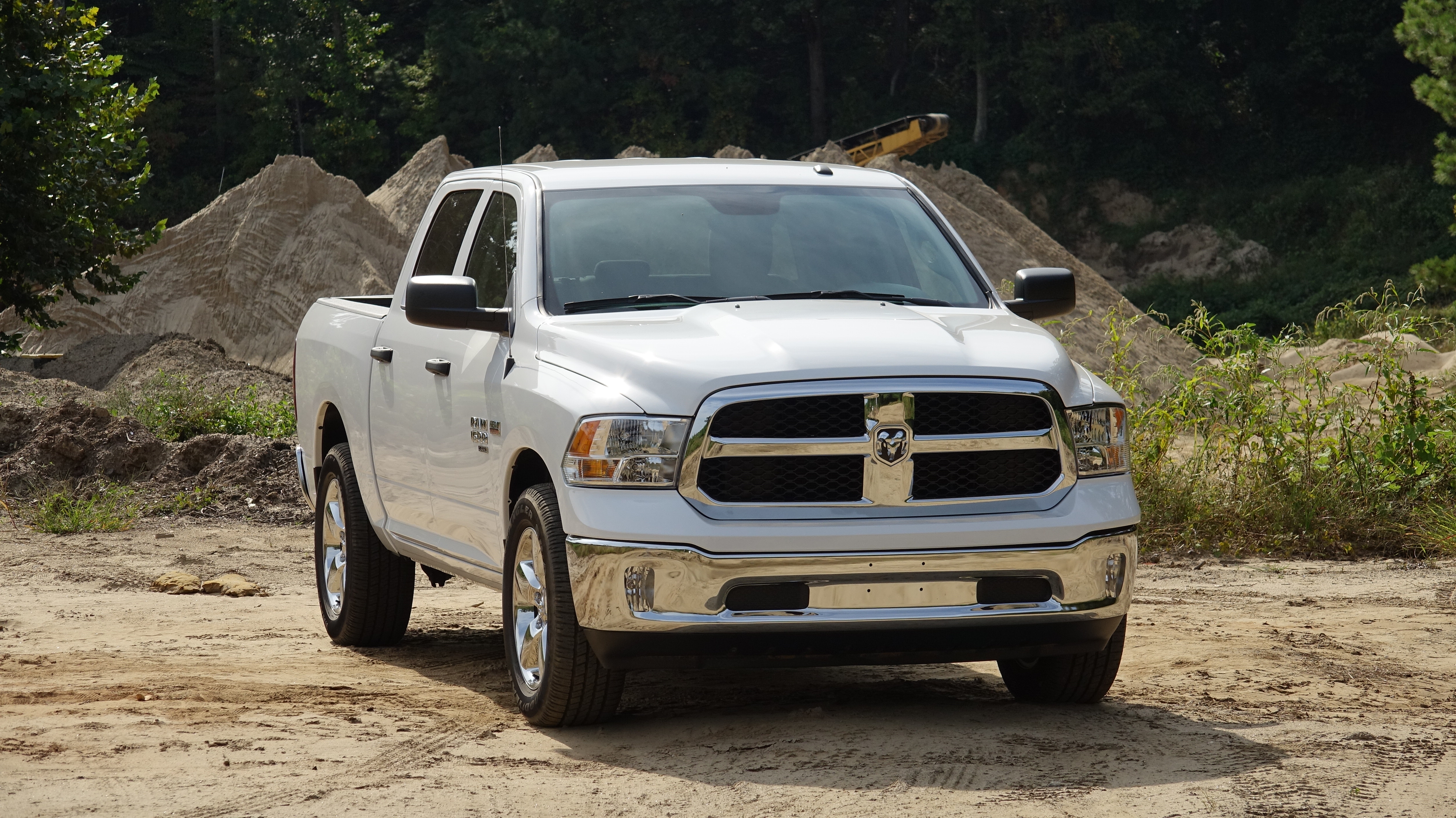
Cab step height on a modern half-ton pickup has crept past 24 inches at the rocker panel on many 4×4 trims, and it climbs well past 27 inches once a 2-to-3-inch leveling kit and larger tires are added, according to measurements compiled by RealTruck. That’s not a bed-rail or roof-rack number — it’s the height a driver, a passenger, or a kid has to clear just to get into the seat. A tire-mounted step or a hitch step can help someone reach the bed or the tailgate, but neither one does anything for the door. The fix for that specific problem is hardware that bolts to the truck’s frame and runs along the rocker panel, under the doors, from roughly the front wheel well to the rear: a nerf bar, a running board, or a powered retractable step. It’s a completely different mounting point and mechanism from anything that clamps to a tire or slides into a hitch receiver, and it’s the difference between a truck that’s genuinely easy to get in and out of and one that just looks tall in the driveway.
Key Takeaways
- Nerf bars, running boards, and power steps all mount to the truck’s frame along the rocker panel, under the doors — a completely different location and job from a tire-clamp step or a hitch-mounted step.
- Tubular nerf bars typically hold 300-500 lbs and favor a rugged, minimal look; flat running boards are wider and favor stability for kids and older passengers; powered steps retract flush with the body when not in use.
- Step height at the rocker panel commonly runs 8-11 inches off the ground on stock trucks and can exceed 14-16 inches once a lift kit and larger tires are added — the exact gap this hardware is built to close.
- Bolt-on kits generally run $150-$500, while powered retractable steps like the AMP Research PowerStep run $1,000-$1,400 installed.
- Need bed or roof access instead of cab entry? See our guide to the best truck tire steps — a completely different tool that clamps onto the tire itself rather than mounting to the frame.
Nerf Bar vs. Running Board vs. Power Step: What’s Actually Different
All three of these mount in the same place — bolted to the truck’s frame, running along the rocker panel from somewhere near the front wheel well back to somewhere near the rear wheel well — but the design goals are different enough that picking the wrong one leaves you with hardware that technically works and still doesn’t solve the problem you bought it for.
A nerf bar is the minimalist option: a tubular steel or aluminum bar, usually 3 to 4 inches in diameter, with small stamped or drop steps welded on at the door openings. It started as an off-road part meant to protect the rocker panel from rocks and trail debris, and it still reads that way — narrow, rugged, low-profile, and more about body protection than about a wide, stable place to stand. It’s the right call for a truck that sees trail use and needs ground clearance preserved, but it’s a compromise as a step: the contact patch is small, and stepping onto a wet, round tube in work boots takes some getting used to.
A running board is the opposite trade-off: a flat, wide aluminum or composite panel that runs the full length of the cab, sometimes with a molded non-slip surface. It sacrifices some ground clearance and a bit of that rugged look, but it gives kids, older passengers, and anyone carrying gear a full-length, stable place to plant a foot anywhere along the door opening rather than a fixed drop-step point. For a family truck that’s rarely off-road, a running board is usually the more practical everyday choice.
A power or retractable step splits the difference by hiding the compromise: it tucks up flat against the frame rail when the doors are closed, then motors down to a flat step surface when a door opens or a sensor detects a foot nearby. It preserves departure and breakover angles for a truck that occasionally goes off pavement while still giving a wide step surface at the door. It’s also the most mechanically complex and most expensive option, with motors, linkages, and wiring that a fixed nerf bar or running board simply doesn’t have to worry about.
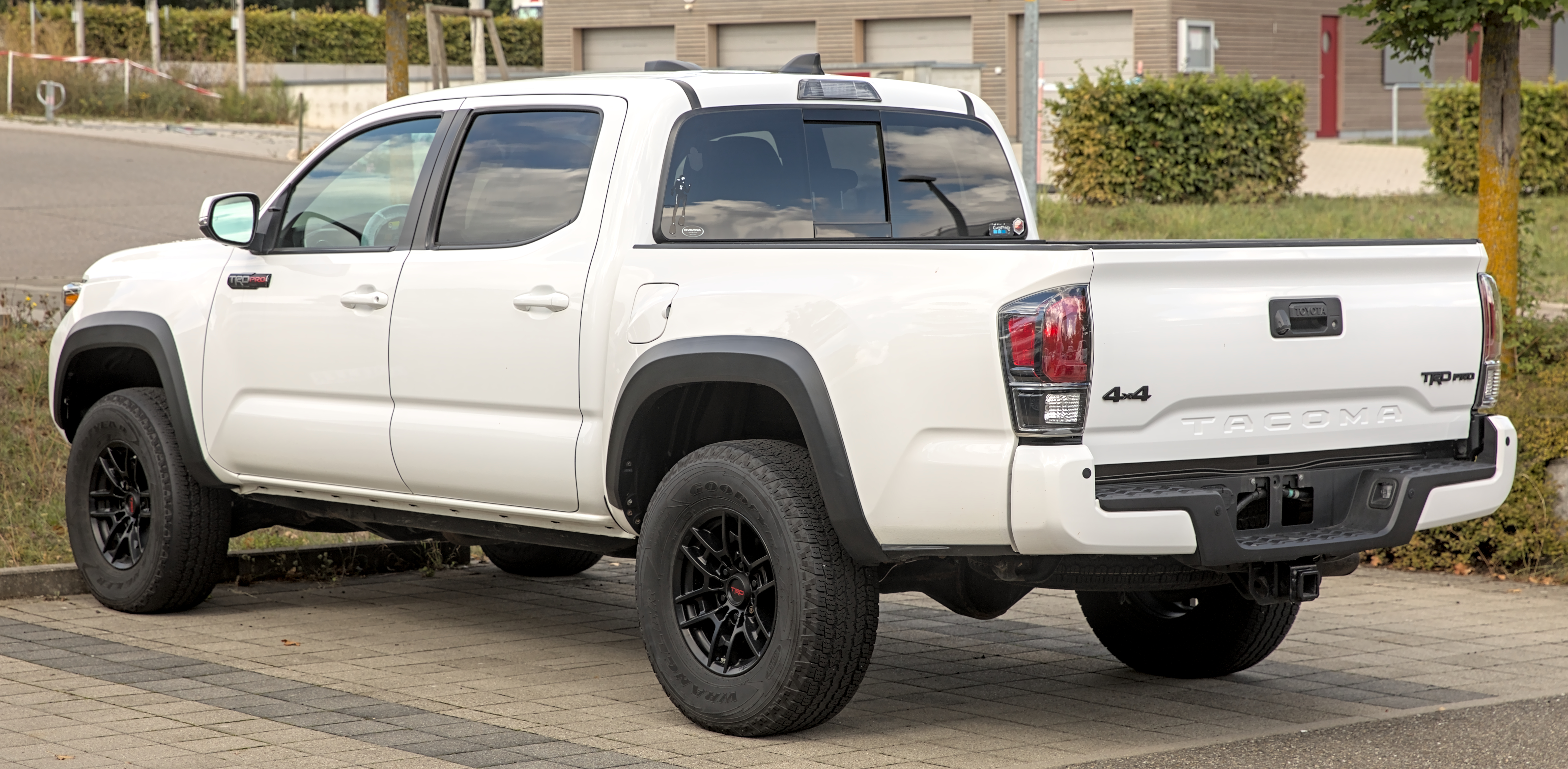
Ergonomics matter more on a lifted truck than the spec sheet suggests. Most adults comfortably step up 8-10 inches without needing to grab a handle or brace against the door frame; beyond about 12 inches, a large share of drivers start reaching for the steering wheel or the door to pull themselves up, which is hard on shoulders over years of daily use and genuinely difficult for kids, older passengers, or anyone with a knee or hip issue. A 2-3 inch leveling kit paired with 33s or 35s can push a factory rocker panel from a comfortable 9 inches to 14 or more, which is well past that comfortable threshold. Step placement matters too — a step that sits too far outboard forces an awkward lateral lunge instead of a straight step-up, and one mounted too far forward or rearward of the door opening does the same thing in the other direction. The best side steps split the difference: full-length coverage so the step is always under the door no matter where you plant a foot, sized closely to the body rather than stuck out several inches wider than the mirrors.
The Best Truck Side Steps Worth Buying
1. AMP Research PowerStep
The PowerStep is the standard the rest of the powered-step category gets measured against: a pair of aluminum steps that retract flush under the rocker panel when the doors are closed and deploy automatically in about a second when a door opens, with a UV-stabilized textured tread and integrated LED puddle lights on most kits. It draws from the truck’s electrical system and installs using existing frame mounting points on most factory-listed applications, no drilling required. The tradeoff is price and complexity — there’s a motor and linkage assembly per side that a fixed bar simply doesn’t have.
Price: approximately $1,000-$1,400 installed
Weight capacity: around 300 lbs dynamic per step
Best for: owners who want a wide, flat step without sacrificing ground clearance or the truck’s stock silhouette when parked.
2. Westin HDX Drop Nerf Step Bars
Westin’s HDX line is a heavy-gauge steel tubular nerf bar with wide, drop-down step pads welded directly under each door opening, finished in a textured black powder coat that shrugs off trail scrapes. It’s built for trucks that actually see rocks and ruts, prioritizing rocker-panel protection and ground clearance over a full-length flat surface. Mounting brackets are vehicle-specific and bolt to existing frame holes on most applications.
Price: approximately $300-$450
Weight capacity: approximately 300 lbs per step
Best for: off-road-driven trucks that want rocker-panel protection as much as a place to step.
3. N-FAB Podium Step Bars
N-FAB’s Podium line uses a wide, rectangular tube construction rather than a round nerf bar tube, which gives it more of a running-board-style contact patch while keeping the rugged, exposed-bar aesthetic. The step pads are oversized compared to a typical nerf bar, and the textured black finish is applied after welding for full coverage, including inside the tube joints where rust tends to start on cheaper bars. It sits closer to the body than many nerf bars, which helps keep the truck’s overall width down.
Price: approximately $400-$600
Weight capacity: approximately 300-350 lbs per step
Best for: buyers who want the rugged nerf-bar look with a wider, more stable step surface.
4. Go Rhino Dominator Xtreme D2 Side Steps
The Dominator Xtreme D2 is built around a full-length, low-profile aluminum step board with a deeply serrated tread pattern designed to stay grippy in mud and snow, mounted close to the body to minimize the amount the truck’s overall width grows. It’s a running-board-first design rather than a nerf-bar-first one, aimed at owners who want the widest practical step surface without going to a powered system. Go Rhino rates the step among the higher static load capacities in the bolt-on category.
Price: approximately $350-$550
Weight capacity: approximately 500 lbs static
Best for: families and fleet trucks that need a durable, full-length step that can take repeated heavy use.
5. Lund Terrain HX Step Bars
Lund’s Terrain HX bars use an oval tube profile that splits the difference between a round nerf bar and a rectangular running board, with a wide, drop-down step surface and a black textured powder coat. They’re a mid-price option that leans toward everyday drivability rather than trail duty, and Lund includes vehicle-specific mounting brackets rated for no-drill bolt-on installation on most factory-listed trucks.
Price: approximately $250-$400
Weight capacity: approximately 300 lbs per step
Best for: daily-driver trucks that want a clean look and easy bolt-on install without a big price tag.
6. ARIES AdvantEDGE Side Bars
ARIES’ AdvantEDGE line is a flat-panel side bar rather than a round tube, using a wide, textured aluminum tread with integrated step pads molded into the design instead of welded-on add-ons. It’s aimed squarely at the running-board buyer who wants a factory-look finish rather than an aftermarket-looking bolt-on bar, and it’s sold with application-specific brackets for a no-drill install.
Price: approximately $300-$500
Weight capacity: approximately 300 lbs per step
Best for: owners who want a running board that reads as a factory option rather than an aftermarket accessory.
7. Raptor Series OEM Style Running Boards
Raptor Series’ OEM Style boards are built to mimic the factory running boards many trucks offer as a dealer-installed option, using a wide aluminum step panel with a rubberized non-slip tread and rocker panel-hugging mounting brackets. They’re consistently among the lower-cost full-length running boards on the market without dropping to bare-bones stamped-steel quality, which makes them a common pick for buyers cross-shopping against a factory option that costs two to three times as much.
Price: approximately $150-$300
Weight capacity: approximately 300 lbs per step
Best for: budget-conscious buyers who want factory-look running boards without the factory price.

Step Height Comparison
Ride height, not the step itself, is usually what decides which category of side step actually solves the problem. A stock half-ton with the factory running board option often sits close enough to the ground that even a minimal nerf bar closes the gap comfortably; a leveled truck on 35s needs a full-length board or a power step just to get back into the comfortable step-up range.
Weight Capacity Comparison
Static weight capacity varies more across this category than in the tire-step category, mostly because the mounting hardware ranges from a lightweight nerf bar bracket to a full running-board frame cross-brace. A full-length aluminum board with reinforced brackets, like the Go Rhino Dominator Xtreme D2, generally holds more static load than a tubular nerf bar, simply because the load is spread across a longer, wider platform.
Spec Comparison
| Model | Style | Install | Rating | Approx. Price |
|---|---|---|---|---|
| AMP Research PowerStep | Powered, retractable | Frame mount, wired | ~300 lbs | $1,000-$1,400 |
| Westin HDX | Tubular nerf bar | Bolt-on, no drill | ~300 lbs | $300-$450 |
| N-FAB Podium | Rectangular step bar | Bolt-on, no drill | ~325 lbs | $400-$600 |
| Go Rhino Dominator Xtreme D2 | Full running board | Bolt-on, no drill | ~500 lbs | $350-$550 |
| Lund Terrain HX | Oval step bar | Bolt-on, no drill | ~300 lbs | $250-$400 |
| ARIES AdvantEDGE | Flat panel side bar | Bolt-on, no drill | ~300 lbs | $300-$500 |
| Raptor Series OEM Style | Full running board | Bolt-on, no drill | ~300 lbs | $150-$300 |
How to Choose the Right Side Step for Your Truck
Start with how the truck is actually used. A truck that spends real time on trails should lean toward a nerf bar or a power step that preserves breakover angle — a wide running board hanging low off the rocker panel is the first thing to catch a rock or a rutted trail edge. A truck that’s mostly a daily driver, especially one hauling kids or older passengers regularly, benefits far more from a full-length running board’s wide, stable tread than from a nerf bar’s narrow drop-step.
Match the step to how tall the truck actually sits, not just the category it falls into. A stock or mildly leveled half-ton is usually fine with any style in this guide. A truck running a 3-inch lift and 37-inch tires needs either a running board with the widest practical step surface or a powered step that deploys down to meet the driver, since a fixed nerf bar at that ride height can still leave a step-up in the 12-14 inch range that’s uncomfortable for a lot of passengers. Check the width, too — some bars extend several inches past the mirrors, which changes how the truck fits in a garage or a narrow parking spot, while body-hugging designs like the N-FAB Podium or ARIES AdvantEDGE keep overall width closer to stock.
This is squarely a cab-entry and exit accessory, not a bed- or roof-access one. Need bed or roof access instead of cab entry? See our guide to the best truck tire steps, which covers steps that clamp onto the tire itself to reach a bed rail, a roof rack, or a rooftop tent — a completely different mounting point and mechanism from anything on this list. If your truck runs a roof cargo basket or roof rack cross bars, you’ll likely want both categories on the same truck: a side step for the doors, and a tire step for the roof. Owners who also run a truck bed bike rack or a tailgate lock should note that neither accessory interferes with a side step mounted along the rocker panel, since they occupy entirely different parts of the truck.
FAQ
What’s the difference between a nerf bar and a running board?
A nerf bar is a round or oval tubular bar with small drop-down step pads at each door, built more for rocker-panel protection than a wide standing surface. A running board is a flat, full-length panel that gives a stable place to step anywhere along the door opening. Both mount to the same frame points along the rocker panel.
Will a side step lower my truck’s ground clearance or approach angle?
Yes, to some degree — any hardware added along the rocker panel sits below the factory sill line and can become the new lowest point on the side of the truck. Nerf bars and power steps that tuck up flat when retracted preserve more clearance than a fixed, low-hanging running board, which is why off-road-focused trucks tend toward those styles.
Can I install a side step myself, or do I need a shop?
Most bolt-on nerf bars and running boards use existing frame mounting holes and can be installed at home in 1-3 hours with basic hand tools and a torque wrench. Powered steps like the AMP Research PowerStep add an electrical connection to the truck’s wiring, which some owners still do themselves but others prefer to have installed by a shop.
Do side steps interfere with towing or trailer hitches?
No. Side steps mount along the rocker panel between the wheels, entirely separate from the hitch receiver at the rear bumper, so they don’t affect towing capacity or block a trailer connection the way a hitch-mounted step accessory can.
How is a side step different from a tire step?
A side step bolts permanently to the truck’s frame along the rocker panel to help with getting in and out of the cab through the doors. A tire step is a portable, unbolted accessory that clamps onto a tire’s tread to reach the bed, a roof rack, or other side-of-truck points above the doors. See our best truck tire step guide for that category specifically.
The Bottom Line
Cab entry and exit is a rocker-panel problem, and the fix lives at the rocker panel — bolted to the frame under the doors, not clamped to a tire or slotted into a hitch receiver. For most daily-driven trucks, a full-length running board like the Go Rhino Dominator Xtreme D2 or the budget-friendly Raptor Series OEM Style board gives the widest, most stable step for the money. Trucks that see real trail use are usually better served by a tubular nerf bar like the Westin HDX or N-FAB Podium, which trades some step width for preserved ground clearance. And owners who want the best of both — full step coverage with nothing hanging below the rocker panel when it’s not needed — should look at a powered option like the AMP Research PowerStep, at a real price premium over any fixed bar. Whichever you choose, measure your truck’s actual rocker panel height first, especially if it’s been leveled or lifted, and size the step to that number rather than to the category name alone.