
Wheel cylinders come in bore sizes ranging roughly from 11/16 inch up to 1-3/4 inch, and the part itself is inexpensive — often $7–$24 — while a professional replacement, including labor, typically runs $220–$357 (RepairPal, retrieved 2026-08-08). Getting the bore size wrong is the most common ordering mistake in this category, since a cylinder that looks similar in photos won’t seal or apply correct pressure if the bore doesn’t match your specific brake size.
This guide covers what a wheel cylinder actually does in a drum brake system, why bore size has to match your specific rear brake setup, when to replace wheel cylinders alongside brake shoes, and what quality features separate a reliable replacement from a budget part.
Key Takeaways
- Wheel cylinders sit at the top of each drum brake assembly and push the brake shoes outward against the drum when you press the pedal.
- Common bore sizes range from 11/16 inch up to 1-3/4 inch — match the bore to your specific vehicle’s rear brake size, not just the general model.
- Parts cost roughly $7–$24 each; professional replacement including labor runs $220–$357 on average.
- Replace wheel cylinders whenever you replace brake shoes, rather than reusing old cylinders with new shoes.
- Look for EPDM rubber cups and boots with a surface-tested bore for a reliable seal; ACDelco, Dorman, A-Premium, and First Stop are commonly available brands.
What a Wheel Cylinder Actually Does
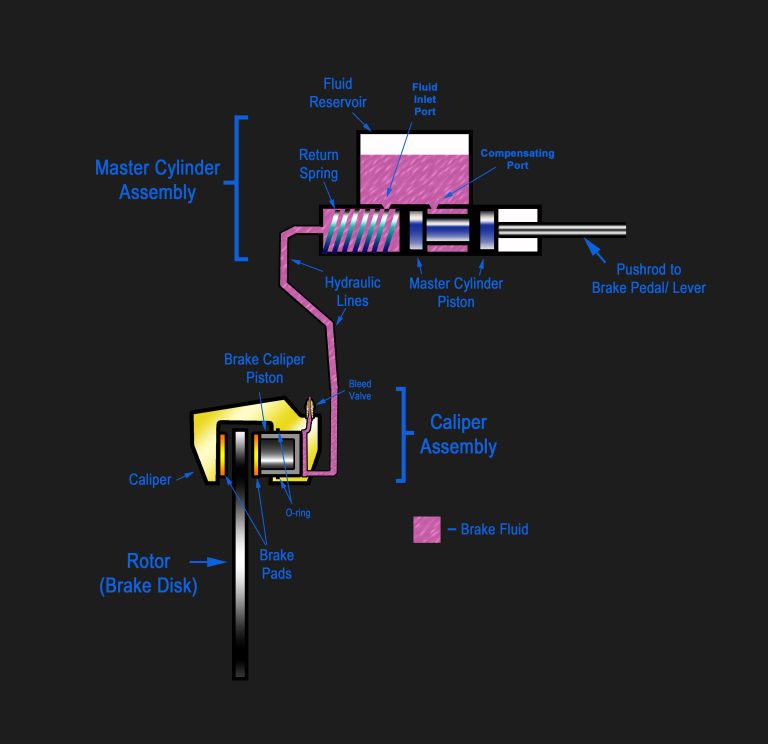
A wheel cylinder is the hydraulic component in a drum brake system that converts brake fluid pressure into mechanical force, positioned at the top of the brake assembly above the shoes. When you press the brake pedal, hydraulic pressure pushes the wheel cylinder’s pistons outward, which in turn pushes the brake shoes against the inside of the drum — the friction between shoe and drum is what actually stops the wheel. If a wheel cylinder is leaking or seized, that force either doesn’t transfer correctly or transfers unevenly, which shows up as weak, spongy, or pulling brakes on that corner of the vehicle.
Why Bore Size Has to Match Exactly
Wheel cylinders are sized to different bore diameters because different vehicles — and often different trims of the same vehicle — use different rear brake sizes, and the cylinder’s bore has to match the brake shoe and drum assembly it’s paired with (Grassroots Motorsports Forum, retrieved 2026-08-08). A cylinder with the wrong bore diameter either won’t generate correct clamping force or won’t physically fit the backing plate correctly. Confirm your exact bore size against your vehicle’s specification rather than assuming a generically similar-looking part will work — common bore sizes span 11/16 inch, 3/4 inch, 13/16 inch, 7/8 inch, 15/16 inch, 1 inch, up through 1-3/4 inch.
Replace Wheel Cylinders With Brake Shoes, Not After
Wheel cylinders should be replaced whenever brake shoes are replaced, rather than reusing old cylinders with new shoes, since a cylinder nearing the end of its service life is more likely to leak or seize soon after a shoe replacement, forcing a second teardown of the same brake assembly (Parts Geek, retrieved 2026-08-08). Given the part itself costs a fraction of the labor to access it, replacing both together during the same job is the more cost-effective approach than waiting for the old cylinder to fail on its own timeline. If you’re comparing this against a full drum brake overhaul, our brake drum guide and brake shoes guide both cover the other components worth inspecting in the same service.
Frequently Asked Questions
What does a wheel cylinder do?
It converts hydraulic brake fluid pressure into mechanical force, pushing the brake shoes outward against the drum to create the friction that stops the wheel.
What bore size wheel cylinder do I need?
Confirm your exact vehicle’s rear brake bore size specification rather than assuming a similar-looking part fits. Common sizes range from 11/16 inch up to 1-3/4 inch, and different trims of the same model can use different sizes.
Should I replace the wheel cylinder when I replace brake shoes?
Yes. Replacing both in the same job is more cost-effective than risking a cylinder failure shortly after a shoe replacement, which would require accessing the same assembly a second time.
The Bottom Line
Confirm your exact bore size before ordering a wheel cylinder — it’s the single most common mistake in this category, and a mismatched bore won’t seal or apply correct force even if the part looks right in photos. Replace wheel cylinders alongside brake shoes rather than waiting for them to fail separately, since the part cost is minor compared to the labor of accessing the assembly twice. Look for EPDM rubber cups and a surface-tested bore from established brands like ACDelco, Dorman, or A-Premium for a reliable seal.