Garrett’s GT-series lineup spans an enormous performance range within a single naming convention, and picking the right frame size for a street build matters more than picking the right brand: the GT2860RS (GT28RS) is rated for roughly 350 hp at $1,175, while the GT3076R (GT30R) climbs to over 500 hp at $1,695 (ATP Turbo, retrieved 2026-08-10). Most Garrett turbo kit shoppers who end up disappointed picked a frame size for a horsepower goal they’ll never actually reach, not because they bought the wrong brand.
This hub guide compares Garrett’s mainstream GT-series street-car turbos — GT28 through GT35 — and links out to our dedicated GT45 guide for anyone whose build has already outgrown this range into serious big-block or heavily-built engine territory.
Key Takeaways
- Garrett’s GT-series model numbers encode compressor and turbine sizing, and roughly correlate to horsepower capacity within a given frame family.
- The GT2860RS (GT28RS) targets roughly 350 hp builds; the GT3076R (GT30R) reaches over 500 hp — a meaningful step up within the same general size class.
- Ball bearing variants (the “R” designation) spool faster and reduce lag compared to journal bearing equivalents at the same frame size.
- Complete turbo kit pricing runs well above the individual turbo’s price once piping, intercooler, and installation hardware are included.
- Garrett’s GT45 sits in an entirely different tier — 1,000-1,200+ hp — and is the wrong frame size for the overwhelming majority of street builds.
Reading Garrett’s GT Model Numbers
Garrett’s GT naming convention encodes compressor and turbine sizing rather than a direct horsepower figure, which is why two GT-series turbos with similar-looking model numbers can have meaningfully different capacity depending on the specific compressor and turbine combination. The general pattern within the GT28-GT35 range that most street builds shop in: larger numbers generally mean larger compressor and turbine wheels, more airflow capacity, and a correspondingly higher horsepower ceiling, but also more turbo lag at low RPM since a physically larger turbine takes more exhaust energy to spin up. Confirm the specific compressor and turbine trim for any GT-series turbo you’re considering rather than assuming the base model number alone tells you everything about how it’ll perform on your engine.
GT28: The Entry Point for Serious Street Builds
The GT2860RS, commonly called the GT28RS, is rated around 350 hp and priced at $1,175, positioning it as a common entry point for a first serious turbo upgrade on a four-cylinder or smaller six-cylinder street build (ATP Turbo, retrieved 2026-08-10). At this frame size, spool-up is relatively quick, which matters for street driveability where you want boost to build well before redline rather than only at the top of the rev range. This is the frame size most buyers should start with for a moderate power goal on a stock or lightly built bottom end, since it avoids the excess lag a larger frame introduces without a corresponding street benefit.
GT30: The Step Up for 500+ HP Goals
The GT3076R (GT30R) climbs to over 500 hp capacity at $1,695, a genuine step up from the GT28 class that suits builds targeting significantly more power, typically alongside supporting modifications like a built bottom end, upgraded fueling, and a properly sized intercooler (ATP Turbo, retrieved 2026-08-10). The tradeoff for that higher ceiling is more noticeable lag at low RPM compared to a GT28, since the larger turbine needs more exhaust flow to spin up to boost threshold. This frame size makes sense specifically when your power goal genuinely requires it — sizing up “for headroom” on a build that will realistically stay under 400 hp just adds lag without a corresponding benefit.
Ball Bearing vs. Journal Bearing: The “R” Designation
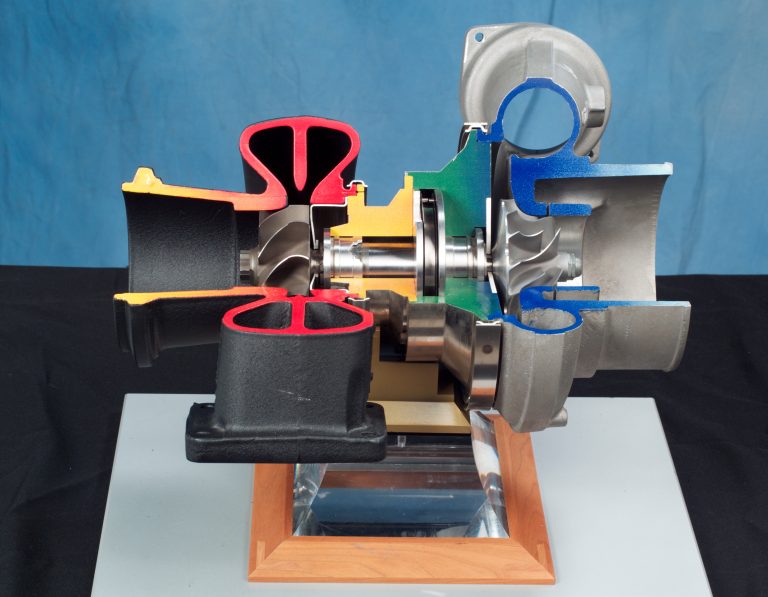
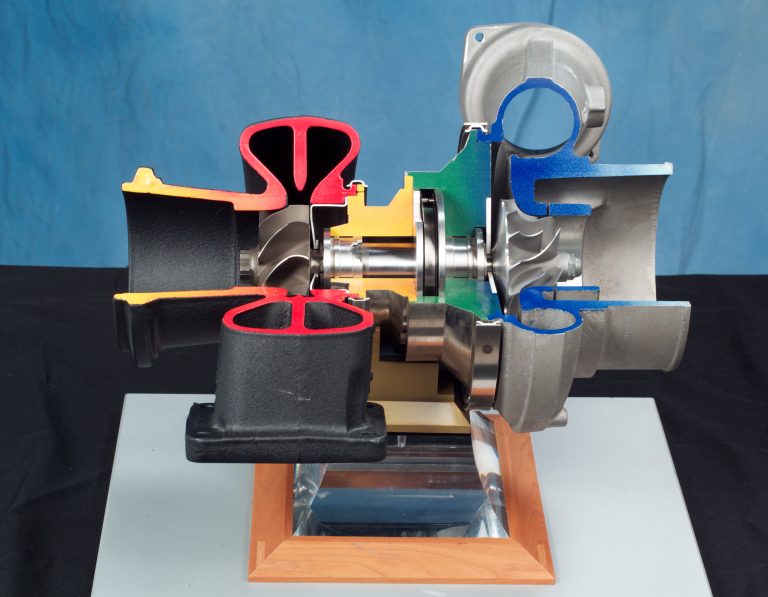
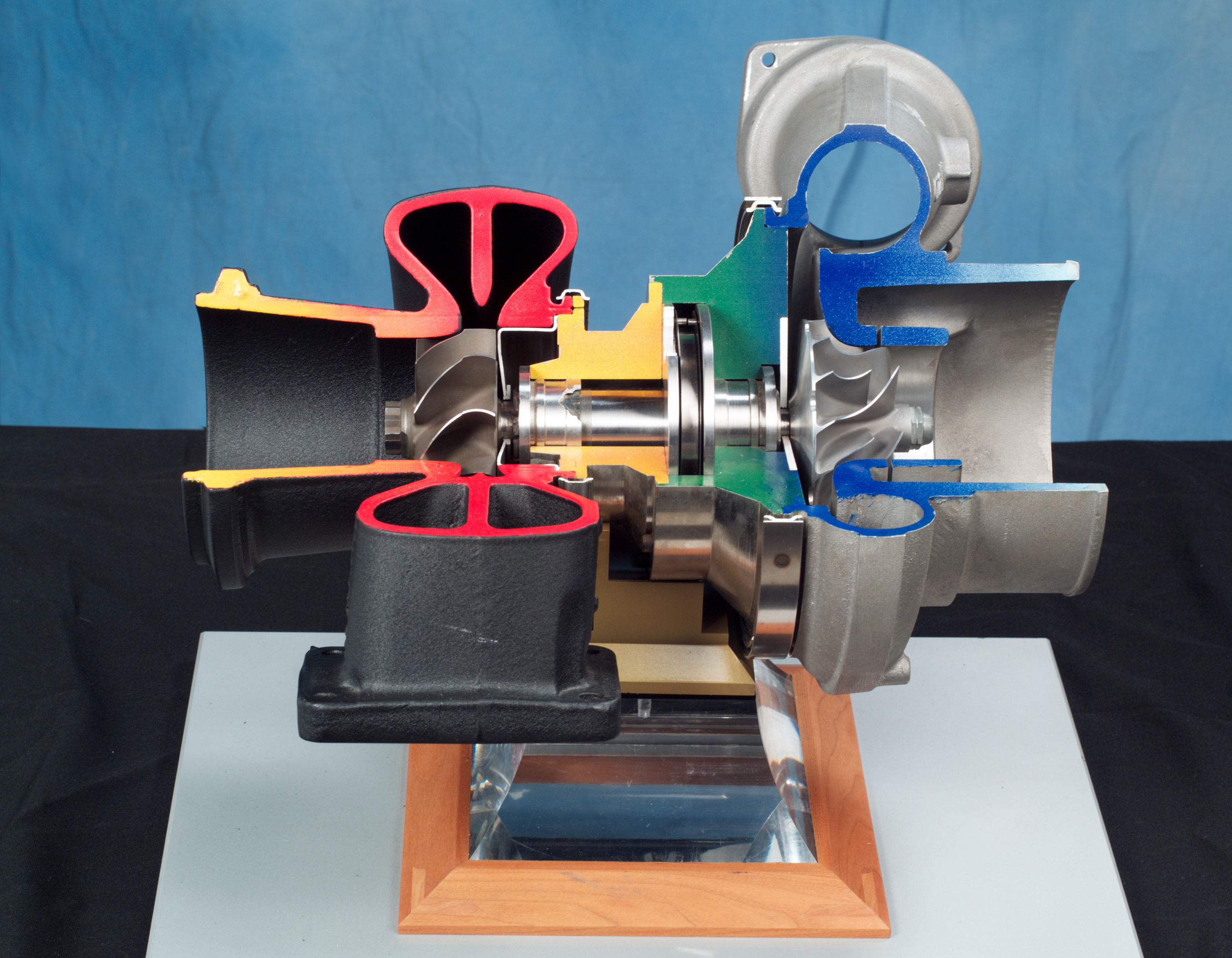
The “R” in model names like GT28RS or GT30R indicates a ball bearing center cartridge rather than the traditional journal (fluid) bearing design, and this distinction affects spool characteristics directly. Ball bearing turbos spool faster and reduce lag at a given frame size compared to a journal bearing equivalent, since the ball bearing design has less internal friction for the shaft to overcome getting up to speed. The tradeoff is typically a higher purchase price for the ball bearing variant and, depending on the specific model, sometimes a slightly narrower operating tolerance for oil quality and change intervals. For a street build where throttle response matters, the ball bearing premium is usually worth paying; for a budget-focused build less sensitive to lag, a journal bearing turbo at the same frame size delivers similar peak capacity for less money.
GT35 and Beyond: When You’ve Outgrown GT28-GT30
Builds pushing toward 600-700+ hp on a genuinely built engine start moving into GT35 territory and beyond, where turbine and compressor sizing increases further and lag becomes a more serious tradeoff for peak capacity. At this tier, supporting modifications — a forged bottom end, upgraded head studs, a properly sized fuel system — typically need to already be in place or planned alongside the turbo itself, since the increased boost potential this frame size unlocks will find the weakest link in an otherwise stock engine quickly. If your build genuinely needs this much capacity, confirm every supporting system is sized to match before committing to the turbo purchase alone.
Complete Kit Cost vs. Turbo-Only Pricing
The prices quoted above reflect the turbocharger unit alone, not a complete installation kit — a full turbo kit adds piping, an appropriately sized intercooler, wastegate, blow-off valve, and often a manifold and downpipe, which meaningfully increases total project cost beyond the turbo’s sticker price. Budget realistically for the complete system rather than anchoring your budget expectations on the turbo price alone, since underfunding the supporting components (particularly the intercooler and piping) leaves real performance on the table even with a correctly sized turbo. Our turbo intercooler guide covers FMIC, top-mount, and air-to-water options worth pairing with any GT-series build, and our turbo rebuild kit guide covers what maintaining a turbo like this looks like once it’s logged real mileage.
Genuine Garrett vs. Counterfeit Parts
The aftermarket turbo market includes a real problem with counterfeit or misrepresented “Garrett” parts, particularly for popular frame sizes like the GT28 and GT30 that see high demand. Buy from established, reputable retailers who source directly from Garrett or verified authorized distributors, and be skeptical of prices significantly below the going market rate for a genuine unit, since that’s the most common signal of a counterfeit or gray-market part. A counterfeit turbo may look externally similar but often uses inferior bearing materials or looser manufacturing tolerances, which can lead to premature failure well before a genuine unit’s expected service life, making the upfront savings a false economy in most cases.
When You Need the GT45 Instead
If your build’s power goals have moved well beyond what a GT28-GT35 frame can support — genuinely targeting 1,000+ hp on a big-block or heavily built engine — the mainstream GT-series lineup covered here is the wrong shopping list entirely. Our dedicated GT45 turbo guide covers that far larger frame size specifically, including why it’s the wrong choice for the vast majority of builds that end up buying it anyway. For nearly every street car and even most serious track builds, the GT28-GT35 range covered in this guide is the correct shopping list; reserve the GT45 for builds that have a genuine, verified need for four-digit horsepower capacity.
Genuine vs. Aftermarket Housing Configurations
Garrett’s GT-series turbos are commonly sold with a range of housing configurations — different A/R ratios, T3 or T4 flanges, internal or external wastegate provisions — and matching the housing spec to your specific manifold and application matters as much as picking the right core cartridge size. A/R ratio in particular affects spool characteristics independently of the compressor and turbine wheel size itself: a smaller A/R spools faster but restricts peak flow slightly, while a larger A/R does the opposite. Confirm your manifold’s flange type and your wastegate setup (internal vs. external) before ordering a specific housing configuration, since a mismatched flange or missing wastegate provision adds unplanned cost and delay to get the correct parts.
Oil and Coolant Feed Requirements
Ball bearing GT-series turbos generally have specific oil feed and drain requirements to keep the bearing cartridge properly lubricated under sustained boost, and some configurations also call for a coolant feed to manage heat soak at the center section after shutdown. Verify your specific turbo’s feed and drain requirements against your engine’s oiling system capability before installation, since an inadequate oil feed line size or a drain that can’t keep up with return flow is a common cause of premature bearing failure on an otherwise correctly sized turbo. This is a detail worth confirming with the specific kit or turbo documentation rather than assuming a generic feed line size works across every GT-series model.
Frequently Asked Questions
Which Garrett GT turbo should I start with?
For most street builds targeting a moderate, realistic power goal, the GT28 class is the correct starting point. Reserve GT30 and larger frame sizes for builds with supporting modifications already planned to match the higher capacity.
Is a ball bearing (R) turbo worth the extra cost?
If throttle response and reduced lag matter to your build, yes. A journal bearing turbo at the same frame size delivers similar peak capacity for less money if you’re less sensitive to spool characteristics.
Do I need a GT45 for my build?
Almost certainly not. The GT45 is built for 1,000-1,200+ hp big-block or heavily built engines. The overwhelming majority of street builds are correctly served by the GT28-GT35 range covered in this guide.
What’s included in a complete Garrett turbo kit versus buying the turbo alone?
A complete kit typically adds piping, an intercooler, wastegate, blow-off valve, and often a manifold and downpipe. Buying the turbo alone leaves you sourcing these separately, which can work if you’re building a custom setup but requires more planning to ensure everything matches.
How do I know if a Garrett turbo I’m buying is genuine?
Buy from established, reputable retailers who source directly from Garrett or verified authorized distributors, and be wary of prices significantly below the typical market rate, which is the most common signal of a counterfeit or gray-market unit.
The Bottom Line
Size your Garrett GT-series turbo to your actual, realistic power goal rather than buying headroom you won’t use — the GT28 class serves most moderate street builds well, while GT30 and larger frame sizes make sense only alongside matching supporting modifications. Budget for the complete kit, not just the turbo, and reserve the GT45 for builds that have genuinely outgrown this entire mainstream lineup.