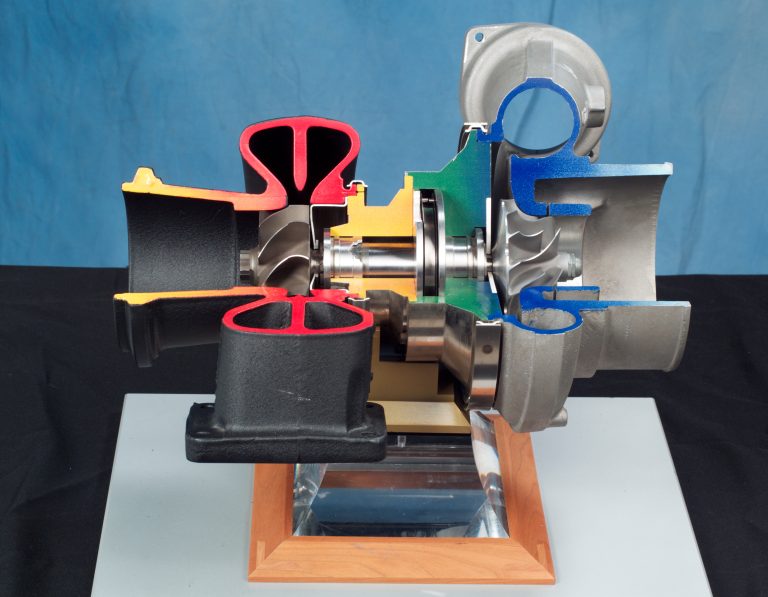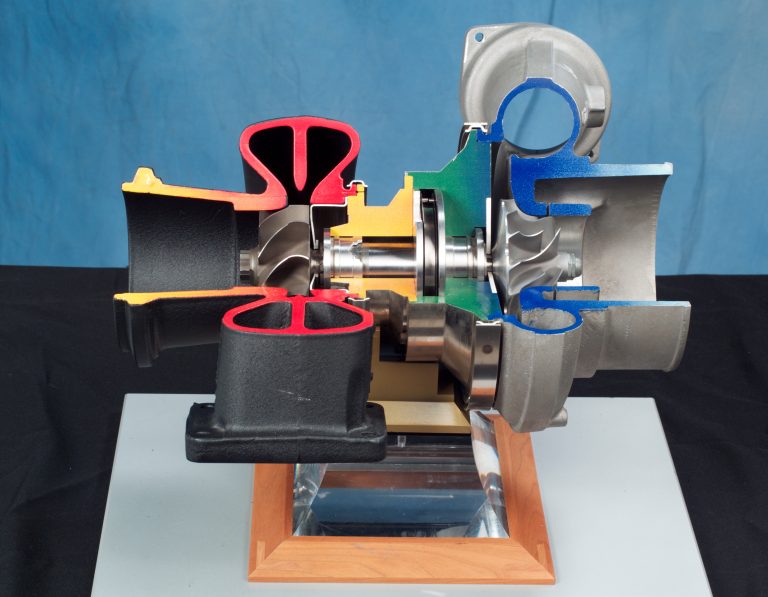
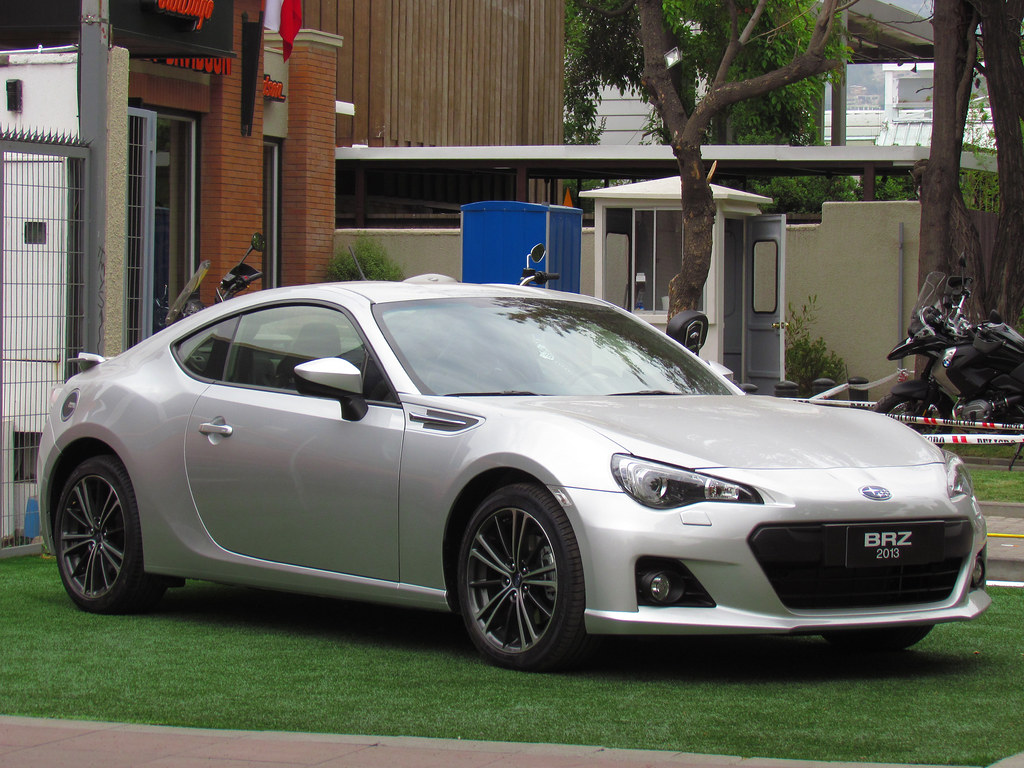
The BRZ’s naturally aspirated flat-four is famous for a torque dip nobody likes and a chassis everybody does. A turbo kit is the obvious fix for the first problem, and it is a genuinely well-supported swap on this platform — unlike a lot of forced-induction conversions, there are kits built specifically for the FA20 and FA24 with real engineering behind them.
The engine underneath that chassis has one number that governs everything about how much boost is sensible: a compression ratio of 12.5:1, unusually high for a turbo application. This guide covers what that means for boost targets, which kits are worth buying, and the one legal question that is actually settled favorably for owners — unlike the tampering question on a generic truck turbo kit.
Key Takeaways
- The FA20’s 12.5:1 compression ratio caps sensible boost at roughly 7–10 psi on stock internals and premium fuel, well below what many turbo kits are rated to support.
- Enthusiast tuners commonly treat 300–350 wheel horsepower as the practical ceiling on a stock short block before internal upgrades become necessary.
- Unlike ring-land-prone earlier Subaru engines, the FA20 has a comparatively good record on that specific failure mode — the compression ratio, not ring land strength, is what limits boost here.
- The Magnuson-Moss Warranty Act legally prevents a dealer from voiding your entire warranty just because a turbo kit is installed; they must prove the kit caused a specific failure before denying that claim. One kit — from WORKS — also carries an actual CARB Executive Order for California legality, which is rare in this category.
Why 12.5:1 Compression Is the Number That Matters Most
Compression ratio and boost fight each other. High compression makes an engine efficient and responsive without a turbo; it also makes that same engine far more prone to knock once you start pressurizing the intake, because the air-fuel mixture is already being squeezed harder before the spark ever fires.
The FA20 ships at 12.5:1, unusually high for anything destined for forced induction — most purpose-built turbo engines run 9:1 to 10:1 specifically to leave room for boost. The practical consequence: the high compression ratio limits boost to around 7 psi unless you run very high octane fuel and careful ignition timing, where pushing toward roughly 10 psi becomes possible (TorqueCars, retrieved 2026-07-29).
This is worth internalizing before shopping kits: the constraint here is not turbo size, manifold flow, or intercooler capacity. It is detonation risk built into the base engine design. A bigger turbo does not change what the compression ratio allows.
The Genuinely Good News: Ring Lands
Earlier Subaru boxer engines, the EJ family, had a well-known reputation for ring land failure under boost — the piston literally cracking around the top ring groove under sustained cylinder pressure. Buyers moving to a turbocharged BRZ from that history reasonably worry the FA20 inherits the same weakness.
It largely does not. Reports on FA20 forced-induction builds note comparatively few issues relating to ring land failures or block distortion of the kind that plagued the EJ engine. Premier Subaru tuners have pushed factory internals to roughly 380–400 lb-ft of torque at the wheels, treating that as the practical limit most are unwilling to exceed on a stock block — not because the ring lands are failing, but because that is where the broader margin of safety runs out.
What to Actually Expect in Horsepower
Numbers vary sharply by fuel and generation, and kit marketing tends to quote the best-case figure rather than the realistic one for pump gas.
| Engine / fuel | Boost | Realistic output |
|---|---|---|
| FA20, 92 octane | 5–6 psi | ~300 hp |
| FA20, 91 pump gas | Moderate, tuned | ~430 hp |
| FA20, E85 | Higher, tuned for ethanol | Up to ~500 hp |
| FA24 (2022+), stock NA baseline | — | 228 hp factory |
Notice the E85 line. Ethanol’s higher octane rating and cooler combustion is doing real work there, not the turbo hardware. If you are shopping kits based on a manufacturer’s headline horsepower figure, check what fuel that figure assumes — a kit advertised at 500 hp on E85 will not deliver that on pump 91.
Kits Worth Considering
AVO Turbo Base Kits (FA20 and FA24)
AVO sells dedicated base kits for both generations. The FA24 kit uses AVO’s own billet turbocharger with an 8 psi base actuator, a 52mm inducer and 68mm exducer compressor wheel — specific enough that it is clearly engineered for this engine rather than adapted from something else. The FA20 kit is the one behind the 300 hp at 5–6 psi figure on 92 octane above.
Best for: a documented, platform-specific kit with a clear stock power baseline.
HKS GTIII-RS (2022+ BRZ/GR86)
HKS brings its turbo engineering pedigree to the current-generation FA24 chassis. As with any premium Japanese-brand kit, expect the price to reflect the brand and the build quality rather than a dramatically different power ceiling than other well-engineered kits on the same engine.
WORKS Turbo Kit — The CARB-Legal Option
This is the kit worth knowing about specifically because of its legal status, not just its performance. WORKS’ kits for the 2013–2016 FR-S/BRZ are described as the first and only FR-S/BRZ turbo kits to obtain a CARB Executive Order — sold as 50-state smog legal in a calibrated, CARB-compliant version (MotoIQ, retrieved 2026-07-29).
For a California owner, or anyone in a state that mirrors CARB rules, this is the only kit in this category that resolves the emissions-legality question outright rather than leaving it to interpretation. Confirm the EO still covers your exact model year before buying — CARB exemptions are issued per vehicle application, not blanket-approved for an entire platform generation.
Your Warranty Is Safer Than You Think
This is where BRZ owners have a real legal advantage a lot of forum threads don’t reflect. The Magnuson-Moss Warranty Act bars a manufacturer from voiding a vehicle’s entire warranty just because you installed an aftermarket part — to deny a claim, the manufacturer has to prove that the specific part caused the specific defect (Magnuson-Moss Warranty Act summary, retrieved 2026-07-29). The FTC reinforced this directly in 2018, sending warning letters to major manufacturers whose warranty language implied otherwise, and stating plainly that warranty-void stickers are deceptive unless the dealer can actually prove the seal-break caused the damage.
Practically: if a turbo kit is installed and something unrelated fails — a window regulator, an infotainment fault, an AC compressor — the dealer cannot point at your turbo and deny that claim. If the engine itself fails and the dealer can reasonably tie that failure to boost, that is a different and more defensible denial. The law protects unrelated systems, not a blanket shield for the modified engine itself.
Building Beyond the Stock Short Block
Once you are targeting meaningfully more than the 300–350 whp range commonly treated as the stock-block ceiling, the conversation shifts to forged internals. IAG and similar builders offer FA20 short blocks specifically rated for higher output — commonly seen in 600 bhp and 800 bhp variants, still built around the same 12.5:1-adjacent architecture but with components designed to survive the cylinder pressure that compression ratio and boost combine to create.
That is a materially bigger project and budget than bolting on a turbo kit, and it is the honest answer for anyone whose target number exceeds what the stock bottom end is being run at by the tuners who have already tried.
What Every Build Needs Regardless of Kit
- Highest-octane pump fuel available, minimum, once boost is added — 91 or 93 depending on region.
- A proper tune, not a generic boost controller setting. Fueling and ignition timing both need correcting for the new airflow.
- Knock monitoring, given how close to the edge the compression ratio already puts you. This is not an engine where “it sounds fine” is an adequate diagnostic.
- A realistic power target set before you buy, based on your fuel plan, not the kit’s headline number.
Frequently Asked Questions
How much boost can a stock BRZ engine handle?
Roughly 7 psi on premium fuel is the conservative ceiling driven by the FA20’s 12.5:1 compression ratio; some tuners push toward 10 psi with careful timing and very high octane. This is meaningfully lower than boost levels considered normal on purpose-built turbo engines.
Will a turbo kit void my BRZ’s warranty?
Not entirely. The Magnuson-Moss Warranty Act requires the manufacturer to prove a specific modification caused a specific failure before denying that claim; unrelated systems remain covered. A failure the dealer can reasonably tie to the added boost is the scenario where a claim is more likely to be contested.
Is a BRZ turbo kit legal in California?
Generally no, unless the specific kit carries a CARB Executive Order covering your exact vehicle. WORKS’ kit for 2013–2016 FR-S/BRZ is documented as CARB-compliant; verify current EO coverage for your model year before assuming any other kit qualifies.
Why is the FA20’s safe boost so much lower than other turbo builds?
Its 12.5:1 compression ratio, unusually high for a forced-induction application, sharply narrows the margin before detonation risk rises. Purpose-built turbo engines typically run 9:1 to 10:1 specifically to leave that room.
Do I need a built short block for a turbo BRZ?
Not for the commonly cited 300–350 whp stock-block range. Beyond that, forged internals from builders such as IAG become the credible path, since that is where premier tuners have stopped pushing the stock bottom end.
The Bottom Line
Size your boost target around the FA20’s compression ratio, not the kit’s advertised maximum — 7 psi conservative, pushing toward 10 with premium fuel and careful tuning. Budget for a real tune and knock monitoring alongside any kit. If you are in California, the WORKS kit is the one option that actually resolves emissions legality rather than leaving it open. And know that your warranty on unrelated systems is legally safer than most dealer conversations suggest.
For the transmission and legal considerations that come up on truck-based turbo builds instead, see our guide to turbocharging a 5.3 Vortec, where the constraints are almost entirely different.
Exhaust and Performance Work — Keyport, NJ
Forced induction changes what your exhaust system needs to flow and handle. Discount Brakes and Mufflers has served Keyport and Monmouth County for over 40 years, bending and fabricating custom exhaust in-house, and we repair rather than replace wherever the part allows.
Get a price in minutes with our instant estimate tool, see what is involved in muffler and exhaust repair, or contact our Keyport shop.
Note: this is a buyer’s guide compiled from manufacturer information, FTC guidance and enthusiast/tuner reporting; horsepower and boost figures are owner- and tuner-reported, not controlled engineering test data. It is not legal advice — verify current CARB and state emissions requirements before modifying your vehicle. Discount Brakes and Mufflers specializes in brakes, mufflers, catalytic converters and custom exhaust; we do not install turbo kits or perform engine builds.