The 4.0-liter AMC straight-six is one of the most boost-tolerant blocks Jeep ever built, and every turbo kit listing for it leans on that reputation. What most listings do not lead with is that the single best-engineered kit for this engine, Banks Power’s Sidewinder system, has been discontinued for years, and that the universal kits filling the gap leave the buyer to source and calibrate the exact two components Banks used to hand you pre-matched: the injectors and the MAP sensor.
This guide covers what changed when Banks left the market, what a stock 4.0 actually tolerates, and what to verify before spending money on a kit built for a car this engine was never installed in.
Key Takeaways
- The stock 4.0’s compression ratio, commonly cited between 8.8:1 and 9.2:1 depending on model year, is genuinely favourable for turbocharging — but the honest boost ceiling on stock internals is 7–8 psi, not the higher numbers some kits are dyno-tuned to.
- Banks Power’s Sidewinder kit, the only factory-engineered turbo system ever sold for the 4.0, is discontinued and largely unavailable used. Every current option is a universal or small-shop kit.
- A universal kit’s box rarely includes the larger fuel injectors and 2 bar MAP sensor the ECU needs to read boost correctly — Banks bundled both; most current kits do not.
- Reported component tolerances put the head gasket at the front of the failure list past roughly 12 psi, well before the rods or crank become a concern.
The Compression Ratio Everyone Quotes, and What It Actually Buys You
Jeep’s 4.0 (internally the 242) shipped across model years with a compression ratio commonly cited between 8.8:1 and 9.2:1, lower than most naturally aspirated engines of similar displacement and closer to what boost-minded builders look for going in (8020 Automotive, retrieved 2026-07-30). That number gets repeated in almost every kit description as proof the engine is “built for boost.”
It is a real advantage, but it is not a licence to run whatever boost the turbo can physically produce. The same guide that highlights the favourable compression is explicit about where that advantage runs out: push past roughly 7–8 psi on stock internals and head gasket failures become the expected outcome, not an edge case (8020 Automotive, retrieved 2026-07-30). Enthusiast forum consensus tightens that picture further, with reported tolerances of roughly 12 psi for the head gasket, 14-plus psi for the pistons absent detonation, and connecting rods generally good to around 450 horsepower — figures that describe a fairly narrow, sequential failure order rather than one dramatic limit.
Treat these as compiled owner and retailer figures rather than a controlled engineering study — nobody publishes a failure curve for a 30-year-old engine design. The pattern across sources agrees on direction: 7–8 psi is a reasonable stock-internals target for a daily driver, and anything meaningfully past that is a built-engine conversation, not a kit-selection one.
Why “Best Kit” Today Is a Different Question Than It Was a Decade Ago
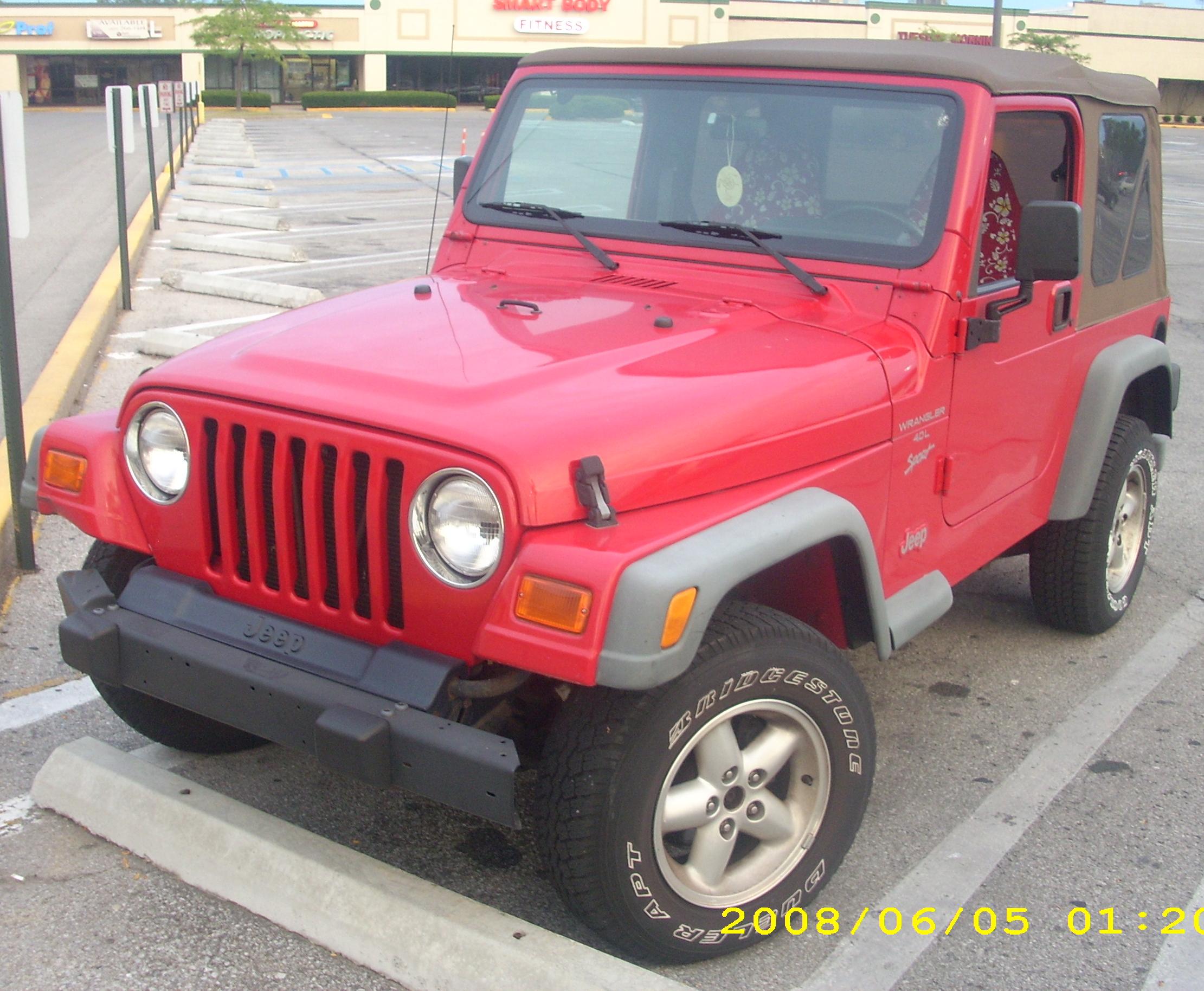
For years the answer to “best Jeep 4.0 turbo kit” was simple: Banks Power’s Sidewinder system, sold specifically for the 1999.5–2006 Wrangler TJ, engineered and dyno-validated by Banks as a complete package with a matched programmer. Banks Power has stopped manufacturing the kit, and used examples are now genuinely hard to find (8020 Automotive, retrieved 2026-07-30).
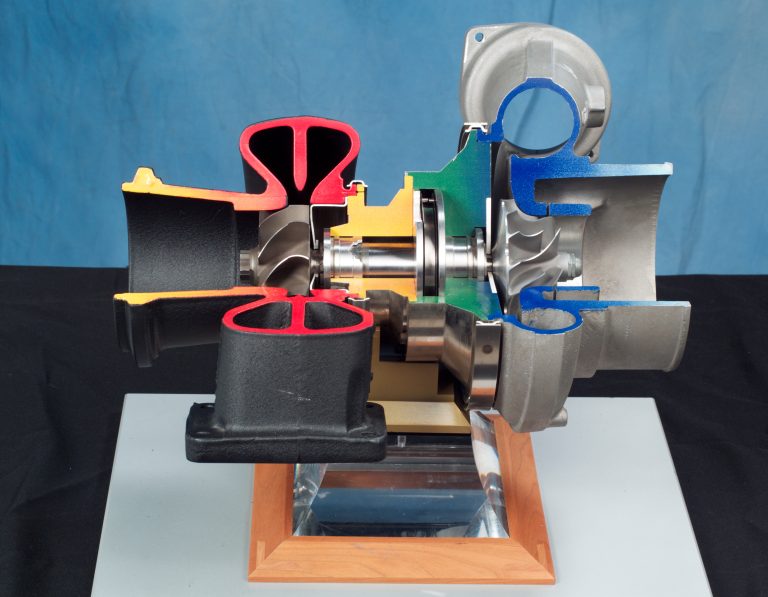
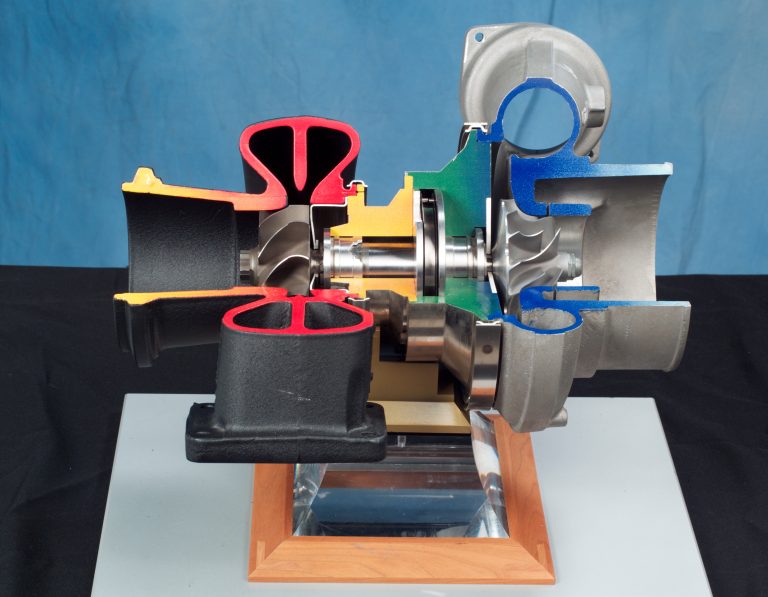
That leaves the market to universal single-turbo kits and small-shop setups built around a generic T3/T4-frame turbo, a fabricated exhaust manifold, oil and coolant feed lines, an intercooler, and a full exhaust and intake path. That is a reasonable core, but it is a different product to what Banks sold, and the difference is not in the turbo hardware — it is in what surrounded it. Our universal turbo kit guide covers the broader fitment and flange-compatibility issues that come with buying generic hardware like this instead of a purpose-built kit.
The Spec Every Universal Kit Buyer Has to Source Themselves
Banks bundled two things with the Sidewinder that most current kits leave to the buyer: larger fuel injectors sized for boosted airflow, and a 2 bar MAP sensor so the factory ECU could actually read manifold pressure above the naturally aspirated range it was calibrated for (8020 Automotive, retrieved 2026-07-30). Skip either one and the factory computer is making fuel and timing decisions based on a signal that tops out below your actual boost level — a lean condition under load, and the kind of detonation that turns a head gasket problem into a piston problem.
Colder spark plugs are the third item that shows up on every credible build list and rarely ships in the box. None of this is exotic or expensive on its own. It is simply the programme of parts that used to arrive as one kit and now has to be assembled by the buyer, invoice by invoice, before the turbo itself is the interesting part of the build.
- Fuel injectors sized for boost. Stock injectors are calibrated for naturally aspirated airflow; running boost without more fuel capacity is the fastest route to a lean condition.
- A 2 bar MAP sensor. The stock 1 bar sensor cannot report pressure above roughly atmospheric, so the ECU has no accurate signal once boost builds.
- A tuning path. Whether that is a piggyback programmer, a chip, or a standalone system depends on model year and ECU — pre-1991 Renix-managed engines and later HO engines are not interchangeable on this point, and a kit description that does not specify which it supports is a red flag.
- Colder spark plugs. Rated for the higher cylinder temperatures boost introduces, not the naturally aspirated heat range.
What a Kit Box Actually Contains
Set expectations before you order. A complete universal single-turbo kit typically bundles the turbocharger itself, a fabricated turbo-exhaust manifold, oil and coolant feed and return lines, an intercooler and piping, a new full exhaust, and a revised air intake with mounting hardware to fit the swap (8020 Automotive, retrieved 2026-07-30). What it typically does not bundle is the fuel and ECU work above, and very few universal kits specify a boost controller at all — most run whatever boost the turbo’s wastegate spring is set for, which is one more reason to confirm the advertised boost figure before assuming it matches your fuel and ignition setup.
| Check | Why it matters |
|---|---|
| Model year and ECU type (Renix vs HO) | Determines which tuning path and sensors are compatible |
| Injector sizing at target boost | Stock injectors are sized for naturally aspirated airflow only |
| MAP sensor rating | A 1 bar sensor cannot report boosted manifold pressure to the ECU |
| Advertised boost target vs your internals | 7–8 psi is the commonly cited stock-internals ceiling |
| Spark plug heat range | Naturally aspirated plugs run hotter than boost applications call for |
| Availability of a tuning path | A kit with no programmer, chip, or standalone option leaves fuelling to guesswork |
Frequently Asked Questions
Can I still buy the Banks Sidewinder turbo kit for a Jeep 4.0?
Not new. Banks Power discontinued the Sidewinder system, and used units are scarce. Current options are universal or small-shop kits, which shift the fuel injector, MAP sensor, and tuning decisions onto the buyer.
How much boost can a stock Jeep 4.0 handle?
Commonly cited figures put a reasonable daily-driver ceiling around 7–8 psi on stock internals, with head gasket failure becoming the expected outcome beyond that without supporting upgrades.
Do I need a bigger MAP sensor for a turbo 4.0?
Yes, in almost every case. The stock 1 bar sensor cannot accurately report manifold pressure once boost exceeds atmospheric, and Banks specifically paired its kit with a 2 bar sensor for that reason.
Do universal turbo kits include a boost controller?
Rarely. Most run the boost level set by the turbo’s wastegate spring rather than a driver-adjustable target, so confirm the advertised figure matches what your fuel system and internals can safely support before ordering.
Does the tuning approach differ by model year?
Yes. Pre-1991 Renix-managed 4.0s and the later HO engines use different engine management, so a kit or tuning solution built for one is not automatically compatible with the other — confirm compatibility before buying.
The Bottom Line
The 4.0’s compression ratio is a real head start, not a free pass past 7–8 psi on stock internals. Because the one fully engineered kit for this engine is gone from the market, budget for the fuel injectors, the 2 bar MAP sensor, and a confirmed tuning path as part of the turbo kit’s real cost, not as optional extras you can add later if the check-engine light insists.
Exhaust and Engine Work in Keyport, NJ
Forced induction changes what your exhaust system needs to handle. Discount Brakes and Mufflers has served Keyport and Monmouth County for over 40 years, bending and fabricating custom exhaust in-house, and we repair rather than replace wherever the part allows.
Get a price in minutes with our instant estimate tool, see what is involved in muffler and exhaust repair, or contact our Keyport shop.
Note: this is a buyer’s guide compiled from retailer product information and owner-reported figures on enthusiast forums; the boost and component-tolerance figures are not controlled engineering test data. Discount Brakes and Mufflers specializes in brakes, mufflers, catalytic converters and custom exhaust; we do not install turbo kits or perform engine builds.