The N54 will take a single turbo kit rated for 850 whp and bolt it to an engine whose fuel system was designed around roughly 300 crank horsepower. It’ll run, too — for a while. The turbo in these kits is rarely what actually limits the build. The high-pressure fuel pump, the rod bearings, and a $40 plastic charge pipe usually give up long before the compressor does.
This guide covers which N54 turbo kits are worth buying, and what has to happen to the fuel system and bottom end around them before that power number on the box means anything.
Key Takeaways
- The N54 ships stock at roughly 300–302 hp / 300 lb-ft from two small factory twin-scroll turbos; bolt-ons alone (exhaust, downpipes, intercooler, tune) commonly land in the 375–425whp range before any turbo swap is needed.
- The stock low-pressure fuel pump is the first bottleneck, and the stock high-pressure fuel pump (HPFP) is the one after it — most single-turbo builds work around the HPFP with port injection or an overdrive kit rather than trying to out-flow it on gasoline alone.
- The factory charge pipe and diverter valve are plastic and are a well-documented failure point once boost goes above stock — budget for an aluminum charge pipe before you budget for a bigger turbo.
- Rod bearing wear is common enough on high-mileage or poorly-maintained N54s that inspecting or replacing them before a turbo upgrade is standard practice among tuners, not an upsell.
The Kits Worth Buying
Pure Turbos Pure Stage 2
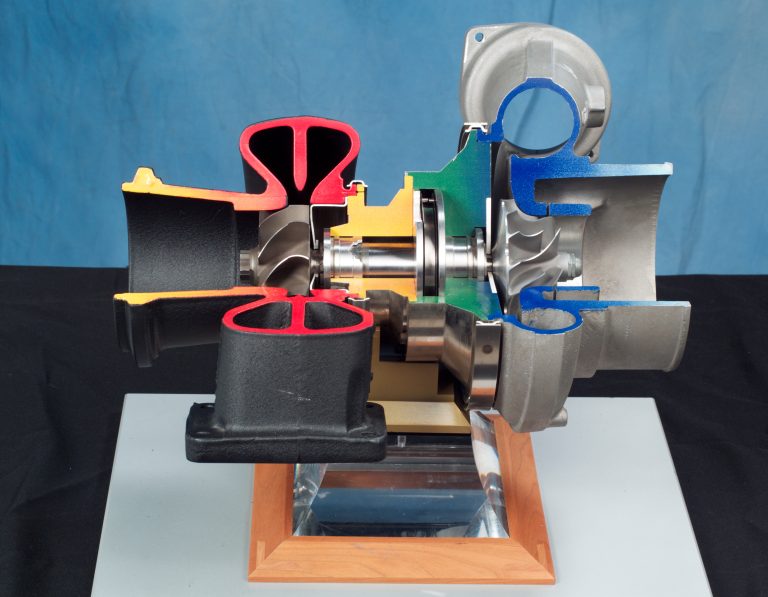
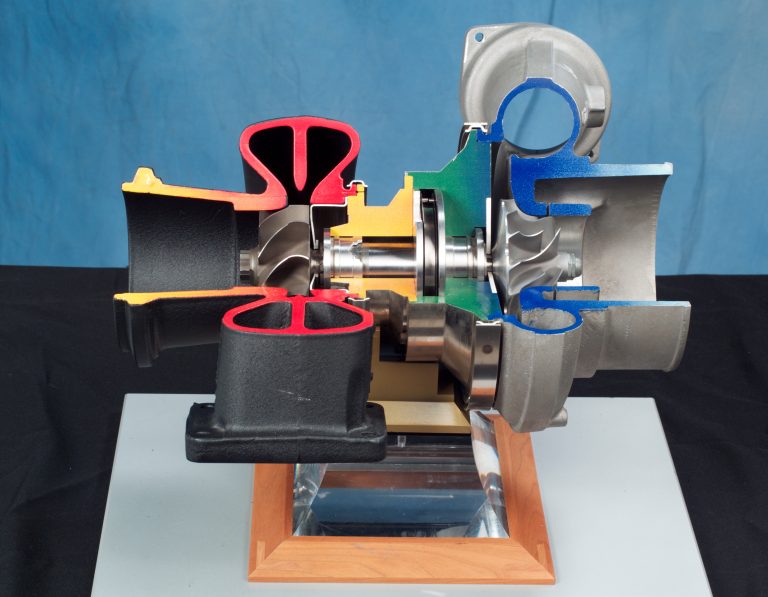
Pure Turbos rebuilds the factory twin-turbo housings rather than replacing them with a single turbo, which keeps the OEM manifold, spool characteristics, and packaging. The Stage 2 line splits into a “Daily-Driver” build rated for roughly 450–600whp and a Hi-Flow build rated for roughly 600–700whp, both available with the stock 1.81″ or a larger 2″ compressor inlet, a billet compressor wheel, and a Hi-Flow turbine wheel (Pure Turbos, retrieved 2026-07-30).
Best for: builders who want a meaningful power jump without giving up the factory twin-turbo spool and packaging, and who don’t need north of 700whp.
VTT N54 F-RB Single Turbocharger Kit
Vargas Turbo Technologies’ F-RB (Full Re-Brand) single turbo lineup is rated by the manufacturer to support up to 850whp on a stock, unopened engine, with a turbine housing and manifold fully cast from 310 stainless steel for heat and corrosion resistance (Vargas Turbo Technologies, retrieved 2026-07-30). Going single means replacing the factory twin-scroll manifold and both turbos with one larger unit, which is a bigger fabrication job than a Pure Turbos rebuild but removes the packaging constraints of the stock housings entirely.
Best for: a serious build targeting 700–850whp where you’re committing to the fuel system and supporting mods anyway.
Motiv Single Turbo Kit
Motiv’s kit is built around a large Xona Rotor ball-bearing turbo and has held single-turbo N54 dyno records as high as 978whp. That capacity comes at a cost: multiple tuners and builders describe the Motiv turbo as retaining decent spool for its size but still too large for a street-driven car chasing responsiveness over a peak number.
Best for: race or dedicated high-horsepower builds where peak output matters more than low-RPM response.
Why the Fuel System Decides the Ceiling Before the Turbo Does
A turbo can only make the power the fuel system can support. On the N54, that system has two well-known weak points in series: the low-pressure pump that feeds fuel from the tank, and the high-pressure pump that pressurizes it for direct injection.
The low-pressure side is usually addressed first because it’s the simpler fix — an upgraded in-tank or inline low-pressure pump resolves fuel starvation under sustained boost. Once that’s done, the stock high-pressure fuel pump becomes the limiting factor, and most tuners don’t try to out-flow it on pump gas alone. Following the LPFP upgrade, the stock HPFP is the next bottleneck, but port injection or charge-pipe injection routes around that limit entirely rather than requiring an HPFP upgrade.
Two specific products come up repeatedly for pushing past the stock HPFP without full port injection. The PFS POD is a planetary overdrive gearbox that increases the HPFP’s shaft speed roughly threefold, and a Helix Xtreme HPFP unit is generally expected to support around 750whp when running full E85. Either approach is aimed at builders trying to stay on a single high-pressure pump rather than adding a second injection system.
The Charge Pipe Fails Before the Turbo Does
The factory N54 charge pipe and diverter valve are both plastic, and it’s one of the most commonly cited failure points on the platform — the plastic cracks or breaks after repeated heat cycles, and higher-than-stock boost accelerates that failure. When it lets go, the symptom is a boost leak that reads like a turbo or tune problem but is actually a $40 part.

An aluminum charge pipe upgrade eliminates the failure mode outright and is one of the cheapest, most consequential parts on this whole build. Do it before the turbo kit, not after the first boost leak strands you.
Check the Rod Bearings Before You Add Boost
Rod bearing wear shows up often enough on the N54 — particularly on higher-mileage engines or ones with a spotty oil change history — that inspecting or replacing them ahead of a turbo upgrade is standard practice among tuners, not a scare tactic. Clean, full oil and prompt attention to leaks slow the wear; they don’t eliminate the known issue.
The practical reason this matters for a turbo build specifically: more boost means more cylinder pressure pushing on those bearings on every combustion event. A bearing that was marginal at stock power is not a bearing you want to find out about after you’ve spent several thousand dollars on a single turbo kit and a fuel system to match.
What a Single Turbo Conversion Actually Involves
| Line | Common spec | Why it’s not optional |
|---|---|---|
| Oil drain | AN-10 braided line, heat-shielded | A single turbo sits in a different position than the stock pair; the factory drain routing doesn’t reach it |
| Coolant supply/return | AN-6 braided line, heat-shielded | Water-cooled center housing needs continuous flow to avoid coking the bearings on shutdown |
| Unused factory ports | Custom block-off plugs | Removing one of two stock turbos leaves oil and coolant ports that must be sealed, not just capped |
This is the part that surprises people coming from a simpler single-turbo platform: going single on an N54 isn’t a turbo swap, it’s a manifold, oiling, and cooling system replacement that happens to include a turbo. Budget the labor accordingly, whether that labor is yours or a shop’s.
Frequently Asked Questions
How much power can a stock N54 make on bolt-ons alone?
Commonly cited figures land around 375–425whp from exhaust, downpipes, intercooler, and a tune, with a small E85 blend pushing toward the 410–430whp range. That’s without any turbo hardware changes.
Do I need to upgrade the HPFP for a single turbo kit?
Not necessarily. Most builders route around the stock HPFP’s limit with port injection, charge-pipe injection, or an overdrive kit like the PFS POD rather than replacing the pump outright. A Helix Xtreme HPFP is one of the few direct-replacement options and is generally rated around 750whp on E85.
Why does my N54 charge pipe keep failing?
The factory charge pipe and diverter valve are plastic, and they’re a well-documented failure point once boost rises above stock levels. An aluminum charge pipe upgrade resolves it and is worth doing before any turbo work, since a cracked pipe will masquerade as a boost or tune problem.
Should I check rod bearings before a turbo upgrade?
If the engine has high mileage or an uncertain oil change history, yes. Rod bearing wear is common enough on the N54 that inspection or preemptive replacement ahead of a boost increase is standard practice among tuners, not just an upsell.
What’s the difference between a Pure Turbos rebuild and a single turbo kit?
Pure Turbos rebuilds the factory twin-turbo housings with upgraded internals, keeping the stock manifold and twin-turbo spool character. A single turbo kit like VTT’s F-RB or Motiv’s replaces both factory turbos and the manifold with one larger unit, trading factory packaging and low-end response for a higher power ceiling.
The Bottom Line
Buy the Pure Stage 2 if you want a real power jump without leaving the factory twin-turbo layout. Step up to the VTT F-RB if you’re building toward 700–850whp and are already committing to the fuel system work. But budget for the LPFP upgrade, a plan for the HPFP limit, an aluminum charge pipe, and a rod bearing inspection before any of that turbo hardware goes on — on the N54, those are the parts that actually decide whether the build survives contact with real boost.
If the build is also getting a full turbo-back exhaust to go with the new hardware, see our guide to custom exhaust and muffler work for what that involves once the turbo side is finalized.