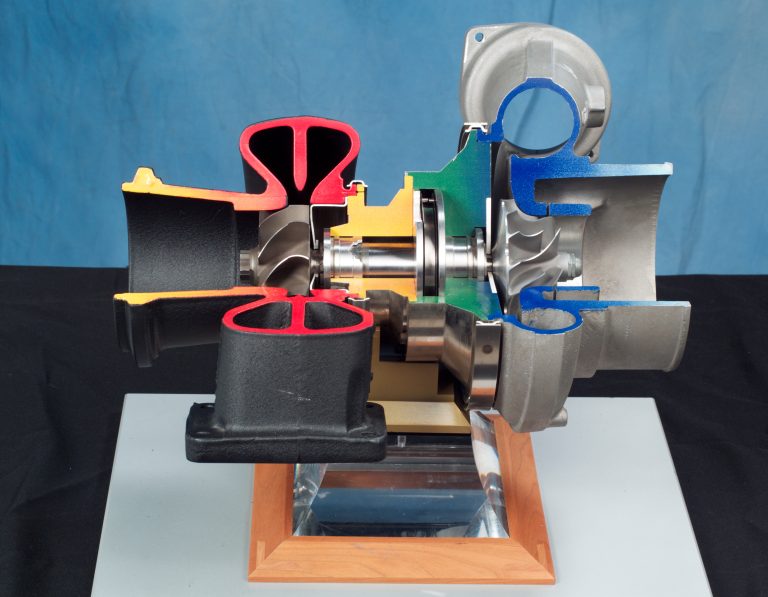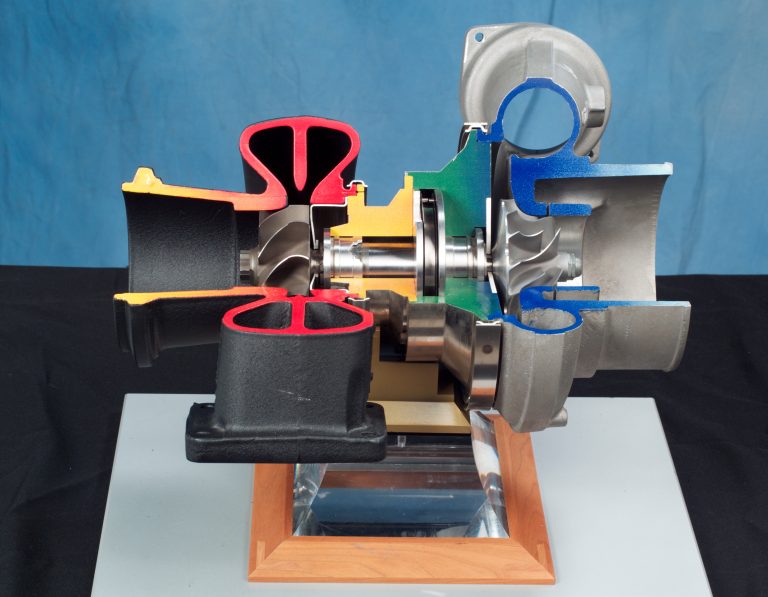
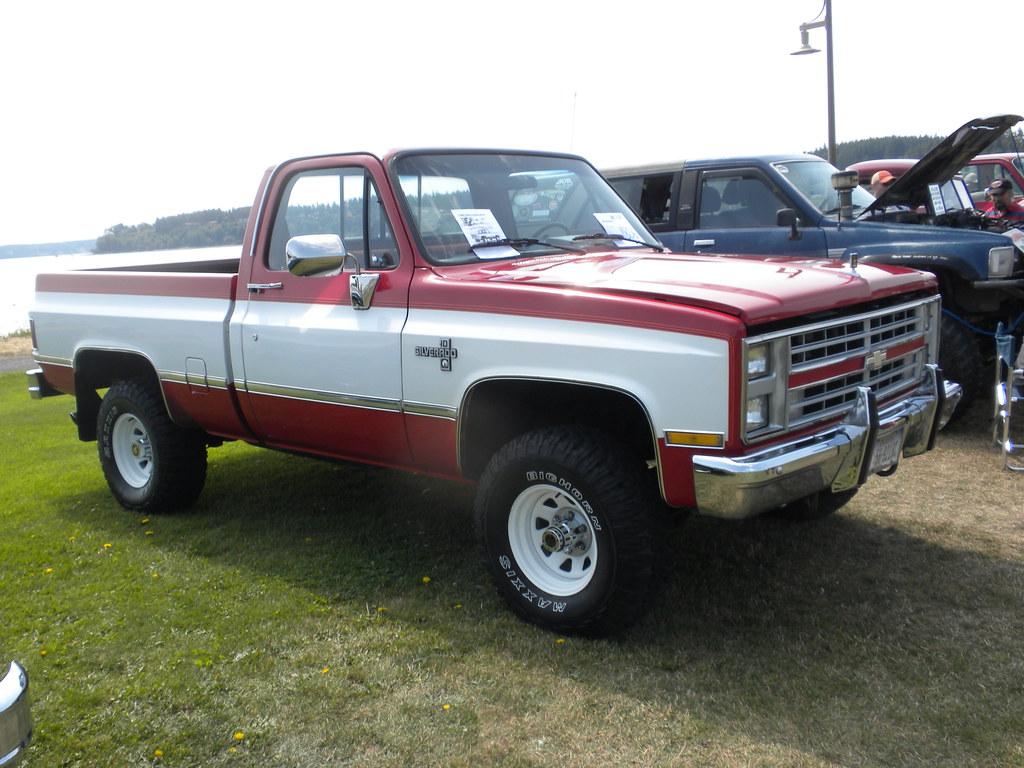
Before shopping turbo kits, check your window sticker. The 2026 Silverado 1500’s standard engine is the 2.7L TurboMax — a factory-turbocharged four-cylinder making 310 hp and 430 lb-ft, with the 5.3L V8 offered as an upgrade on select trims (Beadle Chevrolet, retrieved 2026-07-29). If that is your truck, you are not shopping for a turbo kit — you already have one, and this guide is not for you.
This guide is for 5.3L EcoTec3 V8 owners looking to add forced induction to a naturally aspirated engine, and it covers what actually differs on this modern engine platform versus the older 5.3 Vortec generation — specifically direct injection, cylinder deactivation, and the newer, considerably stronger transmissions this generation runs.
Key Takeaways
- If your Silverado runs the 2.7L TurboMax, it is already factory-turbocharged. This guide covers adding a turbo to the naturally aspirated 5.3L EcoTec3 V8 instead.
- The EcoTec3 5.3 uses direct injection, which eliminates the fuel-wash effect that historically kept intake valves clean — carbon buildup on the valves is a documented issue on DI engines generally, and boost adds oil vapor to that equation.
- Cylinder deactivation (AFM on the 2014–2019 L83, DFM with 17 modes on the 2019+ L84) needs to be disabled or carefully managed under boost; running deactivation logic on a turbocharged engine is not how GM designed either system to operate.
- The 8L90 transmission behind these trucks factory-handles roughly 650–700 hp — a meaningfully stronger stock unit than the 4L60E behind the older 5.3 Vortec, which changes the transmission-risk calculation on this build.
Check Your Engine Before You Check Kits
“Silverado turbo kit” searches conflate two very different trucks. Current-production Silverado 1500s ship standard with the 2.7L TurboMax, which produces more torque than the naturally aspirated 5.3L V8 (430 lb-ft versus 383 lb-ft) despite being half the displacement, precisely because it is already turbocharged. The 5.3L V8 remains available as an upgrade on select trims and is the more capable engine for heavy towing, rated up to roughly 11,500 lbs versus the 2.7L’s 9,500 lbs.
If you are reading this because you want more power from a 2.7L TurboMax, the conversation is about upgrading the existing turbo system, injectors and tune — not installing one. Everything below assumes you have the naturally aspirated 5.3L EcoTec3 V8 (badged L83 for 2014–2019 trucks, L84 for 2019 and later) and are adding forced induction to it.
The 5.3 EcoTec3 Is Not the 5.3 Vortec
They share a displacement and a family lineage, and enthusiast advice for one gets applied to the other more often than it should. The EcoTec3, GM’s Gen V small block, introduced direct injection and cylinder deactivation to the 5.3L truck engine starting with the 2014 model year (Speedway Motors, retrieved 2026-07-29). Neither feature existed on the older iron-block LM7-generation 5.3 Vortec, and both change how a turbo conversion needs to be approached.
Direct Injection Changes the Carbon Buildup Conversation
This is the difference that matters most and gets skipped most often in kit marketing built around older port-injected engines.
Port-injected engines spray fuel onto the back of the intake valve, and detergents in the fuel continuously wash that surface clean. Direct injection sprays fuel straight into the combustion chamber instead, which eliminates that cleaning mechanism entirely — deposits build up on the intake side of the valves and create turbulence that restricts airflow, leading to hesitation, misfires and hard starting, with drivability issues documented as early as roughly 3,000 miles on some GDI engines (Automotive Test Solutions, retrieved 2026-07-29).
Turbocharging makes this worse, not better. Higher oil temperatures under boost increase oil vapor passing through the crankcase ventilation system, and that vapor is a direct contributor to the carbon deposits forming on the intake valves. An EcoTec3 build under sustained boost will accumulate valve deposits faster than the same engine run naturally aspirated — something the older port-injected 5.3 Vortec never had to contend with at all.
The practical response is not to avoid turbocharging a DI engine — plenty of builders do it successfully — but to plan for periodic intake valve cleaning (commonly walnut-shell media blasting) as scheduled maintenance rather than a surprise repair once symptoms appear.
Cylinder Deactivation Has to Be Dealt With, Not Ignored
The L83 (2014–2019) runs Active Fuel Management, deactivating four cylinders during light-load cruise. The L84 (2019 and later) replaces that with Dynamic Fuel Management, which manages 17 different deactivation patterns rather than a simple on/off switch (Speedway Motors, retrieved 2026-07-29). Neither system was engineered with turbocharging in mind.
Running cylinder deactivation logic under boost is not something GM validated, and most turbo builds on this platform disable AFM/DFM entirely as part of the tune rather than attempt to run it alongside forced induction. Confirm your tuning provider addresses this specifically — a generic boost controller and a piggyback tune that leaves deactivation logic active is a build waiting to develop a problem, not a shortcut that saves a step.
The Transmission Story Is Better Here Than on the Old Vortec
This is genuinely good news, and it is the one area where the EcoTec3 platform has a real advantage over turbo builds on the older Vortec trucks.
Most EcoTec3-equipped Silverados run the 6L80 or 8L90 automatic depending on trim and model year. The 6L80 has a maximum engine input torque rating around 440 lb-ft, translating to roughly 360–400 hp depending on vehicle weight and configuration — a real limitation. The 8L90, however, factory-handles approximately 650–700 hp, a considerably higher ceiling (Monster Transmission, retrieved 2026-07-29).
| Transmission | Stock capacity | Common on |
|---|---|---|
| 4L60E (old 5.3 Vortec) | ~330–380 ft-lb torque | 1999–2007 trucks |
| 6L80 | ~360–400 hp | Lower trims, some model years |
| 8L90 | ~650–700 hp | Higher trims, later model years |
Confirm which transmission your specific truck has before planning a build — it varies by trim and model year within the EcoTec3 generation. If you have an 8L90, a well-executed turbo build on a stock 5.3 short block is unlikely to challenge the transmission before it challenges the engine’s own limits. If you have a 6L80, the transmission becomes the earlier constraint, similar in principle to the 4L60E situation on the older Vortec platform.
The Legal Question Has Not Gone Away
If anything, it is more relevant here than on a 20-year-old truck. A current-production Silverado is still within its original emissions certification life, more likely to be subject to active state emissions testing programs, and more likely to still carry a factory warranty that a turbo installation interacts with.
The Clean Air Act prohibits tampering with emissions controls and prohibits manufacturing, selling or installing aftermarket devices intended to defeat them. EPA generally takes no enforcement action where a reasonable basis exists showing no adverse emissions effect — documented testing, or a CARB Executive Order covering the specific part on the specific vehicle. A generic aftermarket turbo kit for a DI, cylinder-deactivation-equipped, currently-in-production engine is unlikely to carry that documentation. Treat this as an open legal question for street use, not a settled one, and check your state’s emissions testing requirements before you start cutting into the exhaust.
What a Build on This Platform Actually Needs
- A tune that explicitly disables AFM/DFM rather than leaving deactivation logic running under boost.
- Fuel system capacity matched to your target boost — direct injection fuel systems run at far higher pressure than the old port-injected setup, and the injectors and high-pressure pump both need headroom for the added load.
- A carbon cleaning plan, not just a reaction. Walnut-shell intake valve cleaning as scheduled maintenance, not a diagnosis after the truck starts misfiring.
- Confirmation of your transmission model before setting a power target, since 6L80 and 8L90 trucks have meaningfully different ceilings.
- 91+ octane fuel and a wideband AFR gauge, the same baseline requirement every gasoline turbo build on this general platform needs.
Frequently Asked Questions
Does my Silverado already have a turbo?
If it runs the standard 2.7L TurboMax engine, yes — that engine is factory-turbocharged. Only the naturally aspirated 5.3L EcoTec3 V8 is a candidate for an aftermarket turbo kit.
Is the 5.3 EcoTec3 the same engine as the old 5.3 Vortec for turbo purposes?
No. The EcoTec3 adds direct injection and cylinder deactivation, neither present on the older Vortec generation, and both change how a turbo build needs to be approached — particularly around carbon buildup and tuning around the deactivation system.
Do I need to disable cylinder deactivation for a turbo build?
Effectively yes. Neither AFM nor DFM was engineered to operate under boost, and most successful turbo builds on this platform disable the system as part of the tune rather than run it alongside forced induction.
Will carbon buildup actually be a problem?
It is a documented issue on direct-injection engines generally, and boost increases oil vapor in the crankcase ventilation system, which contributes to the deposits. Plan for periodic walnut-shell valve cleaning rather than assuming it will not affect your build.
Which transmission does my truck have, and does it matter?
Check your specific VIN and trim — EcoTec3 Silverados run either the 6L80 (roughly 360–400 hp stock capacity) or the stronger 8L90 (roughly 650–700 hp). It matters a great deal for how much boost you can run before the transmission, not the engine, becomes the limiting factor.
The Bottom Line
Confirm you actually have the naturally aspirated 5.3L EcoTec3 before shopping kits — the 2.7L TurboMax already has a turbo. If you do have the 5.3, budget for a tune that disables cylinder deactivation, plan for periodic carbon cleaning as routine maintenance on a direct-injection engine under boost, and confirm whether your transmission is the 6L80 or the considerably stronger 8L90 before setting a power target. And check your state’s emissions testing rules before assuming a bolt-on kit is automatically legal for a currently-in-production street vehicle.
For the older iron-block 5.3 Vortec platform, where the constraints are different — no direct injection, no cylinder deactivation, but a much weaker stock transmission — see our guide to turbocharging the 5.3 Vortec.
Exhaust and Engine Work in Keyport, NJ
Forced induction changes what your exhaust system needs to flow and handle. Discount Brakes and Mufflers has served Keyport and Monmouth County for over 40 years, bending and fabricating custom exhaust in-house, and we repair rather than replace wherever the part allows.
Get a price in minutes with our instant estimate tool, see what is involved in muffler and exhaust repair, or contact our Keyport shop.
Note: this is a buyer’s guide compiled from manufacturer information, EPA enforcement guidance, and technical documentation on GDI and drivetrain components. It is not legal advice — verify current federal and state emissions requirements before modifying your vehicle. Discount Brakes and Mufflers specializes in brakes, mufflers, catalytic converters and custom exhaust; we do not install turbo kits or perform engine builds.