A triple bag air jack inflates off your own exhaust pipe and can lift a vehicle over 2.5 feet — far higher than any hydraulic jack — which is exactly why it’s the go-to recovery tool for off-road and overlanding rigs stuck in mud or sand. It’s also a genuinely different safety category than a floor jack or bottle jack, with its own real gotchas: exhaust compatibility, ground stability, and at least one documented government safety finding worth knowing about before you buy. This guide compares the current triple bag air jack lineup and covers what the marketing copy skips.
Key Takeaways
- Triple bag air jacks inflate via the exhaust pipe (or a compressor on two-way models) and lift far higher than hydraulic jacks — up to roughly 31 inches on the tallest models.
- Exhaust-inflated jacks require a single exhaust outlet 3 inches or smaller in diameter; true dual-exhaust vehicles need a single-outlet adapter or won’t seal properly.
- The UK’s Office for Product Safety and Standards rated a VEVOR-branded air-bag jack a “Serious” injury risk in a 2025 report after finding its release mechanism could drop the vehicle if bumped — a real, documented safety concern for this product category, not just internet caution.
- The ARB Bushranger X-Jack is the best overall pick for lift height and build quality; the VEVOR 5-Ton Triple Bag Air Jack is the best budget option for occasional recovery use.
How a Triple Bag Air Jack Actually Works
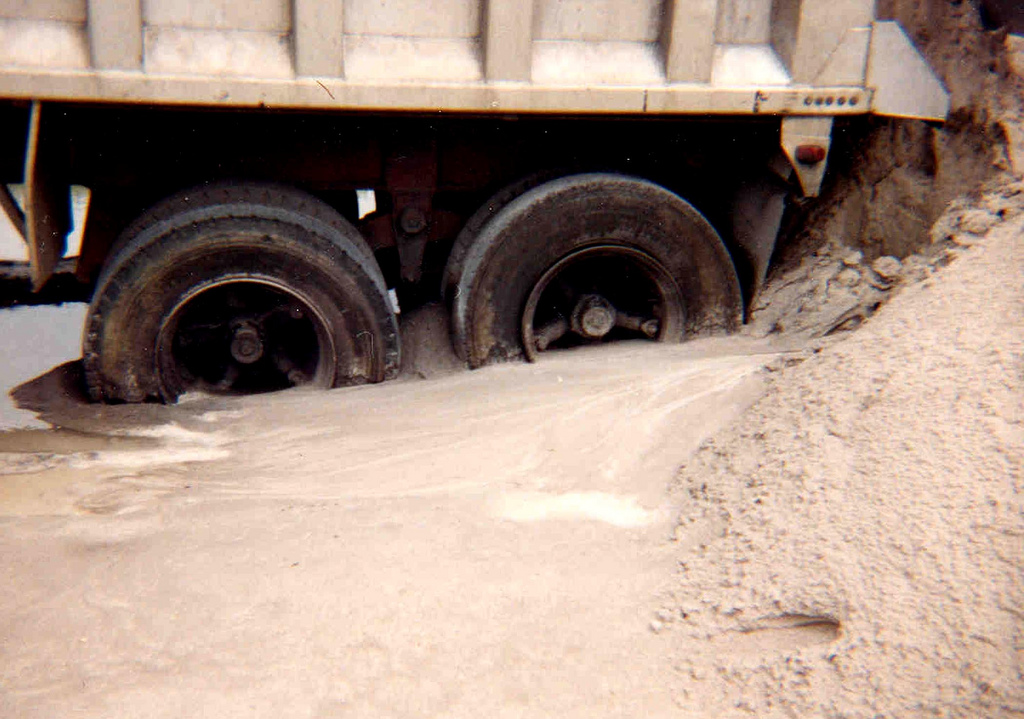
Three rubber bags stack and inflate together, either from your vehicle’s own exhaust pipe routed through a hose, or from a separate 12V compressor on two-way models. That inflation method is the entire point: no hydraulic pump, no need to jack from a hard point, and enough lift height to clear a tire that’s sunk into mud or sand — something a standard floor jack or bottle jack can’t come close to matching. The tradeoff is a genuinely different stability profile than a hydraulic jack, covered below.
The 5 Best Triple Bag Air Jacks Compared
We compared these on lift height, capacity, and inflation method — lift height is the real differentiator in this category, since the generic garage-style bags top out well short of the off-road-purpose-built options.
1. ARB Bushranger X-Jack — Best Overall
Capacity: 4,400 lb (2-tonne) | Lift height: Up to 30-31 in | Material: Triple-layer reinforced top with hard core, puncture-resistant side curtains | Weight: 25 lb | Price: ~$300+
The tallest lift height in this comparison and two-way inflation (exhaust or a compressor adapter) give this the widest range of usable scenarios, backed by ARB’s established off-road equipment reputation. The price reflects that build quality — this isn’t the budget pick, it’s the one built to be trusted under a loaded 4×4.
2. ALL-TOP Off-Road Exhaust Air Jack (4-Ton) — Best Mid-Range Lift Height
Capacity: 8,800 lb | Lift height: 31 in (65cm diameter, 78cm tall) | Material: 1000D nylon, double-sided PVC coating, 3-layer | Price: ~$90-130
Matches the ARB’s lift height at a meaningfully lower price with two-way inflation, though it’s explicitly not rated for true dual-exhaust vehicles unless you’re running a single-outlet adapter — check your exhaust configuration before buying this one specifically.
3. X-BULL Exhaust Jack 5T (Gen 2.0) — Best for Dedicated Recovery Kits
Capacity: 11,000 lb | Minimum lift height: 31.5 in (800mm) | Material: 1000 Denier high-tenacity nylon, 3.6kg | Price: ~$175
Exhaust inflation only, with a long 20-ft hose that gives you real working distance from the vehicle. Some buyers report fitment issues on large or steeply angled exhaust outlets, like those on a Land Cruiser 200 Series — worth test-fitting your specific exhaust tip before a real recovery situation.
4. VEVOR 5-Ton Triple Bag Air Jack — Best Budget Higher-Capacity Pick
Capacity: 11,000 lb | Lift height: 6.3-18.5 in | Design: Six steel pipes plus triple bag, adjustable handle | Price: ~$121-139
Meaningfully lower lift height than the off-road-purpose-built options above, but a reasonable capacity-per-dollar pick if you’re using this closer to home rather than deep off-road. Note: this specific VEVOR triple-bag model is a different product from the VEVOR “Jack with Air Bag” flagged in a 2025 UK safety report — see the safety section below before assuming all VEVOR air jacks are the same risk profile.
5. VEVOR 3-Ton Triple Bag Air Jack — Best Entry-Level Budget
Capacity: 6,600 lb | Lift height: 5.5-17.7 in | Design: Steel pipe frame, triple rubber bag, pressure-relief valve | Price: ~$87-104
The lowest price and lift height in this comparison, reasonable as a first air jack for light-duty or occasional use rather than serious off-road recovery where the taller options above earn their higher price.
The Exhaust Compatibility Problem Nobody Mentions Upfront
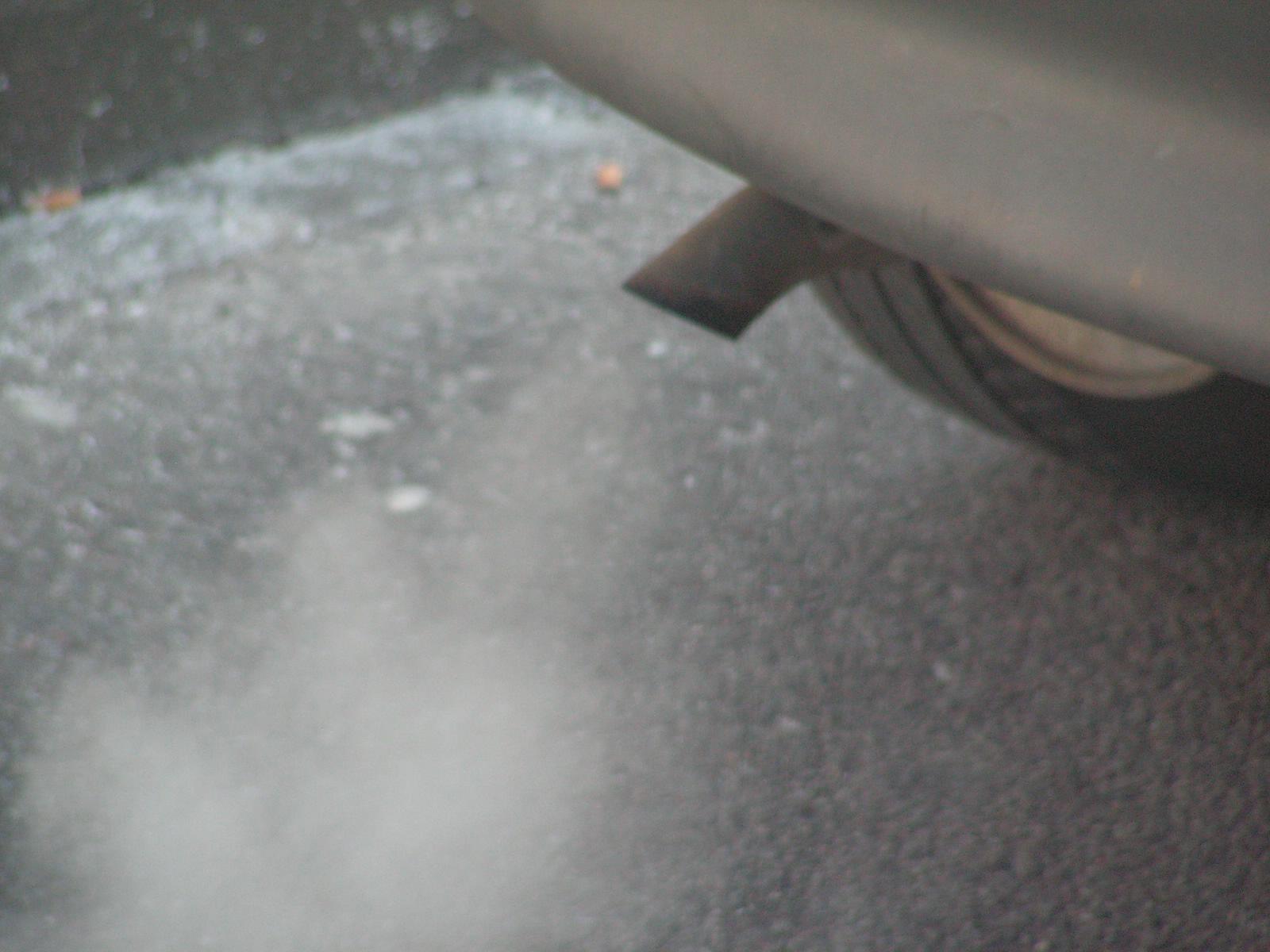
Exhaust-inflated jacks require a single exhaust outlet roughly 3 inches in diameter or smaller to seal properly. If your vehicle runs a true dual-exhaust system — two genuinely separate outlets, not a single pipe that splits cosmetically — an exhaust-only jack won’t inflate correctly unless you buy a single-outlet adapter separately. Two-way models like the ARB X-Jack and ALL-TOP sidestep this entirely with a 12V compressor option, which is worth the price difference if you already know your vehicle has dual exhaust or a large-diameter diesel tailpipe.
Source: manufacturer and retailer product specifications, compiled 2026.
The Real Safety Finding: What the UK’s Product Safety Regulator Found
The UK’s Office for Product Safety and Standards rated a VEVOR-branded “Jack with Air Bag” (model HRQD-3CF-A) a Serious risk of injury in a 2025 report, finding it had no automatic brake and that its handbrake-style release mechanism could be accidentally bumped while someone was underneath the vehicle, causing it to drop — the product failed UK machinery safety regulations and was rejected at the border (UK Office for Product Safety and Standards). That specific model is a different product line from the VEVOR triple-bag air jacks listed above, but the underlying lesson applies to this entire product category regardless of brand: an air jack is a lifting device, not a support device, and no air bag jack — inflated or not — should ever be the only thing holding a vehicle up while someone works underneath it. Use jack stands rated for the vehicle’s weight for any work that requires going under the car.
Ground Stability: Why “Off-Road” Doesn’t Mean “Any Surface”
It’s a real paradox in this product category: air jacks are marketed for soft-terrain recovery, but every credible safety source is consistent that they should only be inflated on hard, level, dry ground — never directly on sand, mud, or a slope. In practice this usually means placing a solid base plate, a piece of plywood, or the recovery tracks many off-roaders already carry under the jack’s footprint before inflating, rather than inflating it directly on the loose surface you’re trying to escape. Never lift on the exhaust pipe itself, the oil pan, transmission pan, or any plastic underbody cladding — the same lifting-point rules that apply to floor jacks apply here too (JACO Superior Products). If you’re comparing this against other lifting and stand equipment for a home shop, see our best under hoist stand and best 10 ton jack stands guides — both cover the support-device side of the equation an air jack doesn’t replace.
Frequently Asked Questions
Will a triple bag air jack work on any vehicle’s exhaust?
Only if the vehicle has a single exhaust outlet roughly 3 inches in diameter or smaller. True dual-exhaust systems need a single-outlet adapter, and large-diameter diesel tailpipes may not seal properly without one. A two-way model with a compressor option sidesteps this entirely.
Is it safe to go under a vehicle supported only by an air jack?
No. Treat an air jack strictly as a lifting tool, the same as a floor jack or bottle jack — never the sole support for any work underneath the vehicle. Use rated jack stands for that. A 2025 UK safety regulator finding on a VEVOR-branded air bag jack specifically flagged this exact risk: a release mechanism that could be bumped and drop the vehicle.
Can I inflate an air jack directly on sand or mud?
Don’t. Despite being marketed for soft-terrain recovery, air jacks should be inflated on a hard, level base — a plate, plywood, or recovery track placed under the jack’s footprint — not directly on the loose surface, to avoid instability and tip-over.
Bottom Line
The ARB Bushranger X-Jack is the strongest overall pick if lift height and build quality matter more than price, while the VEVOR 5-Ton Triple Bag Air Jack is a reasonable budget option for lighter, less frequent recovery use. Whichever you choose, confirm your exhaust outlet is compatible before buying an exhaust-only model, always inflate on hard level ground, and never treat any air jack as a substitute for rated jack stands when you need to work underneath the vehicle.