
A standard manual pallet jack with 48-inch by 27-inch forks and 5,500 lb load capacity typically costs $500 to $800, and fork dimensions matter as much as capacity — forks too wide won’t fit the pallet, and forks too narrow make the load unstable (Linquip, retrieved 2026-08-08). Getting the fork size wrong is a more common mistake than getting the capacity wrong.
This guide covers what capacity and fork size to buy for a manual pallet jack, how standard and heavy-duty models compare, the safety margin worth building into your capacity choice, and when a manual jack still makes more sense than upgrading to electric.
Key Takeaways
- Standard manual pallet jacks handle 2,000–5,500 lbs; heavy-duty versions reach 6,600–11,000+ lbs.
- Standard fork dimensions of 48 in. long by 27 in. wide (outside-to-outside) fit most standard pallets correctly.
- A 48 x 27-inch, 5,500 lb capacity manual jack typically runs $500–$800 new.
- Build in a 10–20% safety margin above your heaviest regular load rather than buying to the exact weight you expect to move.
- Manual units are cheaper and more mechanically reliable than electric; electric units cost more but improve throughput in high-volume settings.
Capacity: Standard vs. Heavy-Duty
Standard manual pallet jacks typically handle 2,000 to 5,500 lbs, which covers most general warehouse and retail pallet loads, while heavy-duty models step up to 6,600 lbs and beyond for denser or bulkier freight (Linquip, retrieved 2026-08-08). Build in a 10–20% safety margin above your heaviest regular load rather than buying exactly to that number — if you commonly move 4,000 lb pallets, a jack rated for at least 5,000 lbs gives working margin for uneven weight distribution and repeated daily use.
Fork Size Matters as Much as Capacity
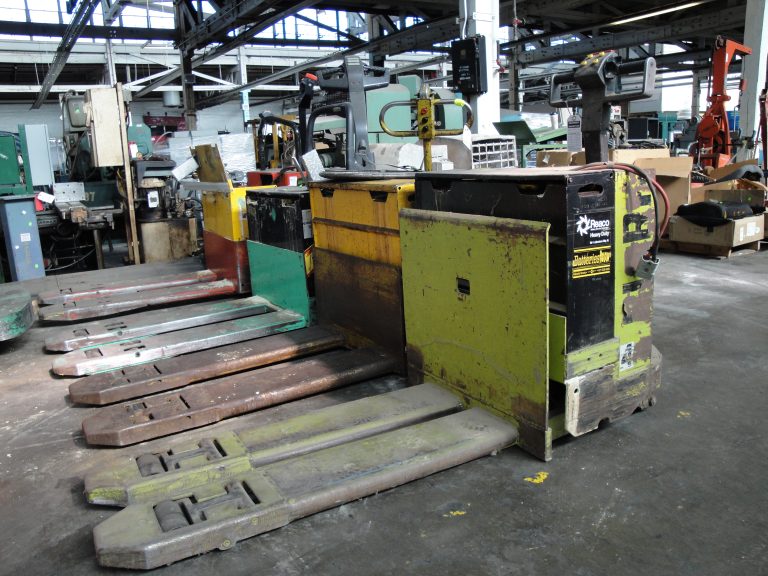
Forks measuring 48 inches long by 27 inches wide, outside-to-outside, fit standard pallets correctly, but fork length and width have to match your specific pallets and aisle width rather than defaulting to the most common size (Linquip, retrieved 2026-08-08). Forks that are too wide simply won’t fit inside the pallet’s stringer openings; forks that are too narrow leave the load unstable and prone to tipping. Measure your actual pallets before ordering rather than assuming the standard size applies.
Manual vs. Electric: When to Upgrade
Manual pallet jacks are cheaper upfront and mechanically simpler, which generally makes them more reliable with less to maintain or charge, while electric units cost considerably more but improve throughput in high-volume settings where operators are moving pallets constantly through a shift. If your volume is occasional to moderate, a manual jack remains the more cost-effective choice; if you’re running near-continuous pallet moves, the electric upgrade pays for itself in reduced operator fatigue and faster cycle times. Our electric pallet jack guide covers that upgrade path, including amp-hour considerations that matter more than voltage alone once you make the switch.
Frequently Asked Questions
What capacity manual pallet jack do I need?
Match capacity to your heaviest regular load plus a 10–20% safety margin. Standard jacks cover 2,000–5,500 lbs; heavy-duty models handle 6,600 lbs and up for denser freight.
What’s the standard pallet jack fork size?
48 inches long by 27 inches wide, outside-to-outside, fits most standard pallets. Measure your actual pallets before ordering, since the wrong fork width causes fitment or stability problems.
Should I buy a manual or electric pallet jack?
Manual is cheaper and simpler for occasional to moderate use. Electric costs more but improves throughput and reduces fatigue in high-volume, continuous-use settings.
The Bottom Line
Match capacity to your heaviest load with a 10–20% safety margin, and confirm fork dimensions against your actual pallets before ordering — both mistakes are more common and more costly than picking the wrong brand. A standard 48×27-inch, 5,500 lb jack covers most general warehouse use for $500–800; step up to heavy-duty capacity only if your freight genuinely runs denser than that. If your volume justifies it, our electric pallet jack guide covers the upgrade path once manual capacity becomes the bottleneck.